
ARCHITECTURE
2025’S LEADERS
Writer
Yana Karnaukhova
As we step into a new turn of time, we continue the tradition of highlighting those who subtly, confidently, and at times boldly reshape the contours of culture. For the second year in a row, we draw attention to the leaders who have shaped the creative landscape of 2025 — designers, artists, architects, and opinion leaders whose ideas serve as both a guide and a source of strength.
This edition is dedicated to those who expand the boundaries of their professions and transform their own paths into a source of inspiration for others. Henri Matisse once said, “Creativity takes courage,” a phrase that feels tailor-made for the figures who define this year.
We remain convinced of the power of creativity — its ability to reflect an era, to inspire, to set direction, and to support us even when the world shifts its rhythm. And it is precisely for this reason that we continue to share the stories of those who make the future more expressive, profound, and deeply human.
Polina Ditsman
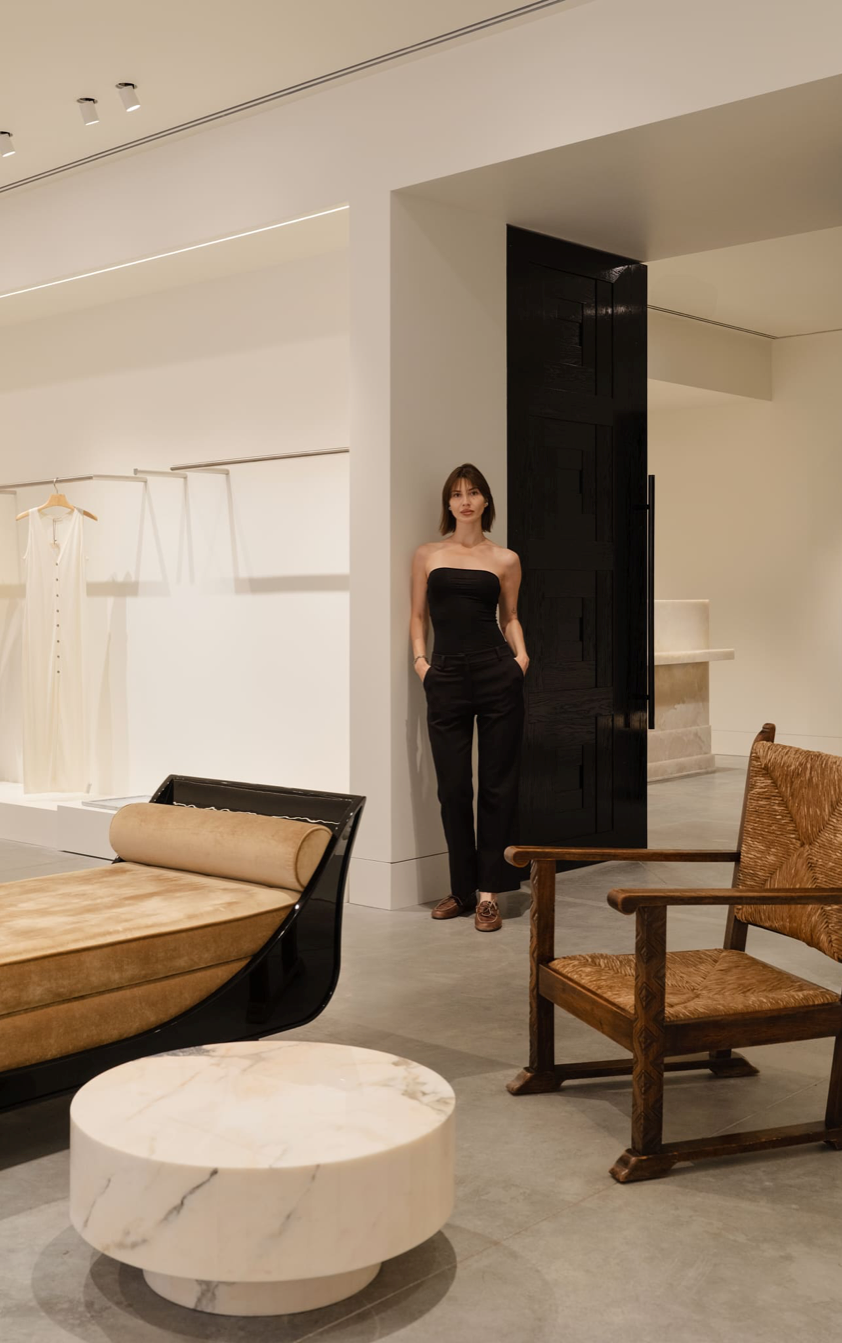
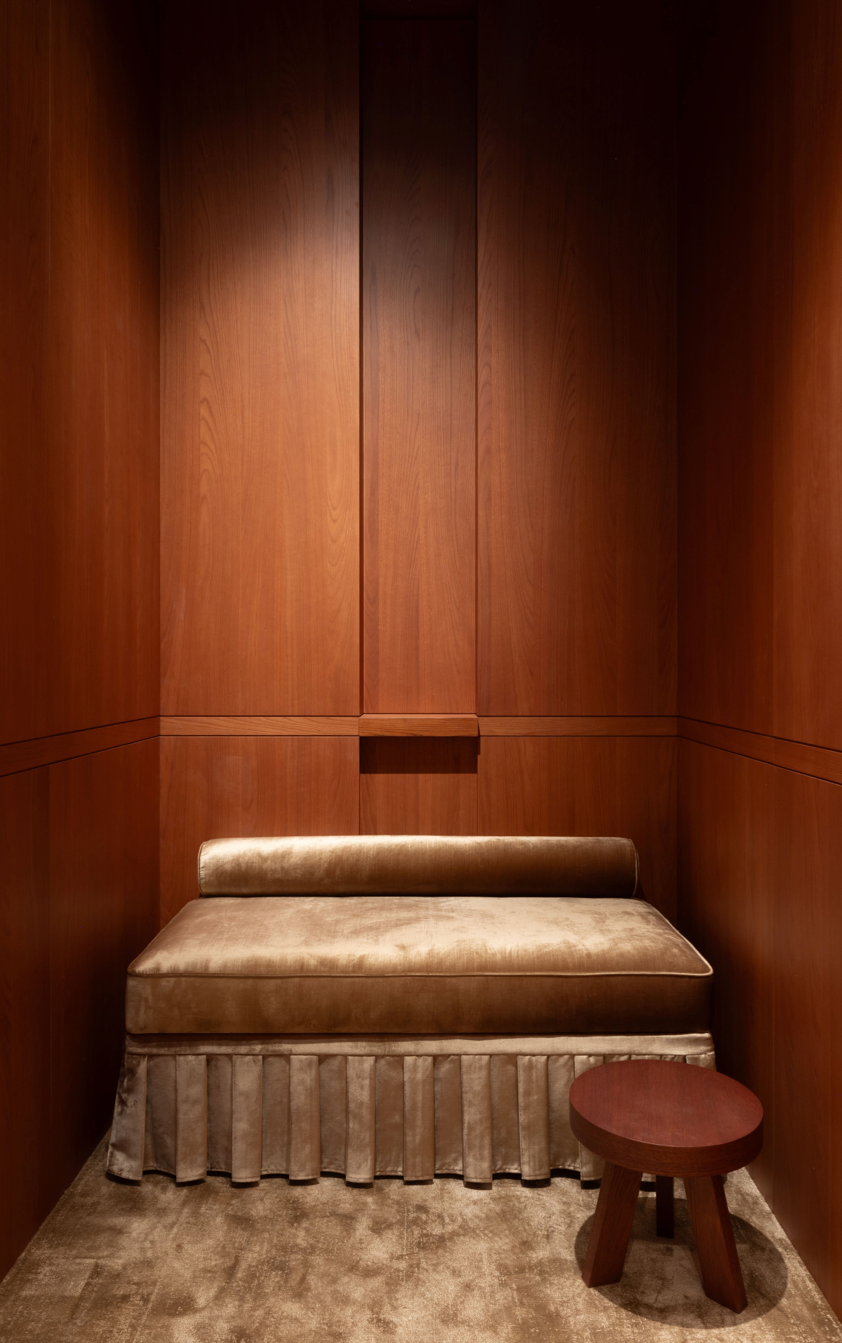
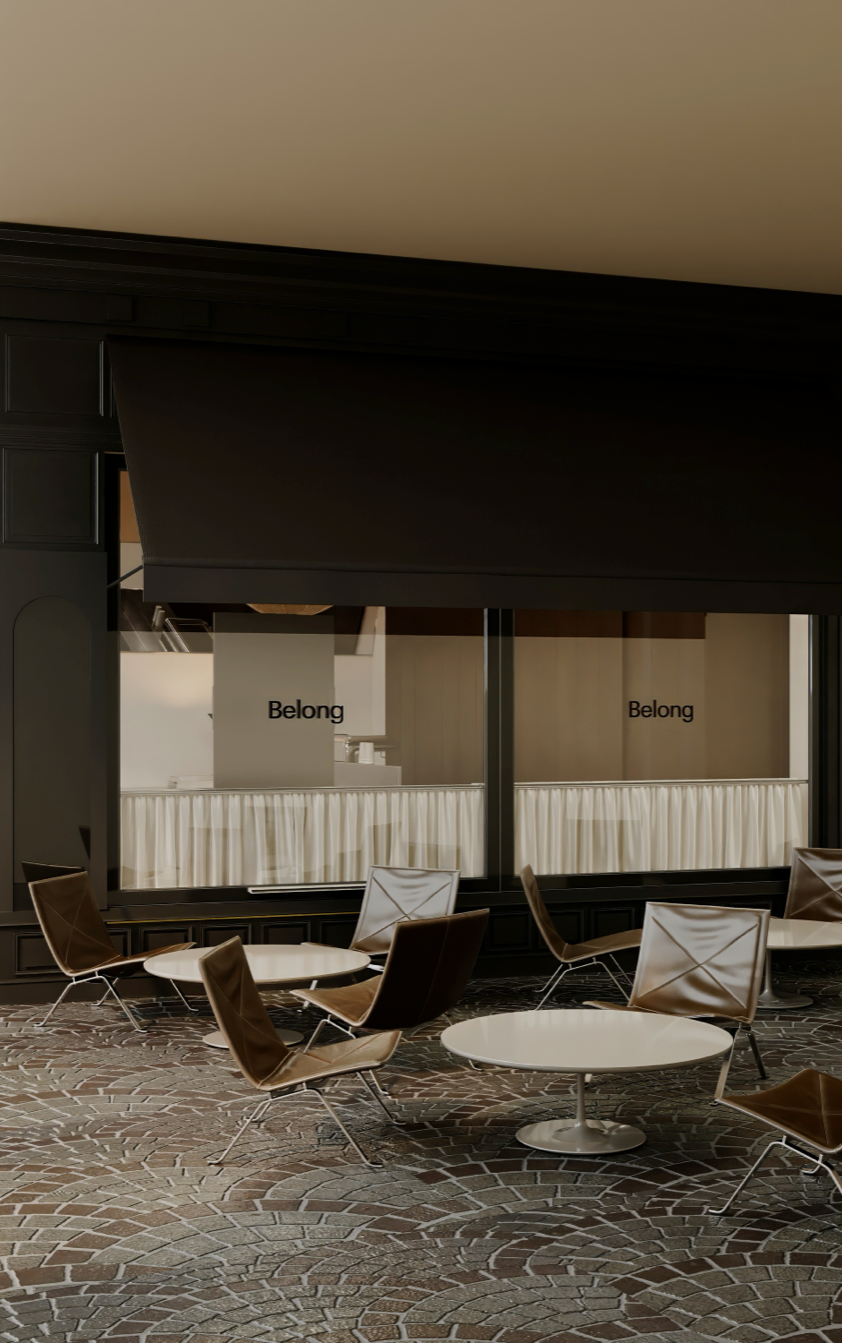
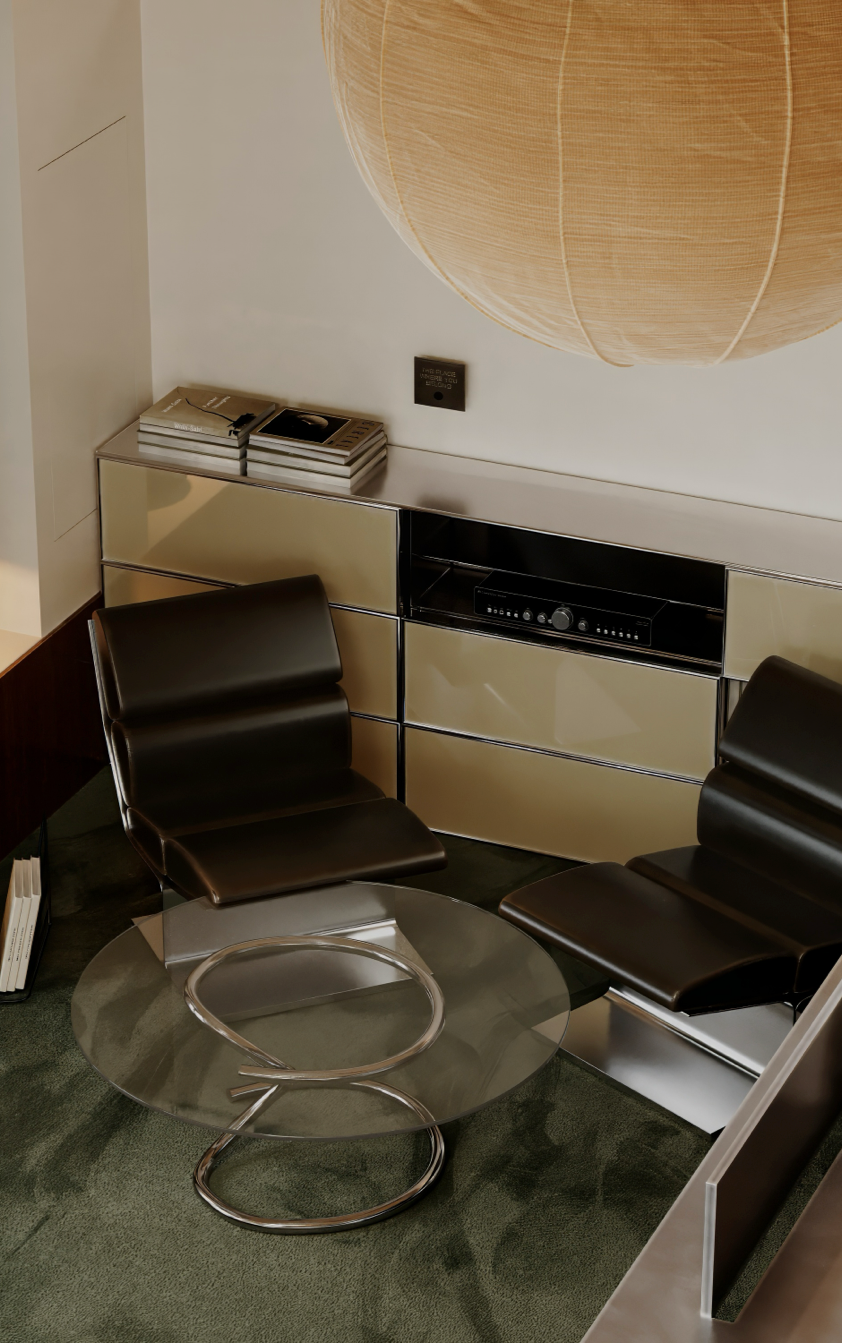
I draw inspiration from travels, museums, exhibitions, films, tactile materials, and old houses. Everything I see, feel, or experience becomes part of my inner collection — something that later transforms into a project.
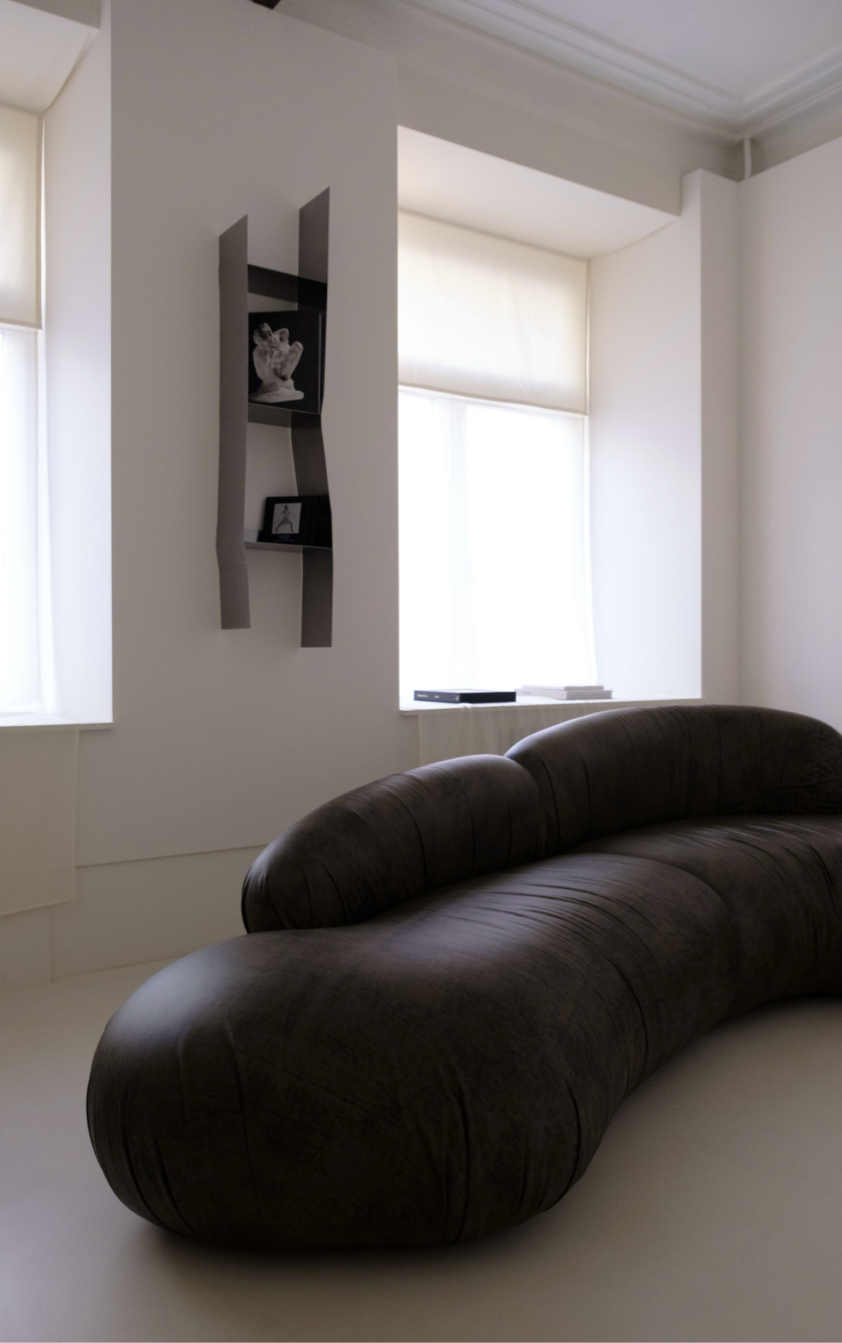
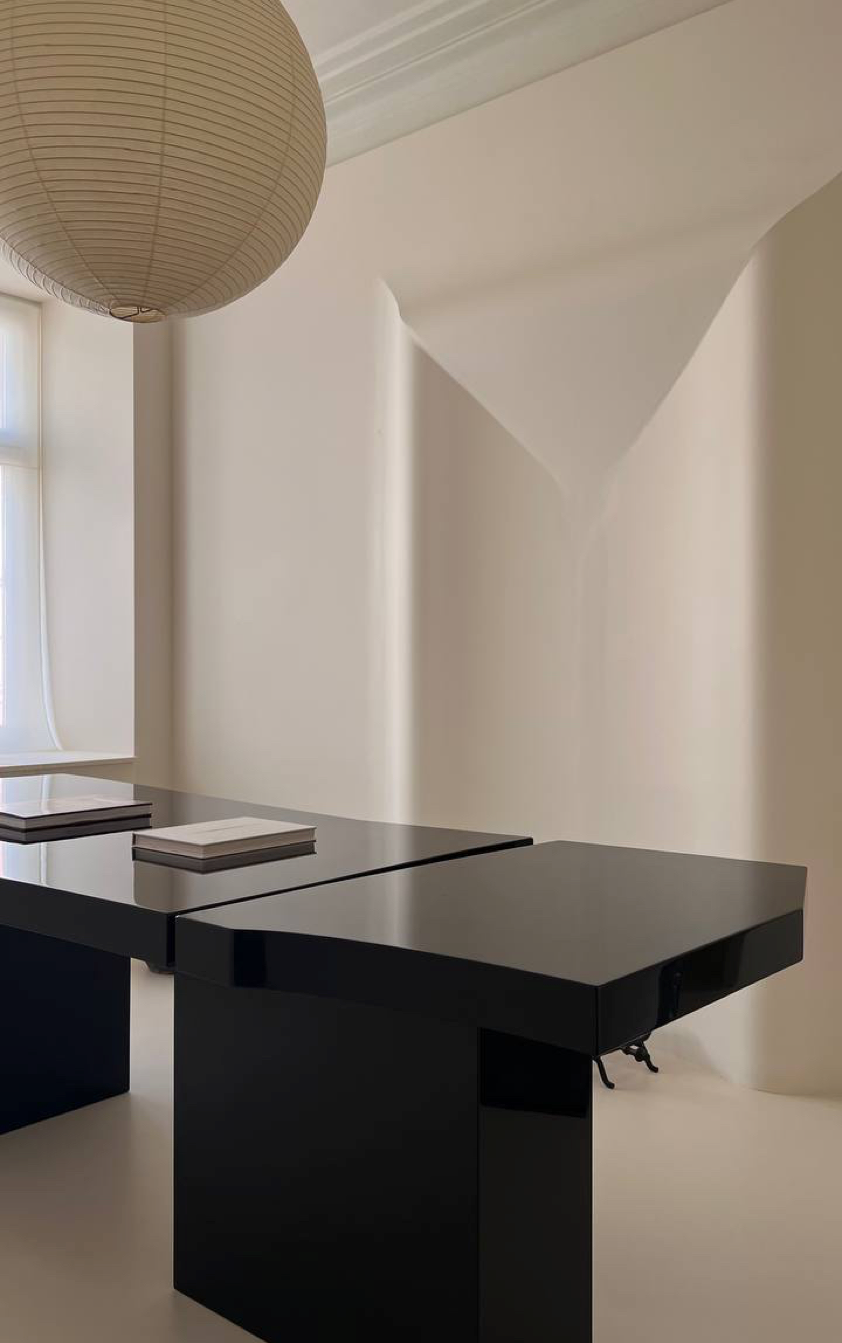
As an interior designer, I always carry impressions with me and integrate them into space. Every new experience — whether it’s a boutique hotel, a museum, a gallery, or even a store — can become the foundation for scenarios of movement and inhabiting. I notice where a person needs a pause to stop, where acceleration and expansion are required, and where intimacy and seclusion emerge. This is how the language is born — the one through which a project begins to speak to a person.
I’m deeply drawn to the idea that space is a living being. It doesn’t merely surround us — it shapes us: it sets rhythm, influences mood, and evokes certain thoughts and emotions. Sometimes, stepping into a house is enough to sense its character. That’s why I believe inspiration can be found everywhere — in hotels, museums, galleries, farms, or old city houses.
I find special inspiration in house-museums. To me, they are like the frozen breath of time, where architecture and life coexist in the same rhythm. In France, I love Villa Savoye and Appartement-Atelier Le Corbusier, Villa Kerylos, La Colombe d’Or, and Villa Les Cèdres.
In Spain — Barcelona Pavilion, Casa Vicens, and Casa Amatller.
In Italy — Villa Necchi Campiglio, Villa Borsani, Casa Mollino, and Villa Palazzetto.
In England — Eltham Palace, The Cosmic House, Dennis Severs’ House, and Sir John Soane’s Museum.
Cinema is another way for me to explore the visual fabric of space. In terms of aesthetics and interiors, I would highlight McQueen (2018), Saint Laurent (2014), and American Psycho (2000).
It’s important not just to see a space, but to live through it — so that later, within a project, it can turn into a story and evoke new sensations.
Arte Vadimovich
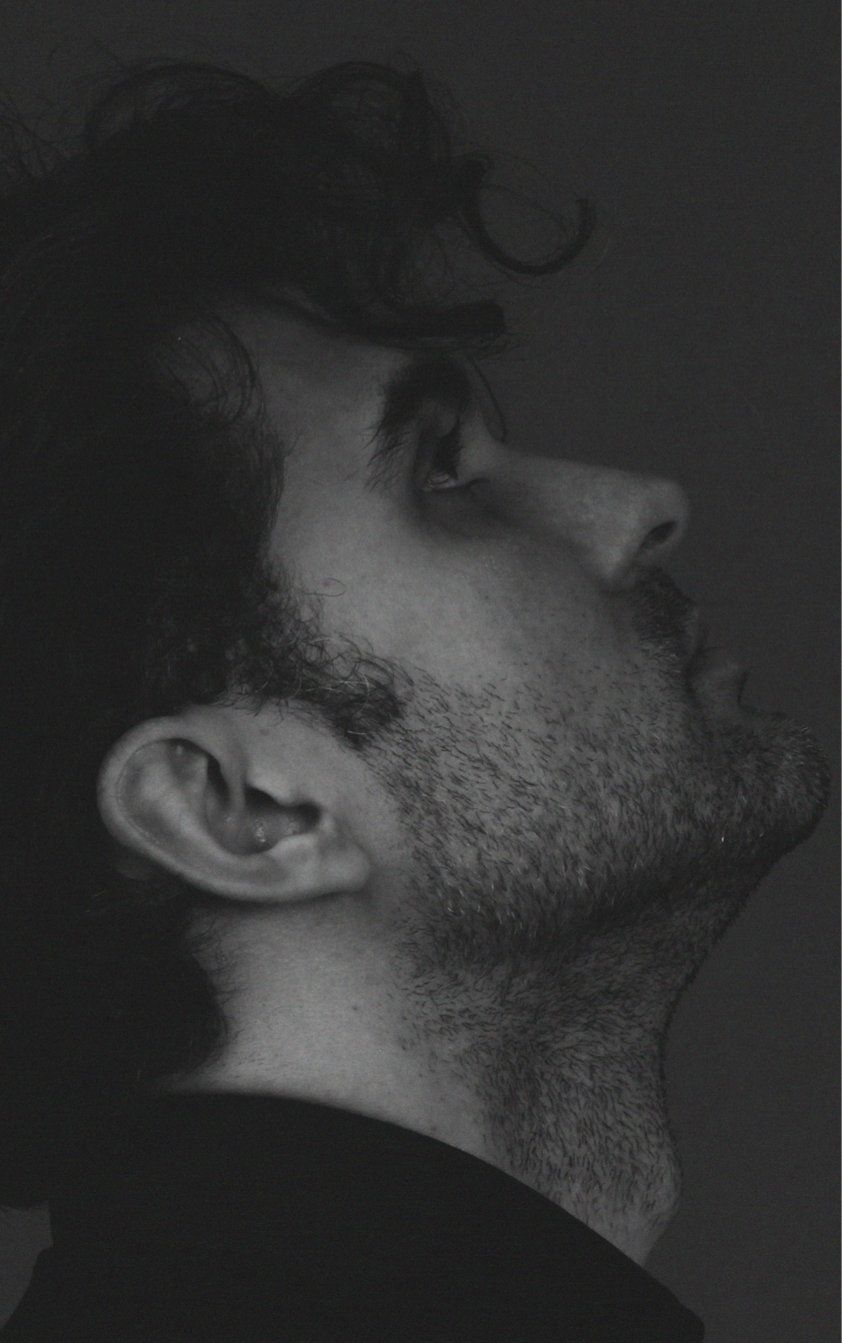
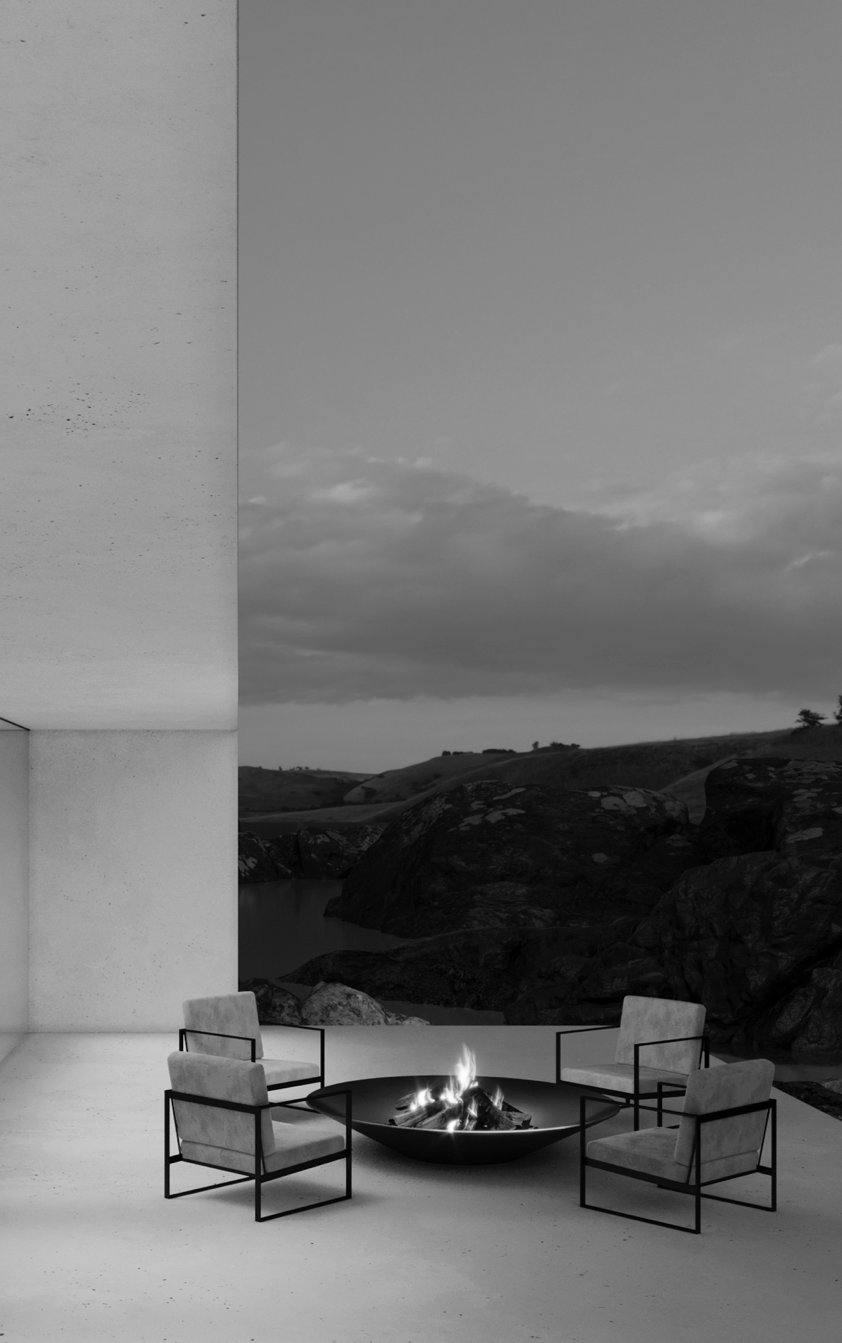
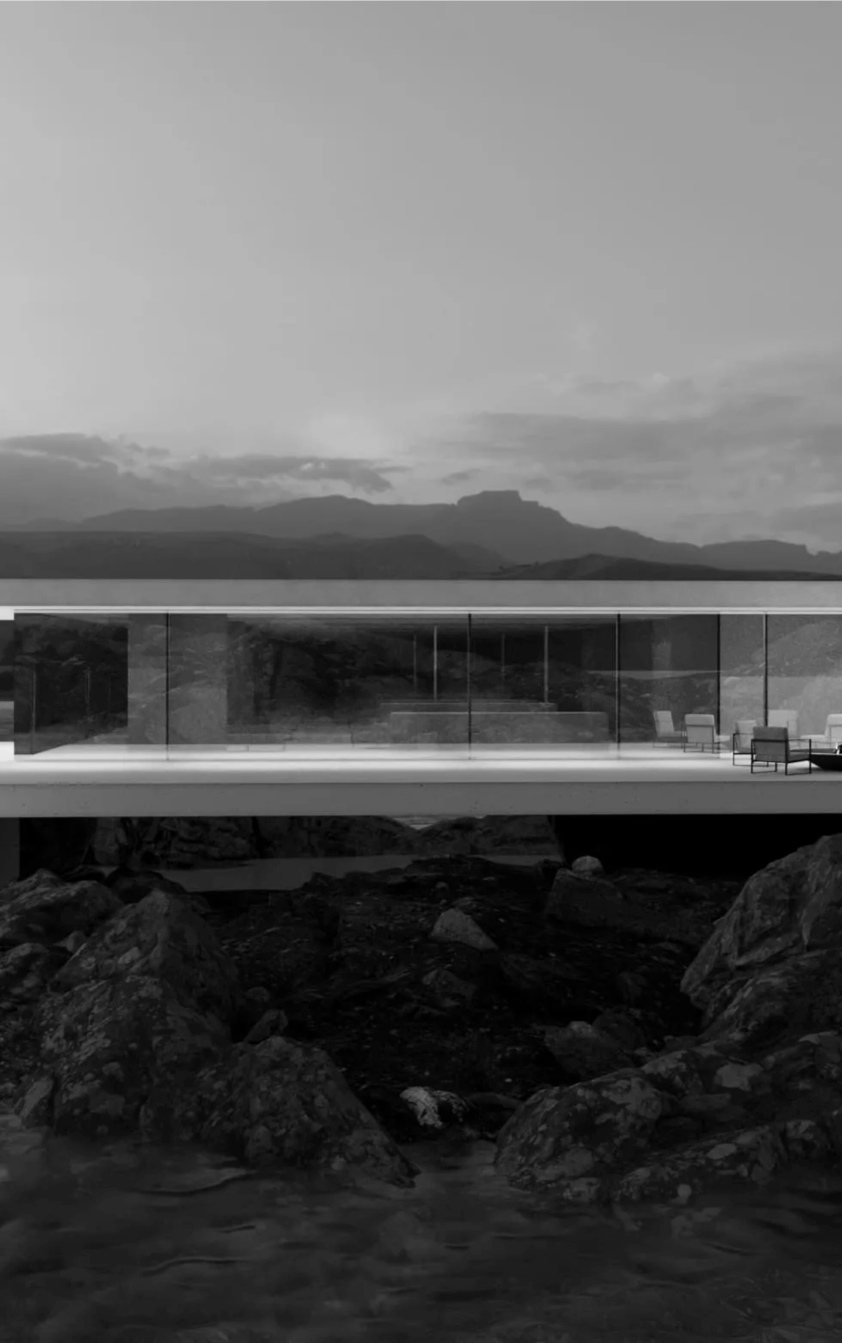
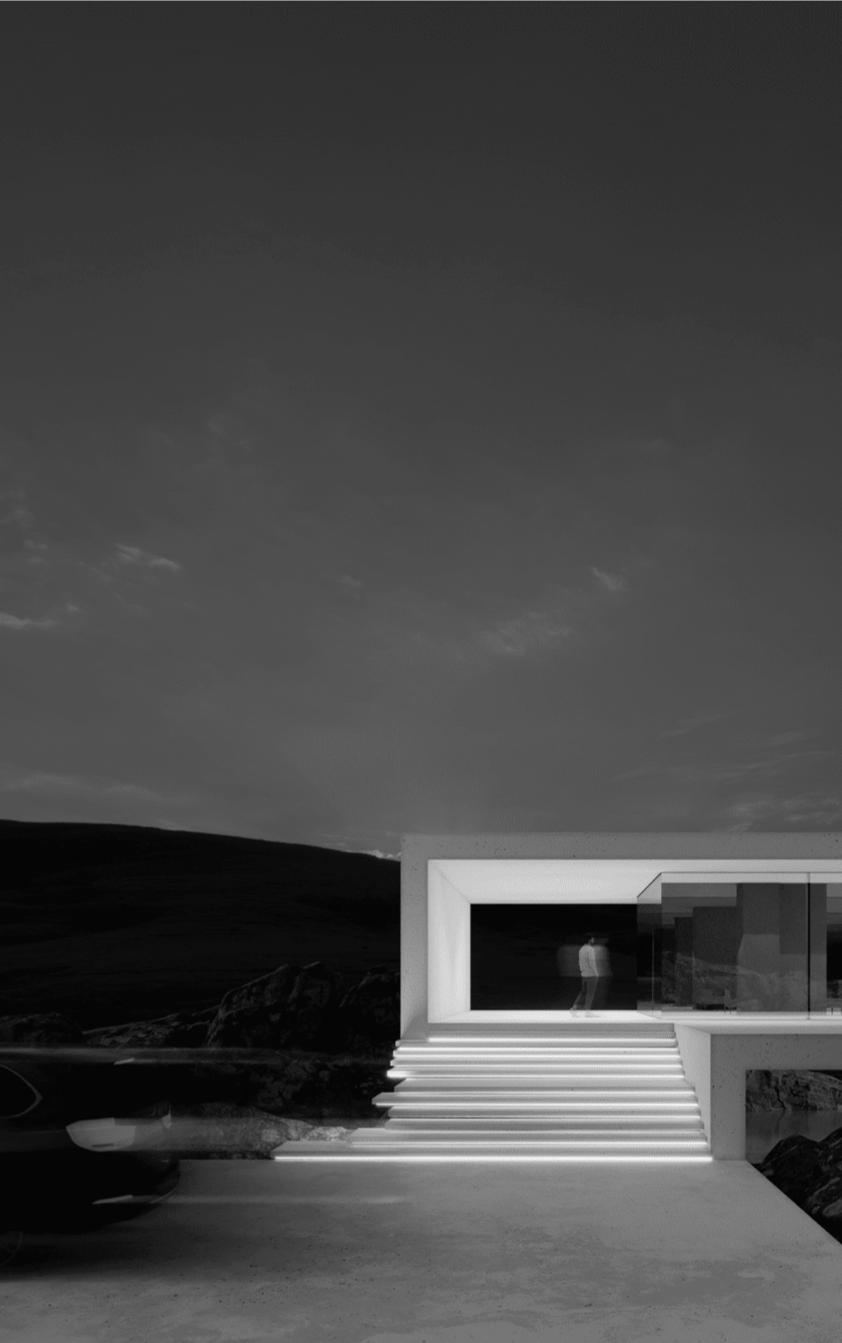
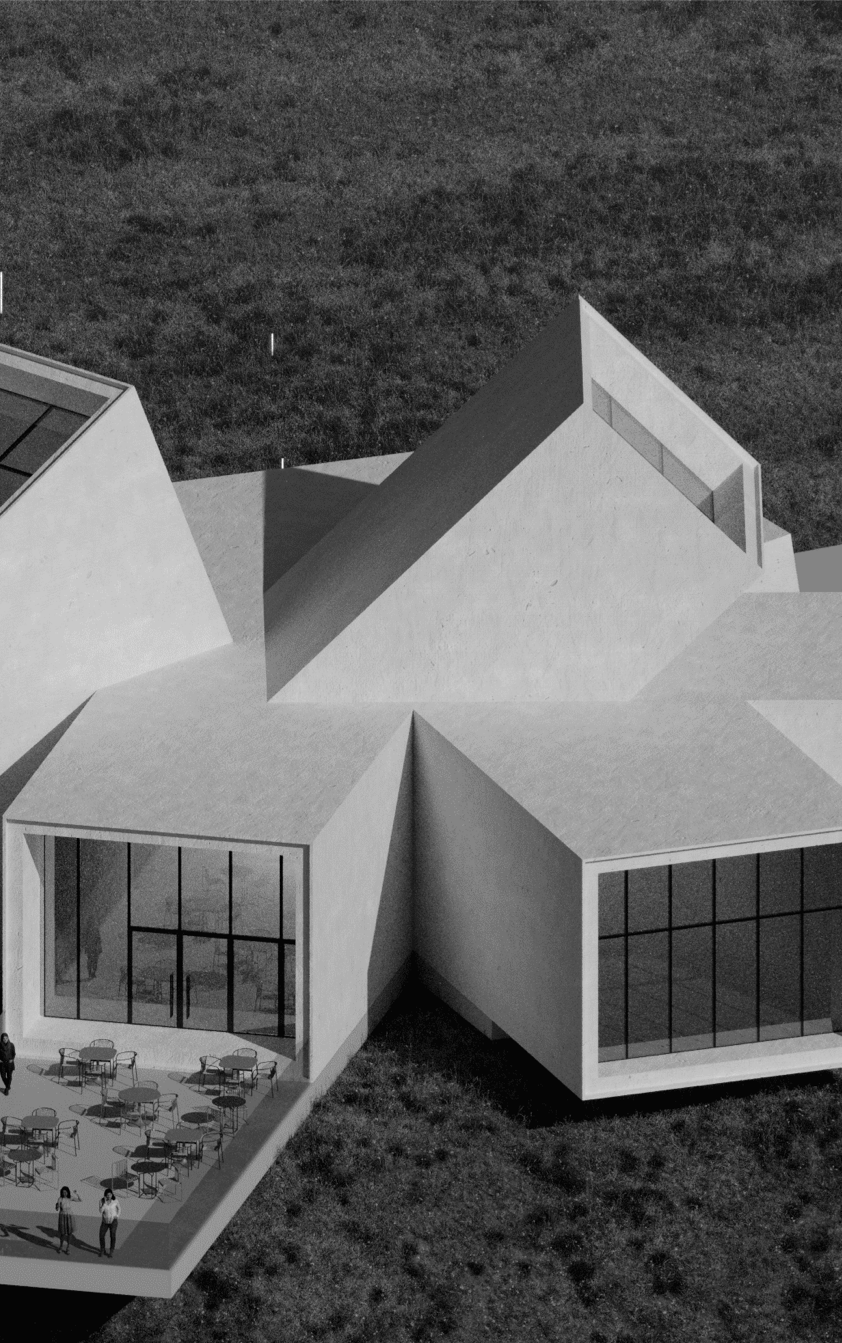
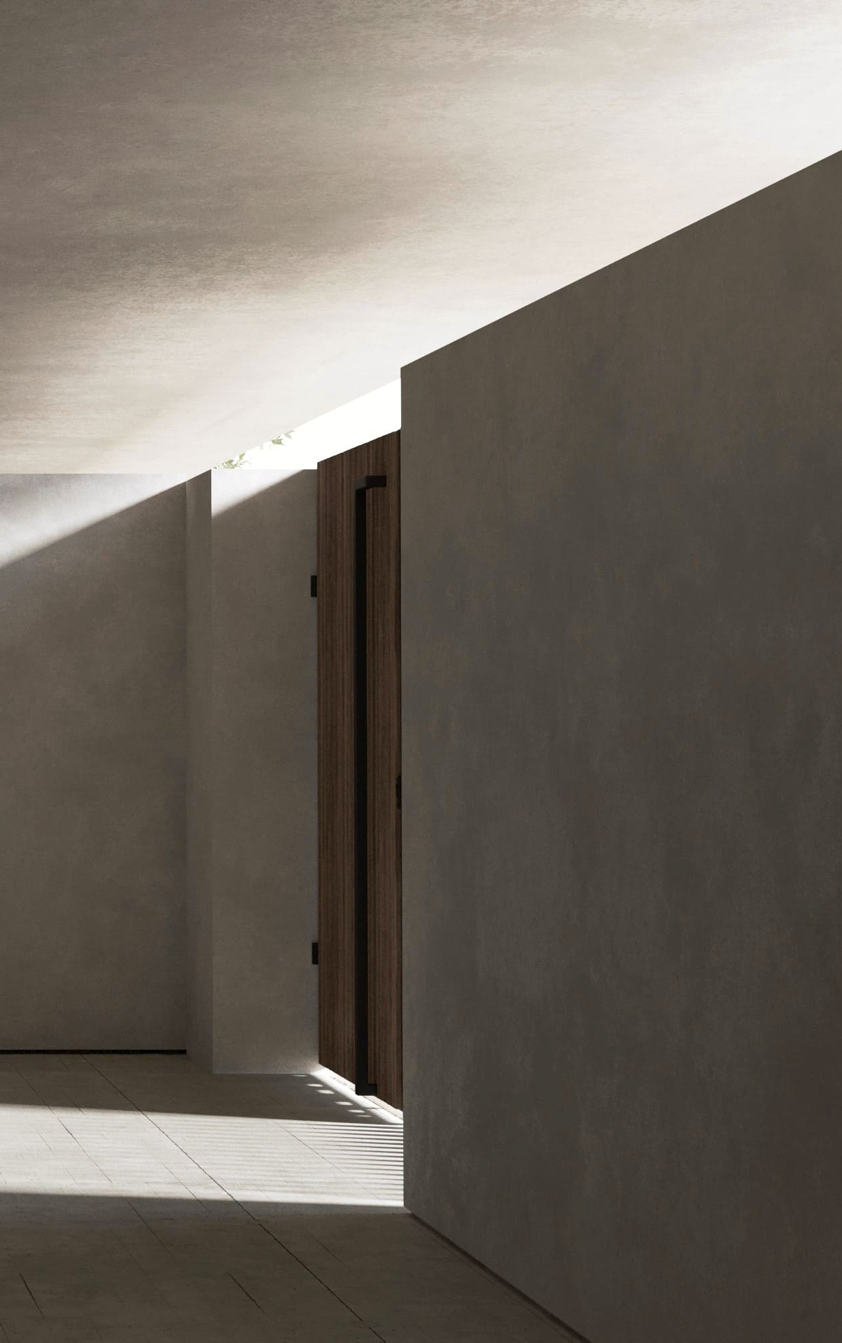
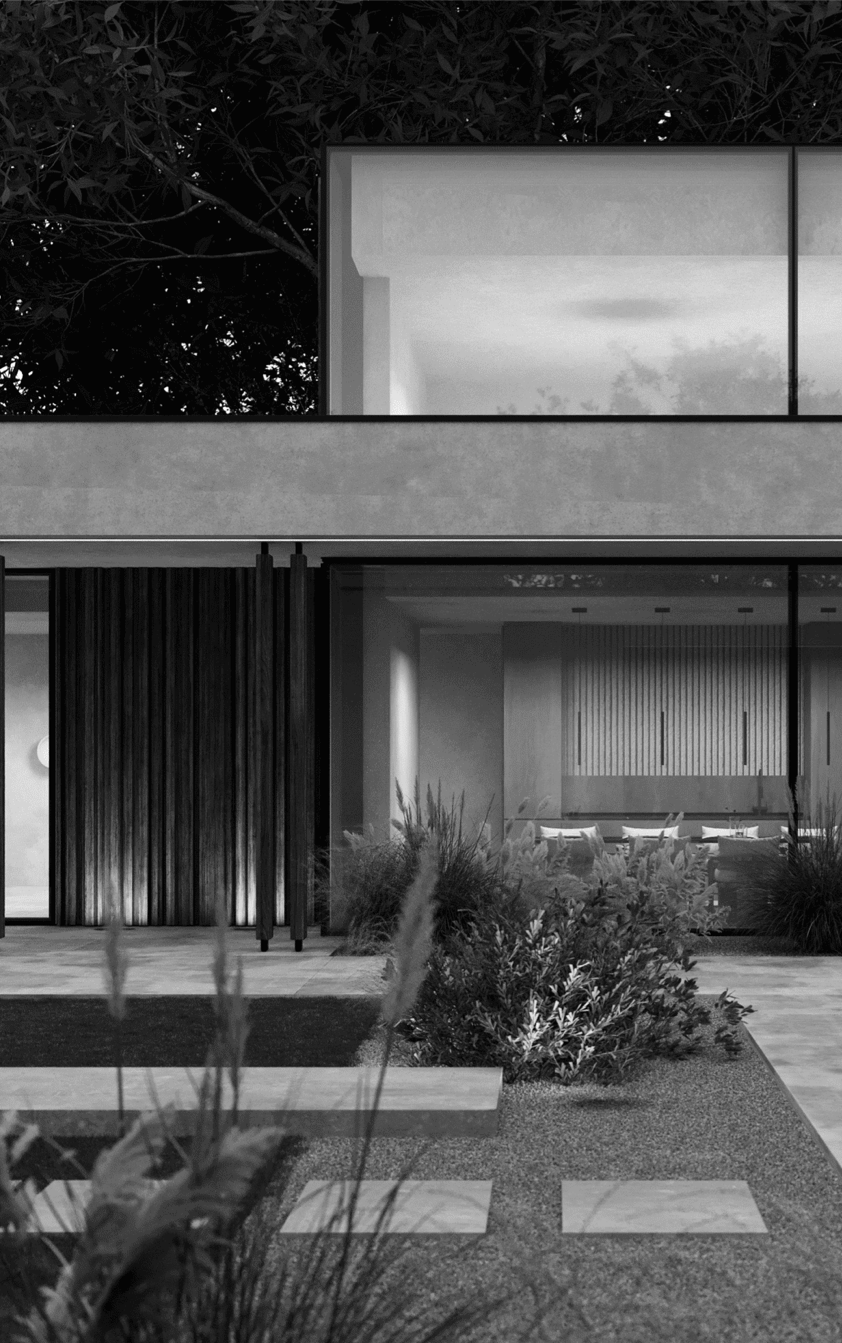
An architect is a researcher — a seeker across all fields. A person who cannot remain indifferent, who is curious by nature, and who strives to leave a trace. It may sound vain, but it’s true: if an architect has no desire for their work to be spoken about, they are likely not a very good architect.
I clearly remember that it was never the shape of buildings that struck me most, but the places themselves — the sites where architecture could exist. Whether it was inflatable modules at the North Pole, mirrored pavilions in deserts, or endless concepts of residential colonies on Mars… All of it can be distilled into one word: autonomy. I still love discovering new places (or inventing them), places that are quiet, remote, where you can hear yourself with particular clarity.
I can say that everything inspires me. But I must highlight Japanese culture — not only its architecture, but its everyday rituals, its reverence for objects and the environment, and its unmatched devotion to one’s craft, discipline, and creativity.
Nature’s elemental forces also have a profound impact on me — they are what make me freeze in awe and, at the same time, want to shout. They never leave me untouched; they push me to create.
The core narrative of our bureau, BUREAU A1, is FORMAT, FORM, CONTENT. Each grows out of the other: function reveals form, form reflects typology (and therefore content), and spatial solutions, materials, textures — they allow us to feel.
For me, an idea is the foundation. It is what allows a project to survive countless adjustments throughout design, approvals, and construction, without losing its uniqueness. Without an idea, there is nothing. As an architect, I grew up with one persistent question: ‘What is the idea?
Alena Rozhdestvenskaya
My work, in many ways, feels like a dialogue of opposites.
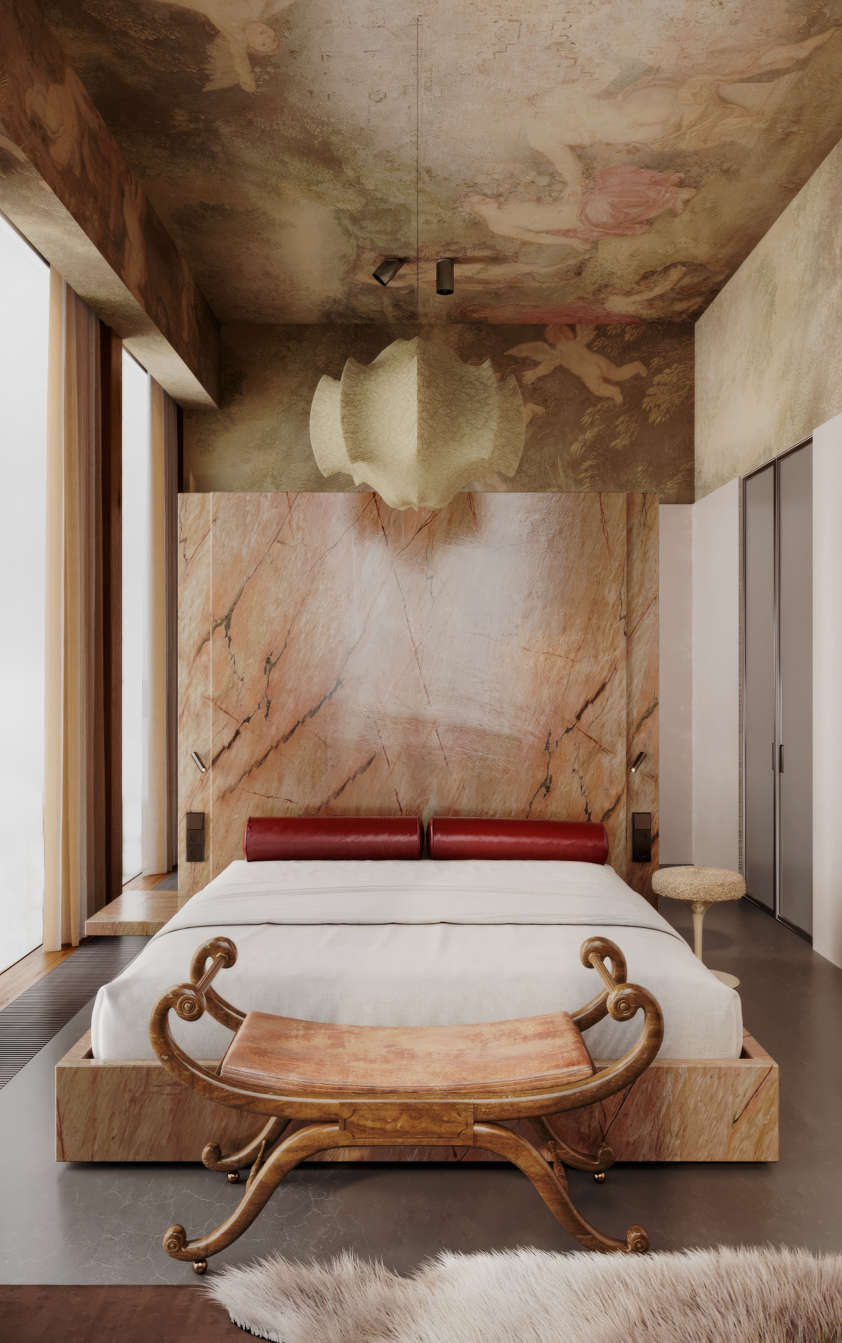
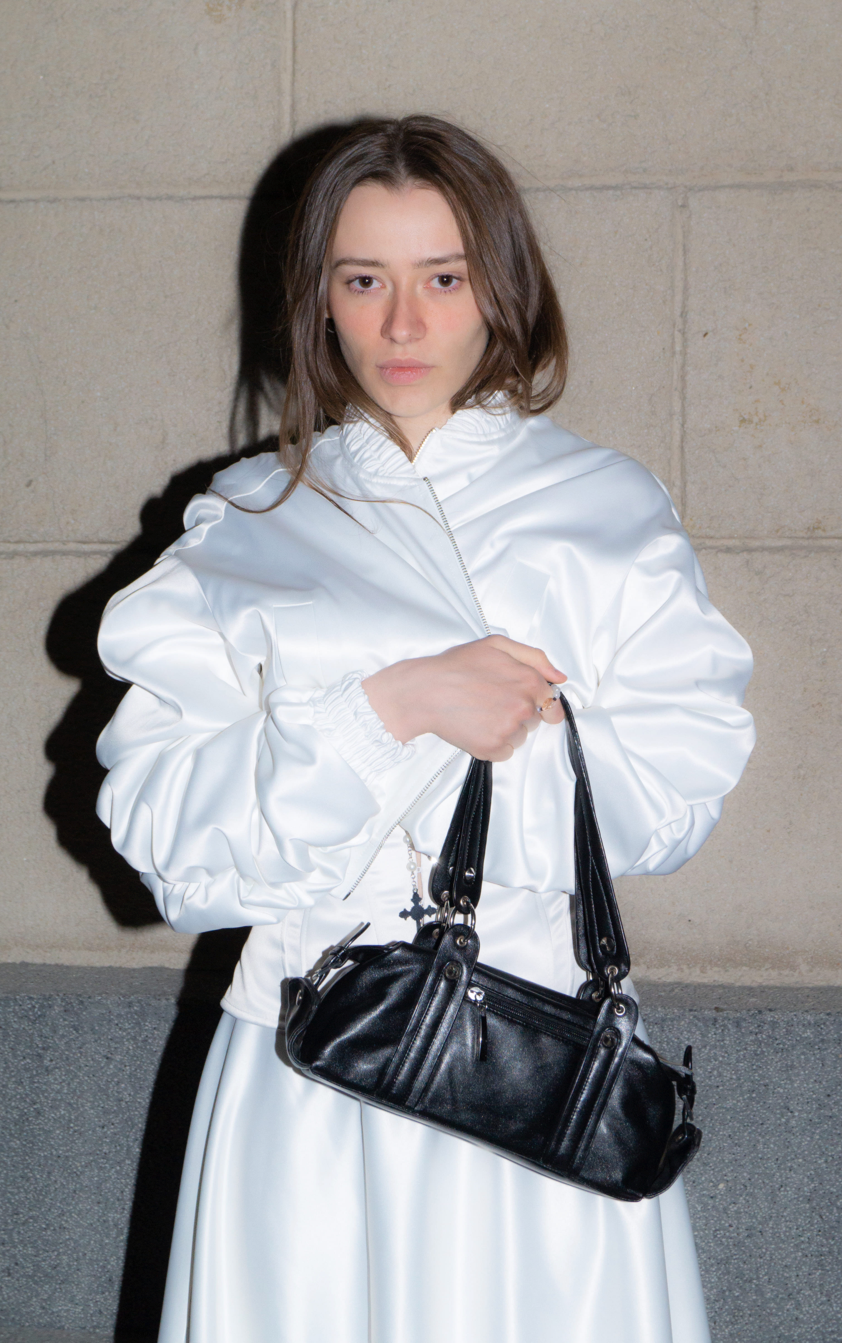
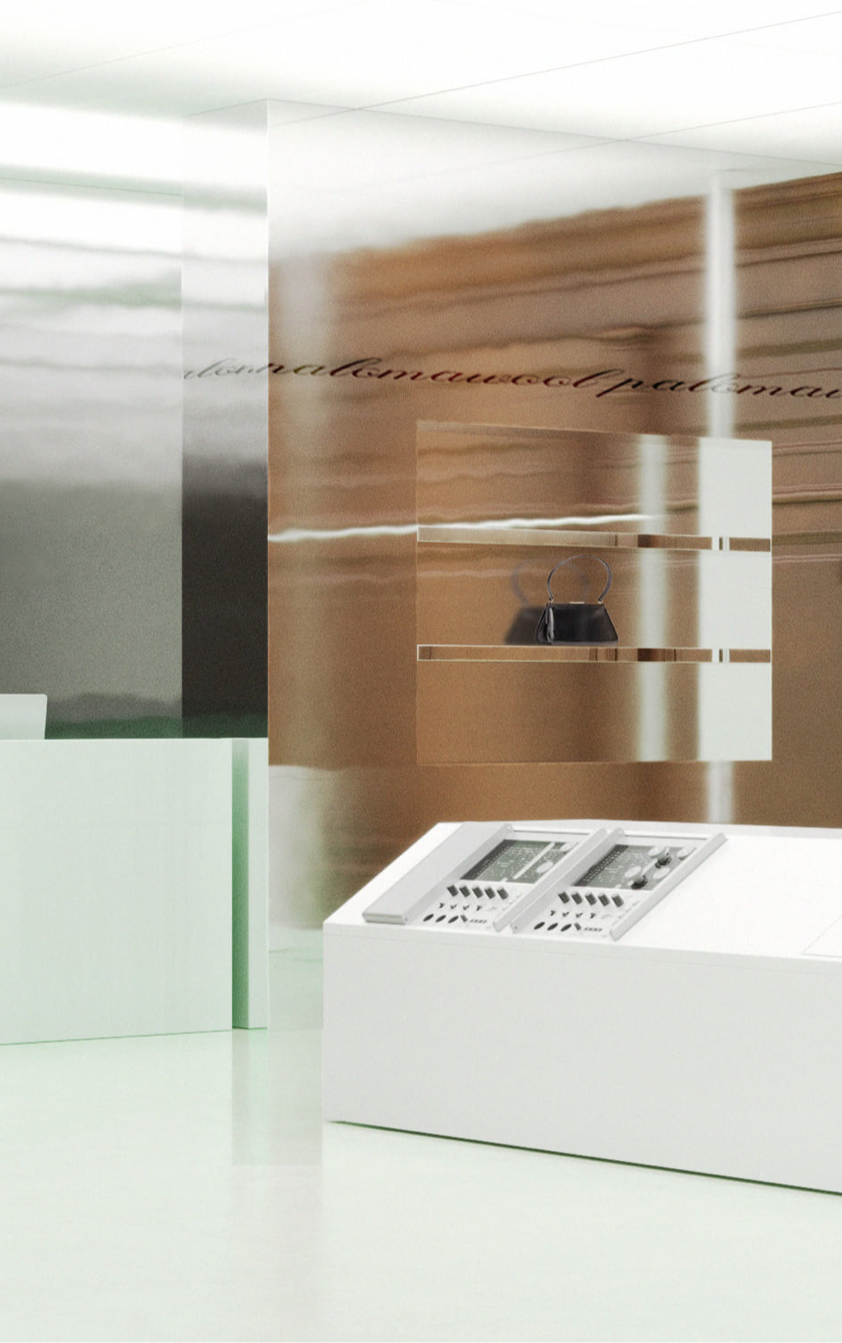
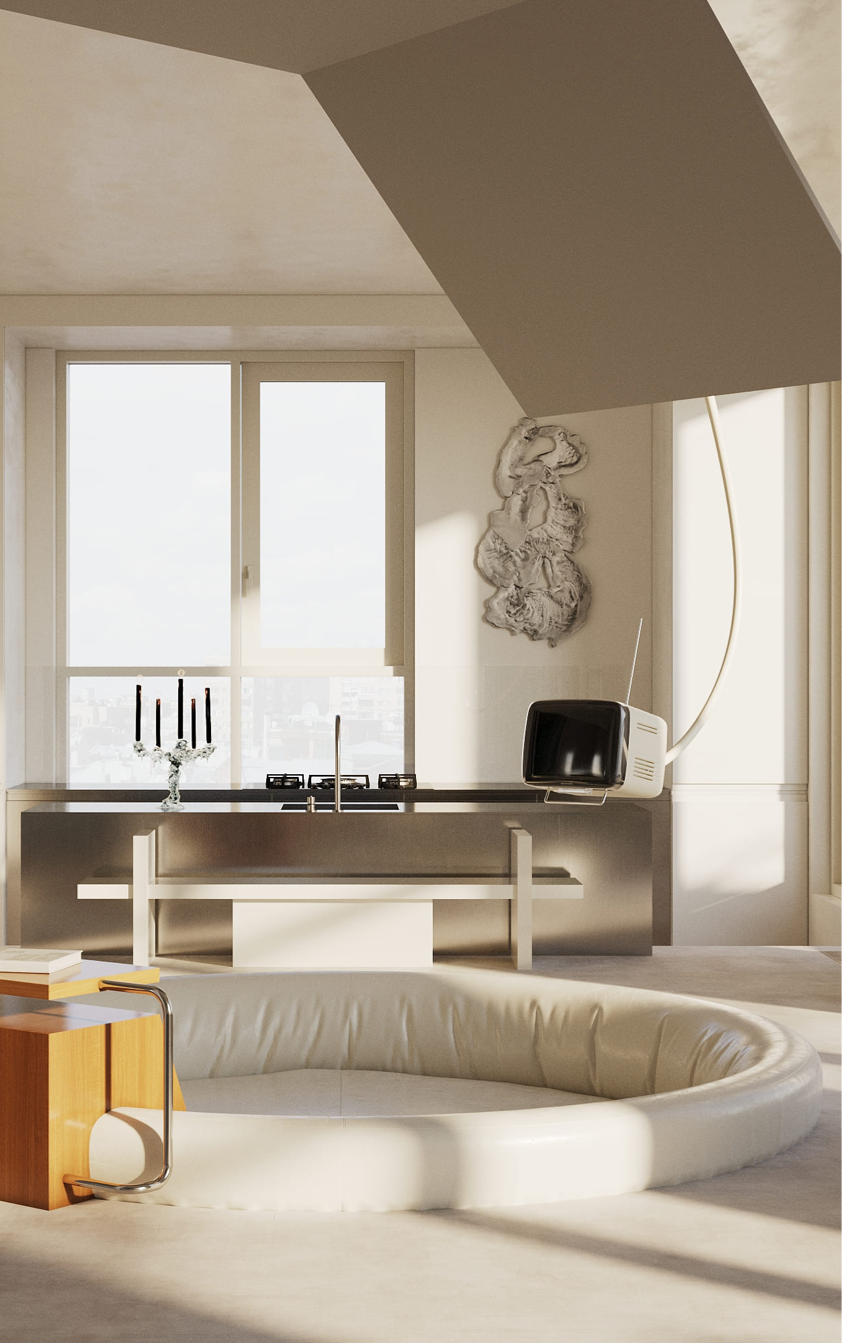
I build spaces through contrast — of eras, forms, and meanings. In every project, it’s essential for me to connect what seems incompatible: classicism and futurism, the spiritual and the technological, fragility and strength. For me, contrast is not merely a design method — it’s a language.
I’m deeply inspired by authentic Italy — its courtyards, arches, and light. That’s where my love for classicism and baroque began. There’s a sense of eternity in them.
Yet alongside this, there is always the energy of the present — retro-futurism, athletic dynamism, echoes of cybersport. I’m drawn to the aesthetics of sports cars: their lines, details, and structural precision that emphasize individuality.
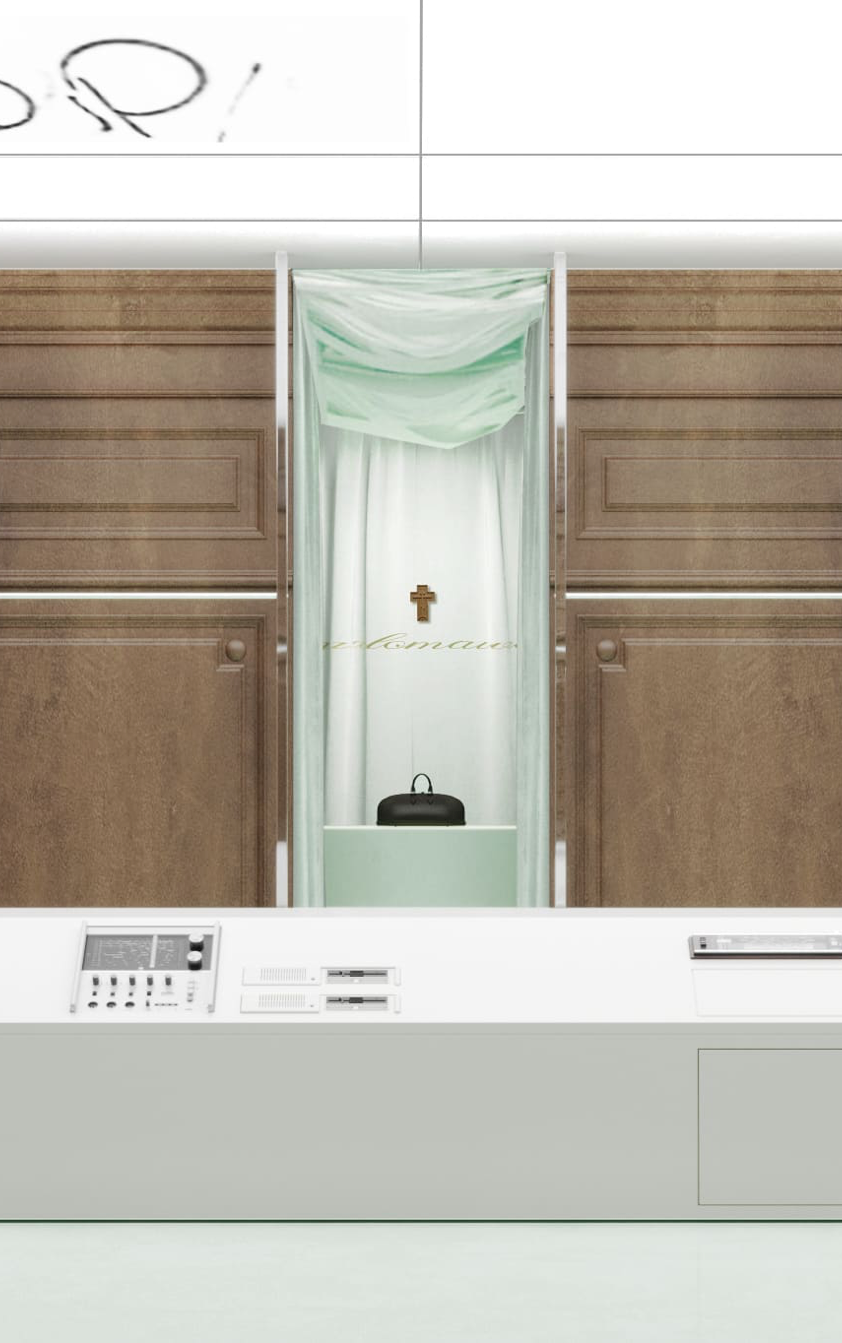
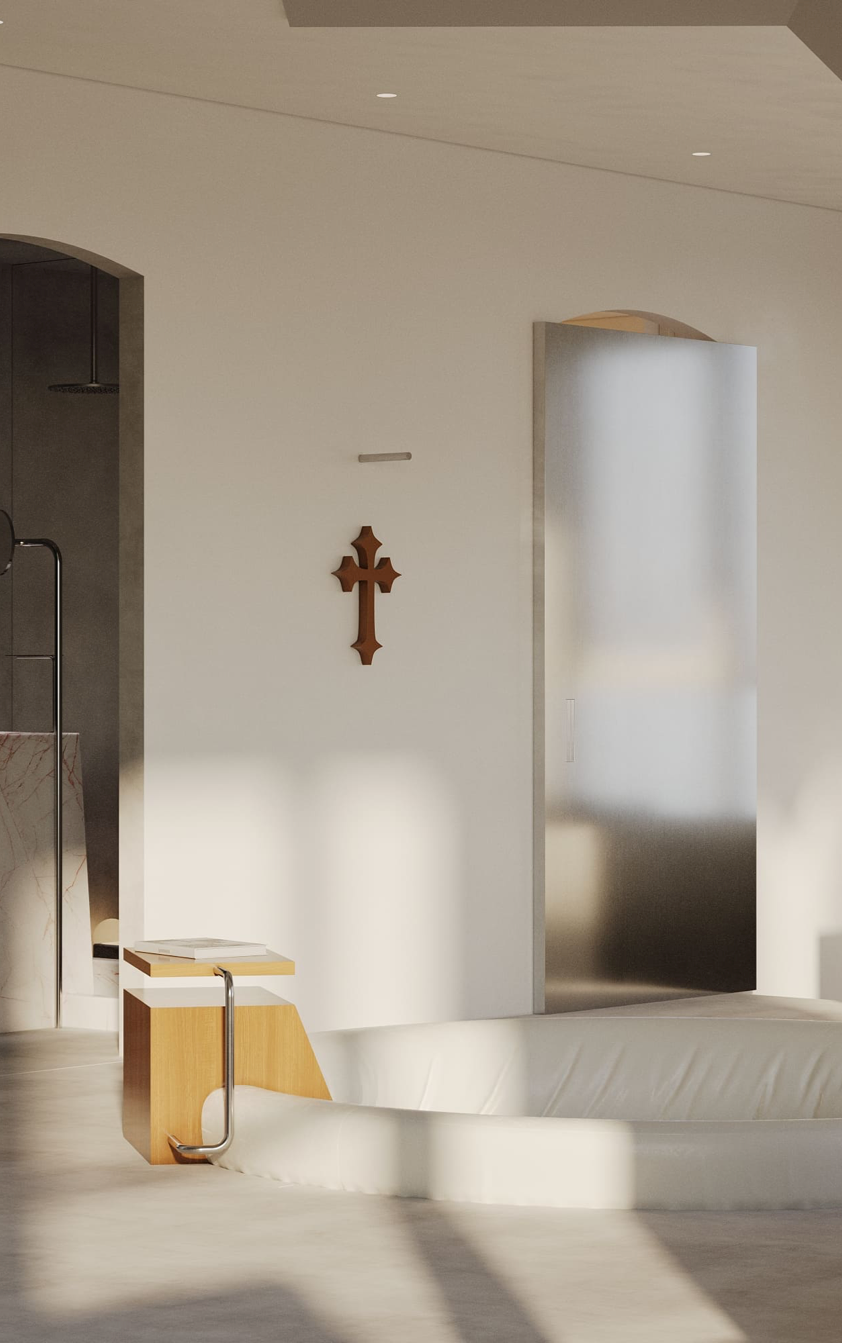
Sometimes sacred symbols appear in my projects.
It’s not irony — I come from a religious family. Rather, it’s a personal reference to childhood, to warm and familiar imagery. I believe the cross is a beautiful, powerful form — especially when juxtaposed with something ultramodern.
I’m fascinated by unconventional spatial narratives — places where a person can lose their bearings, search for a path, where the interior seems to play with them.
I love when a space is unpredictable: where routes unfold around mysterious volumes, mirrors create illusions, and the visitor becomes part of the performance.
Ordinary, predictable solutions are not my story.
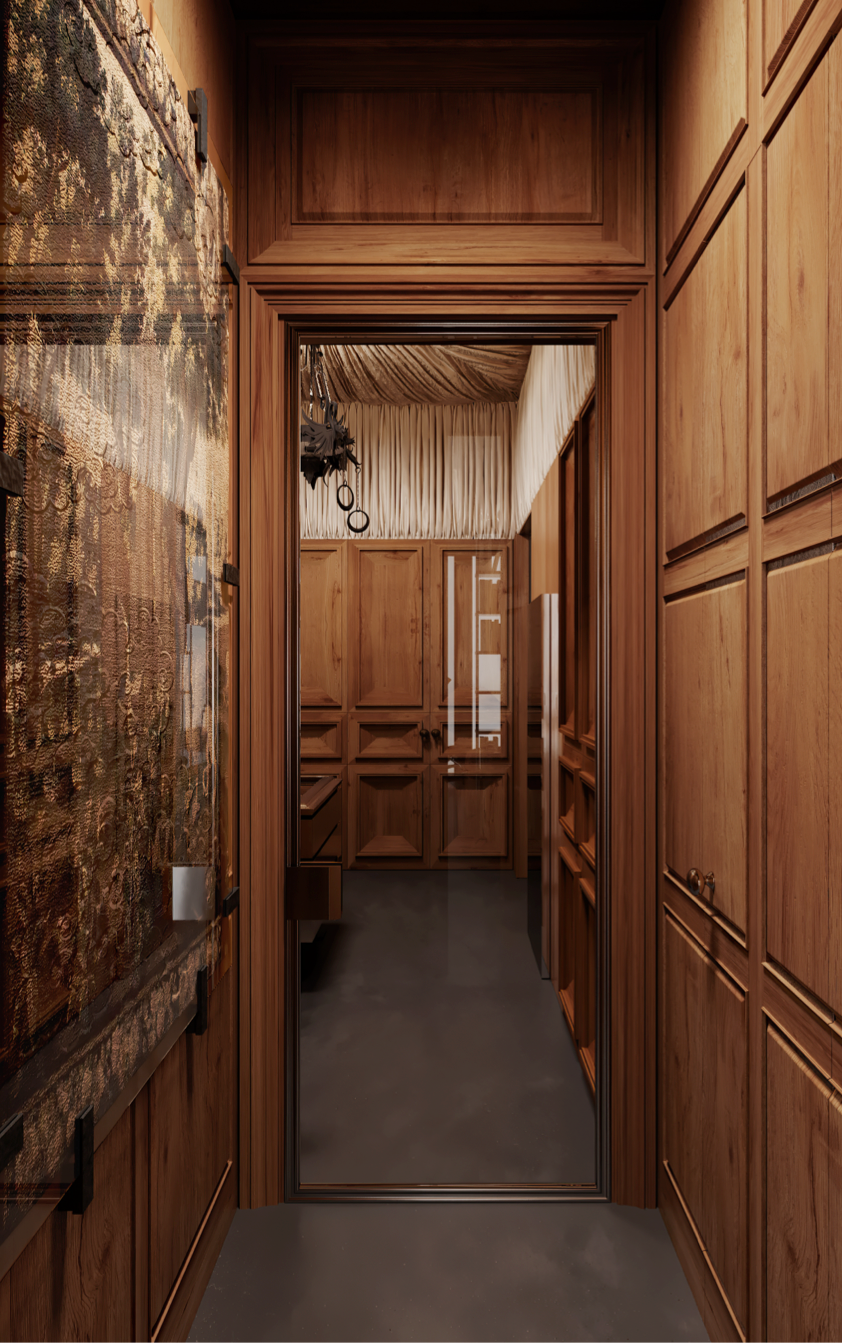
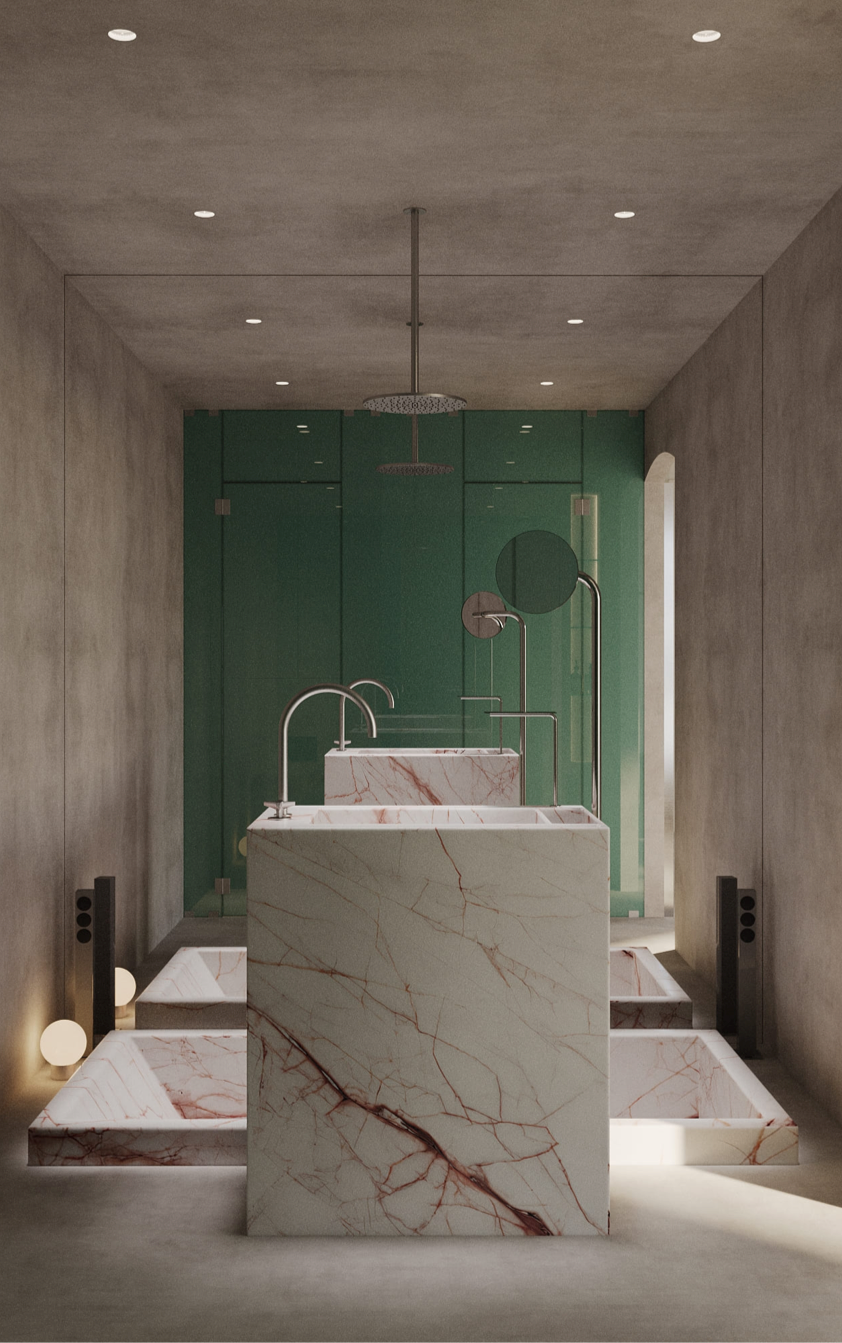
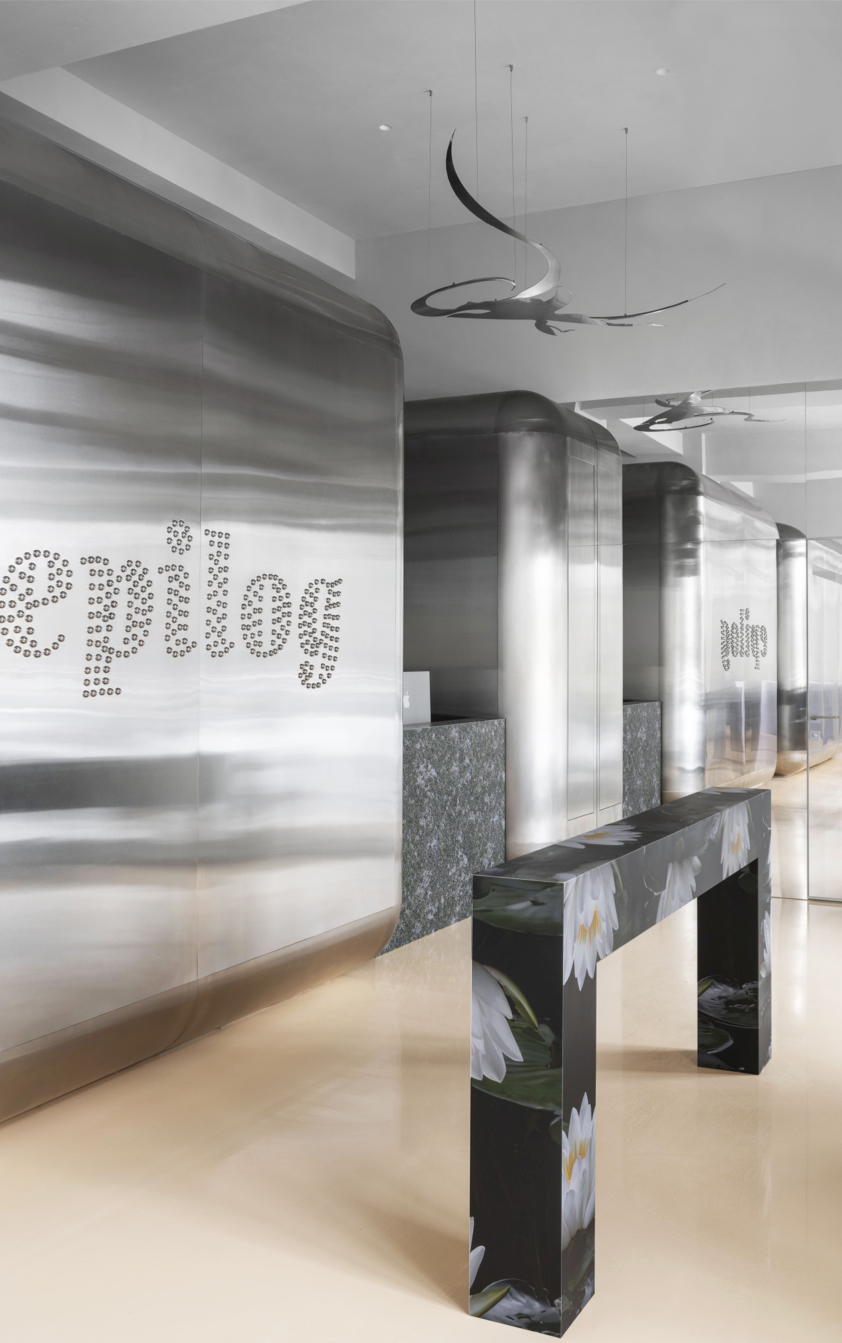
I’m drawn to interiors built on the interplay of raw and refined surfaces.
Fashion also inspires me — its rhythm, speed, and ever-changing nature. In it, I find new visual metaphors. Fabric, fur, color — all can be reimagined and integrated into architecture.
I tend to favor uniform walls and floors — a kind of foundation that feels like a blank canvas, where complex compositions can emerge.
In one project, for instance, a marble bathroom features metallic inserts — a personal reference to the details of a racing car.
At this stage of my creative path, I’m searching for something new — my own language. I tire quickly of the familiar, which is why I keep experimenting.
I create interiors that differ from one another — in style, in logic, in rhythm.
This is my way of exploring.
Right now, it’s a period of creative searching — and I embrace it.
In the world of architecture, we continue to seek those who can hear space as sensitively as a musician hears the pause between notes. Those who can transform emptiness into form, light into material, and an idea into the living fabric of a city. Their projects do more than fill the map of the world — they create new routes for our thoughts, emotions, and aspirations.
Architects are the people who work with the future as confidently as they work with concrete and glass. They set the rhythm of streets, draw horizons, and shape the silhouettes by which cities are remembered. And each of their projects is an invitation to live more consciously, to see more broadly, to feel more deeply.
May the new year be a time when we listen even more attentively to their voice — the voice of those who build not only structures, but opportunities. Those who create spaces where dialogue, creativity, and community are born. Those who make our surroundings not just functional, but meaningful and beautiful.
Let us support, celebrate, and draw inspiration from those who shape the architectural language of our time.