
DESIGN
2025’S LEADERS
Writer
Yana Karnaukhova
As we step into a new turn of time, we continue the tradition of highlighting those who subtly, confidently, and at times boldly reshape the contours of culture. For the second year in a row, we draw attention to the leaders who have shaped the creative landscape of 2025 — designers, artists, architects, and opinion leaders whose ideas serve as both a guide and a source of strength.
This edition is dedicated to those who expand the boundaries of their professions and transform their own paths into a source of inspiration for others. Henri Matisse once said, “Creativity takes courage,” a phrase that feels tailor-made for the figures who define this year.
We remain convinced of the power of creativity — its ability to reflect an era, to inspire, to set direction, and to support us even when the world shifts its rhythm. And it is precisely for this reason that we continue to share the stories of those who make the future more expressive, profound, and deeply human.
Evgenia Zhamsaranova
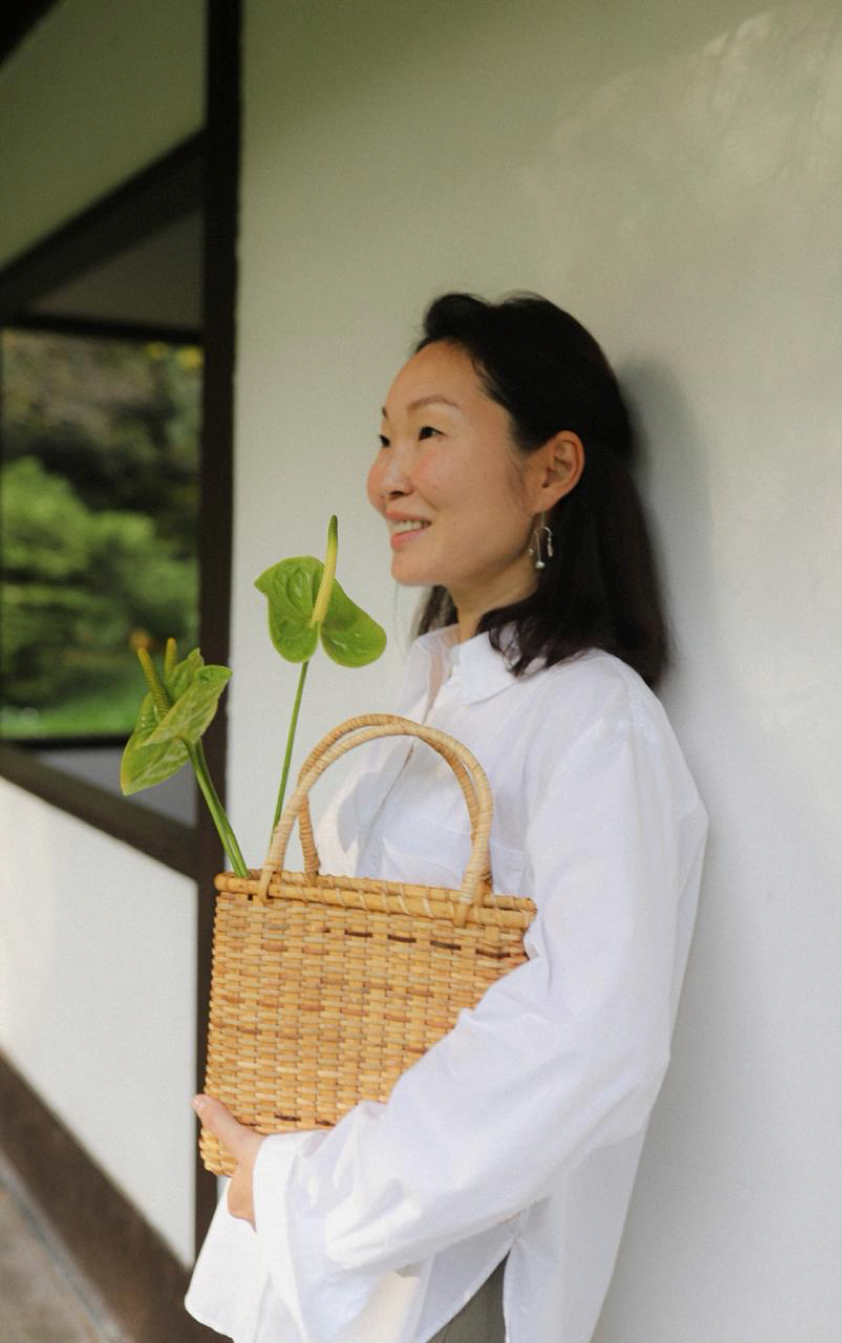
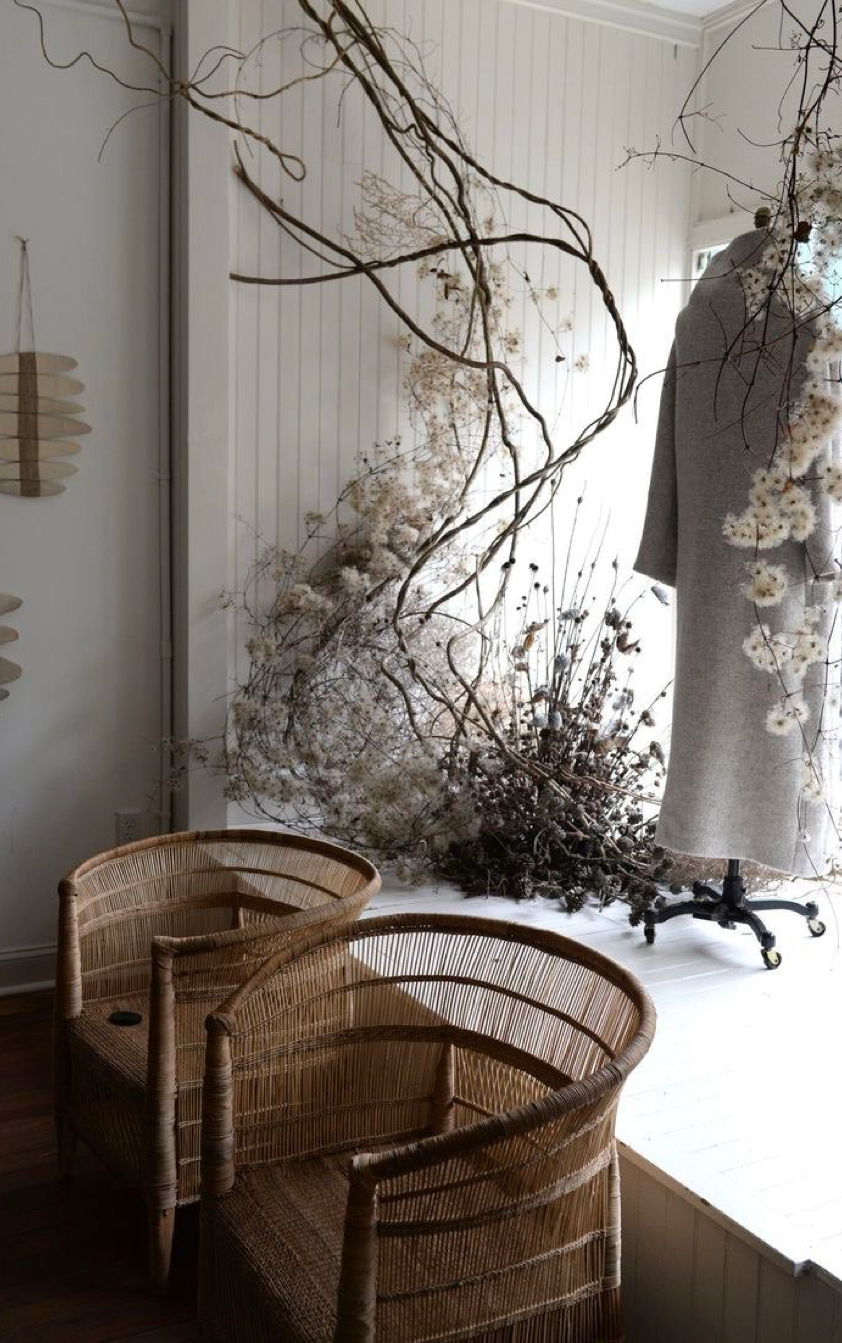
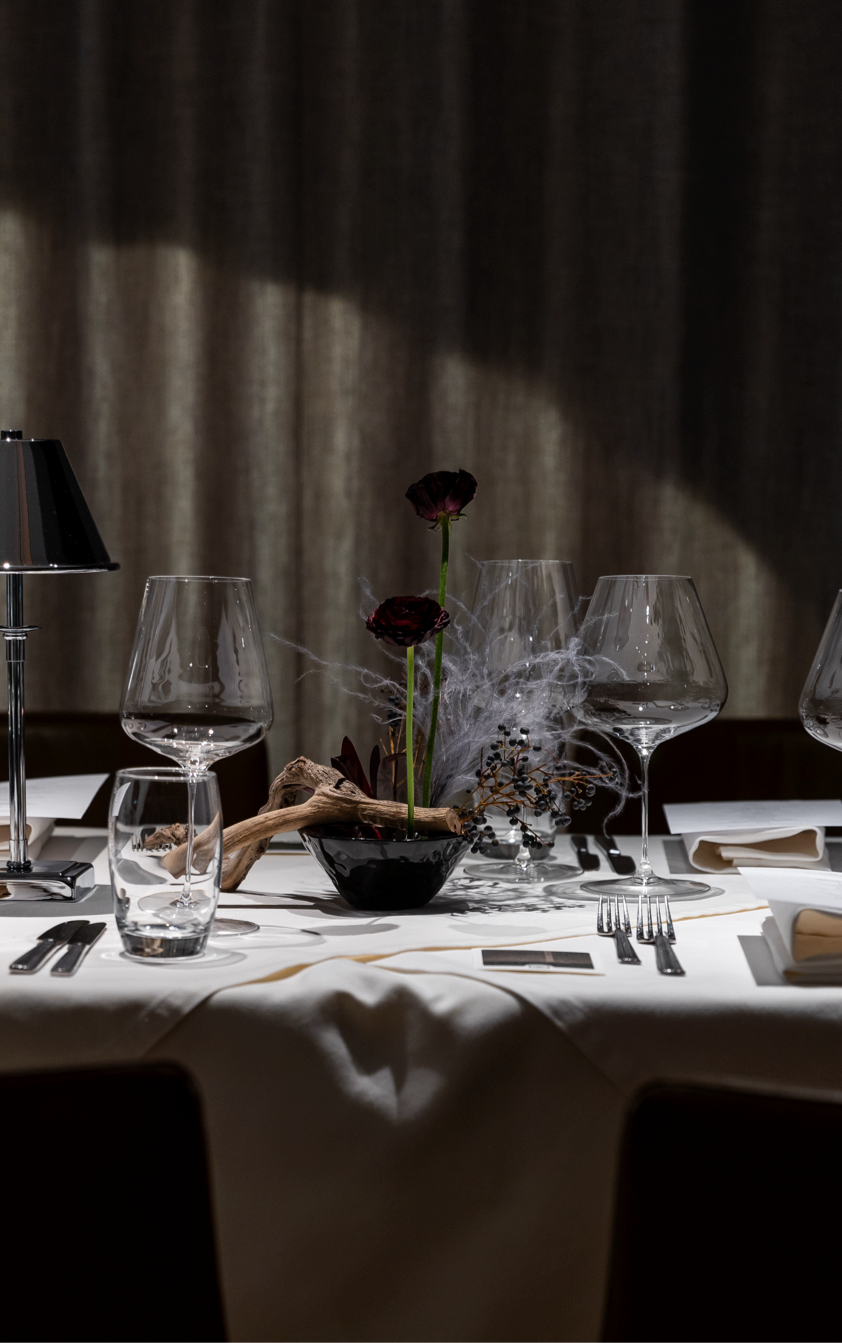
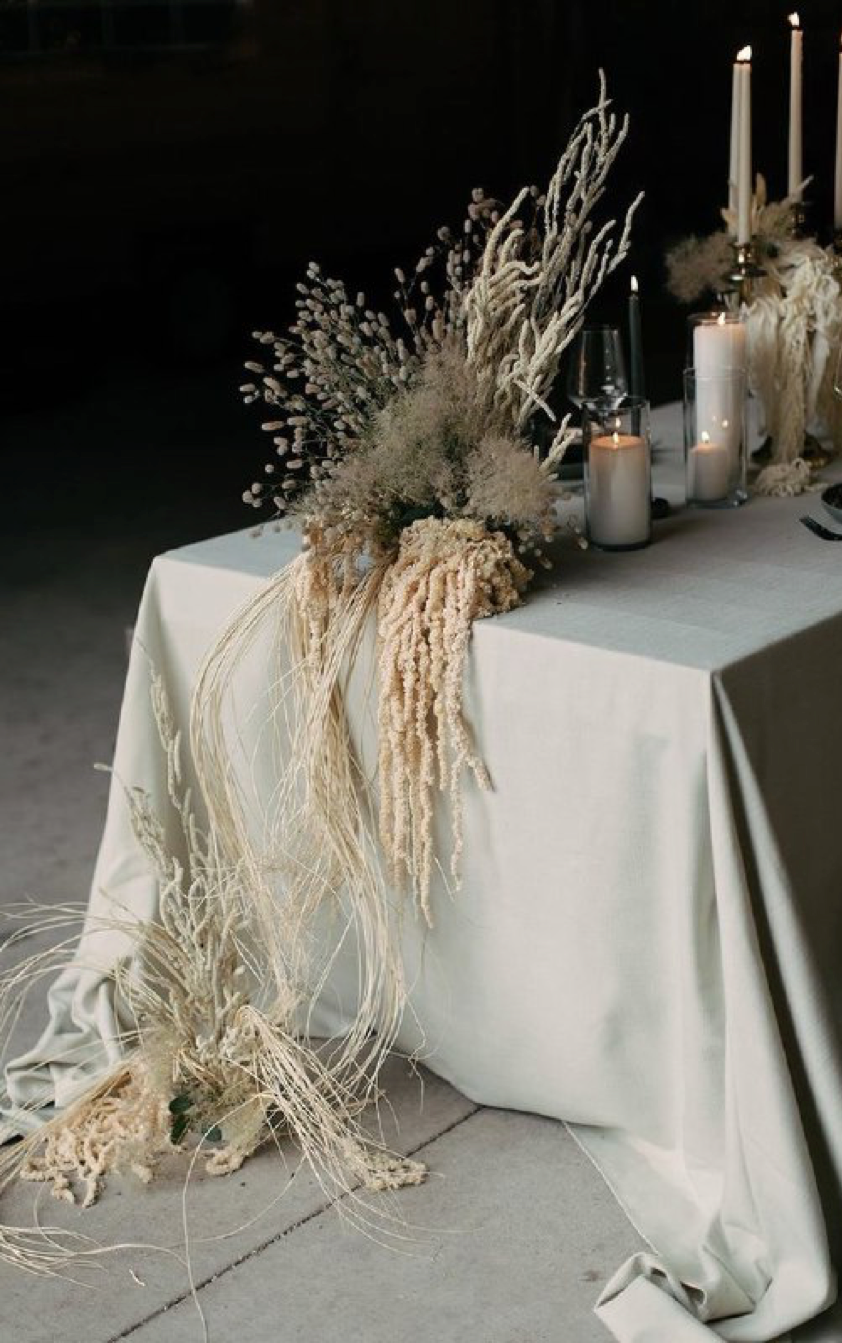
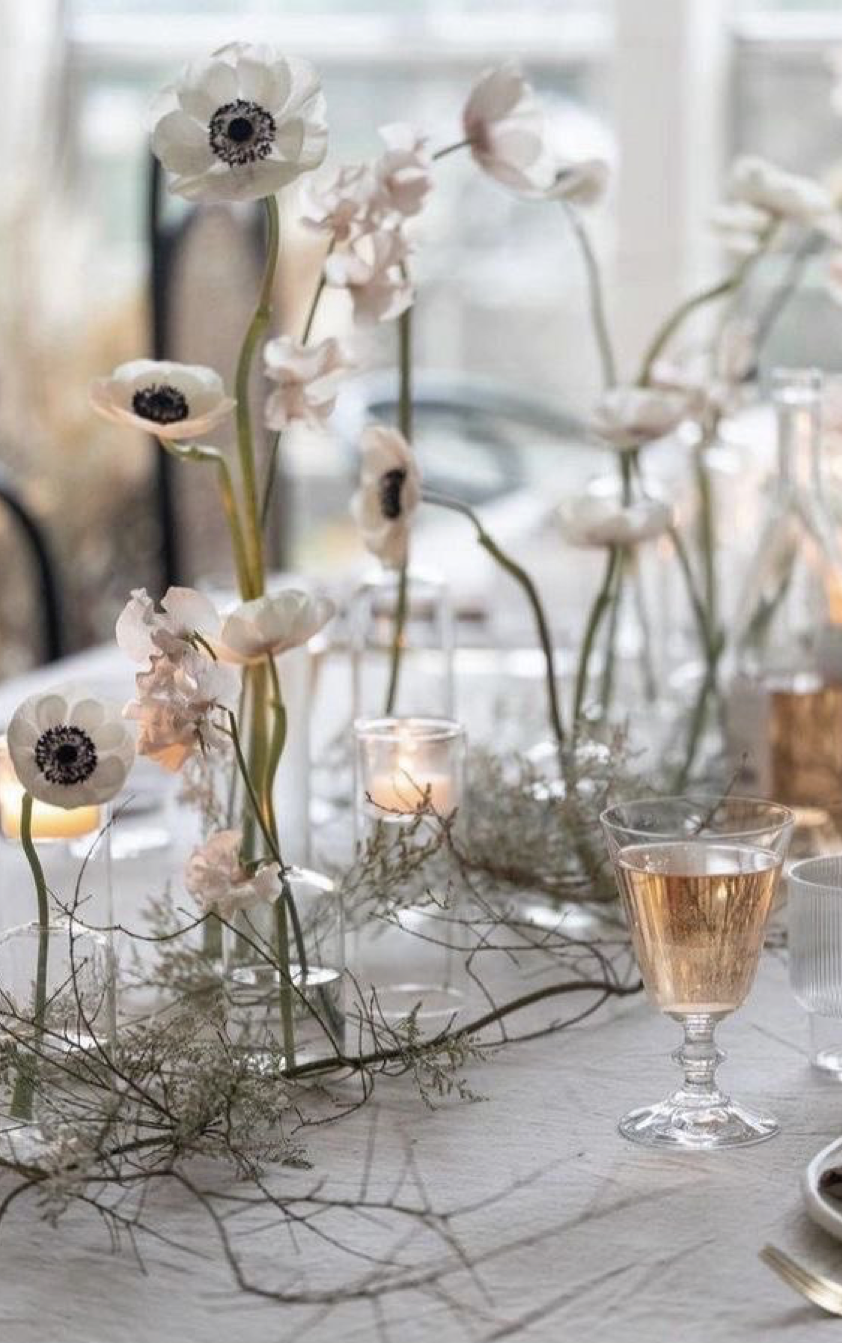
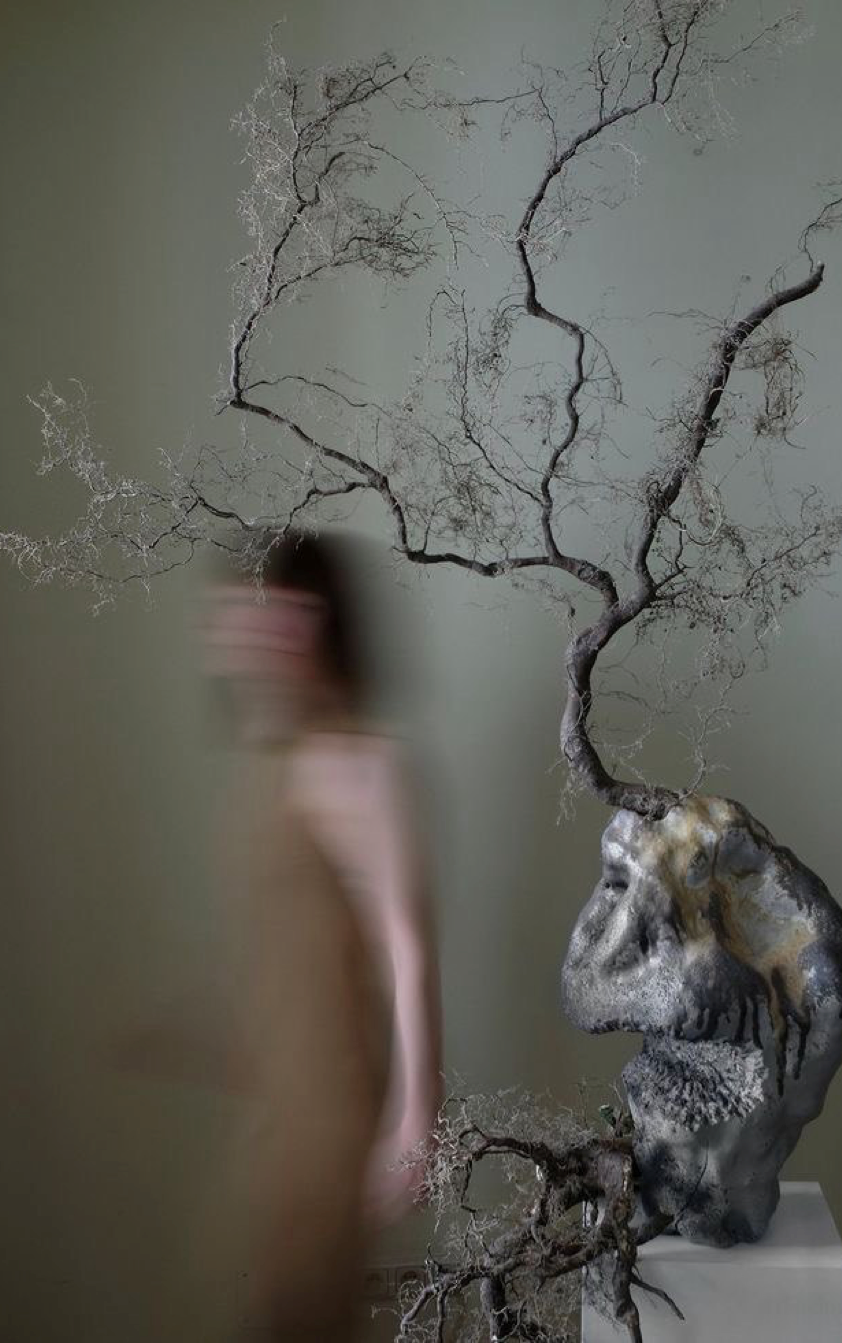
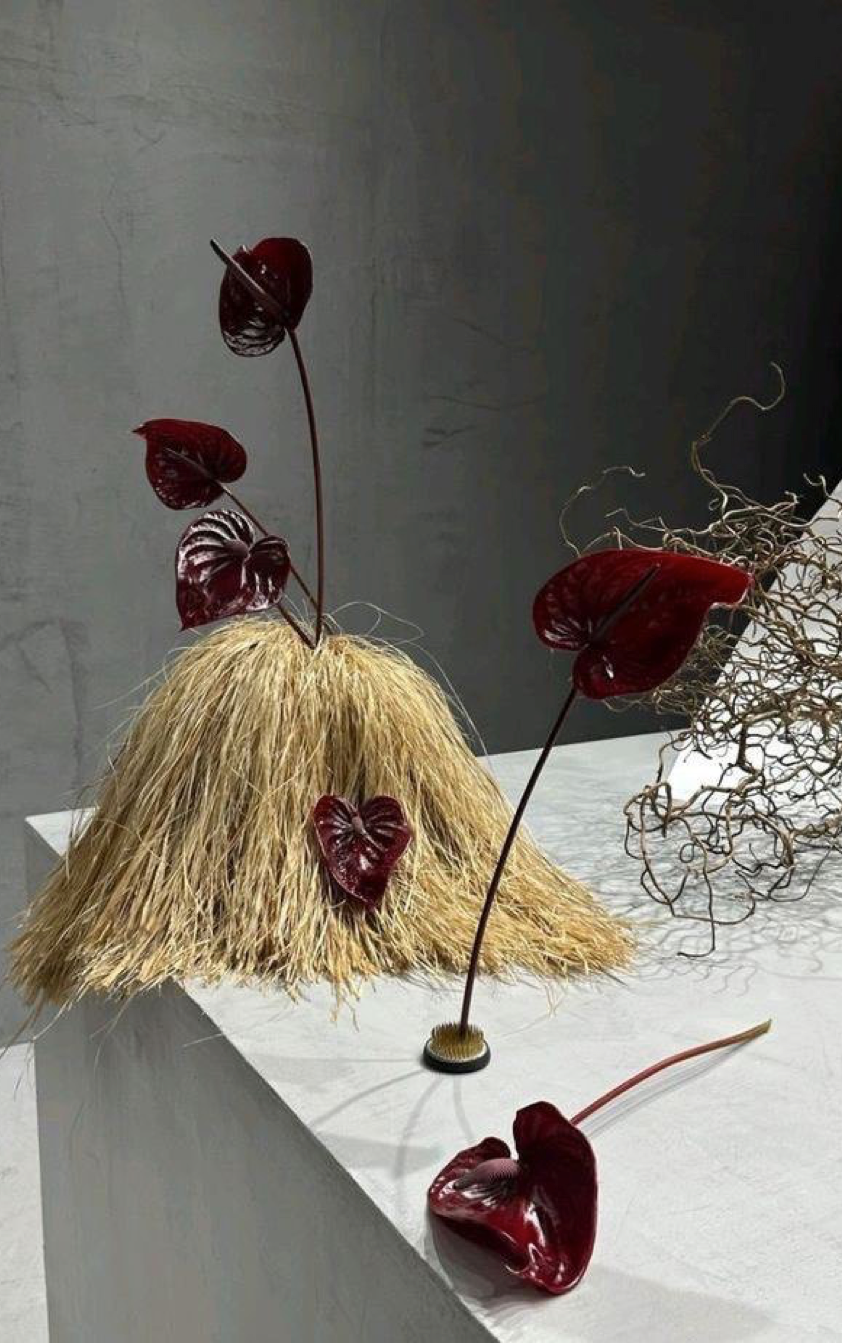
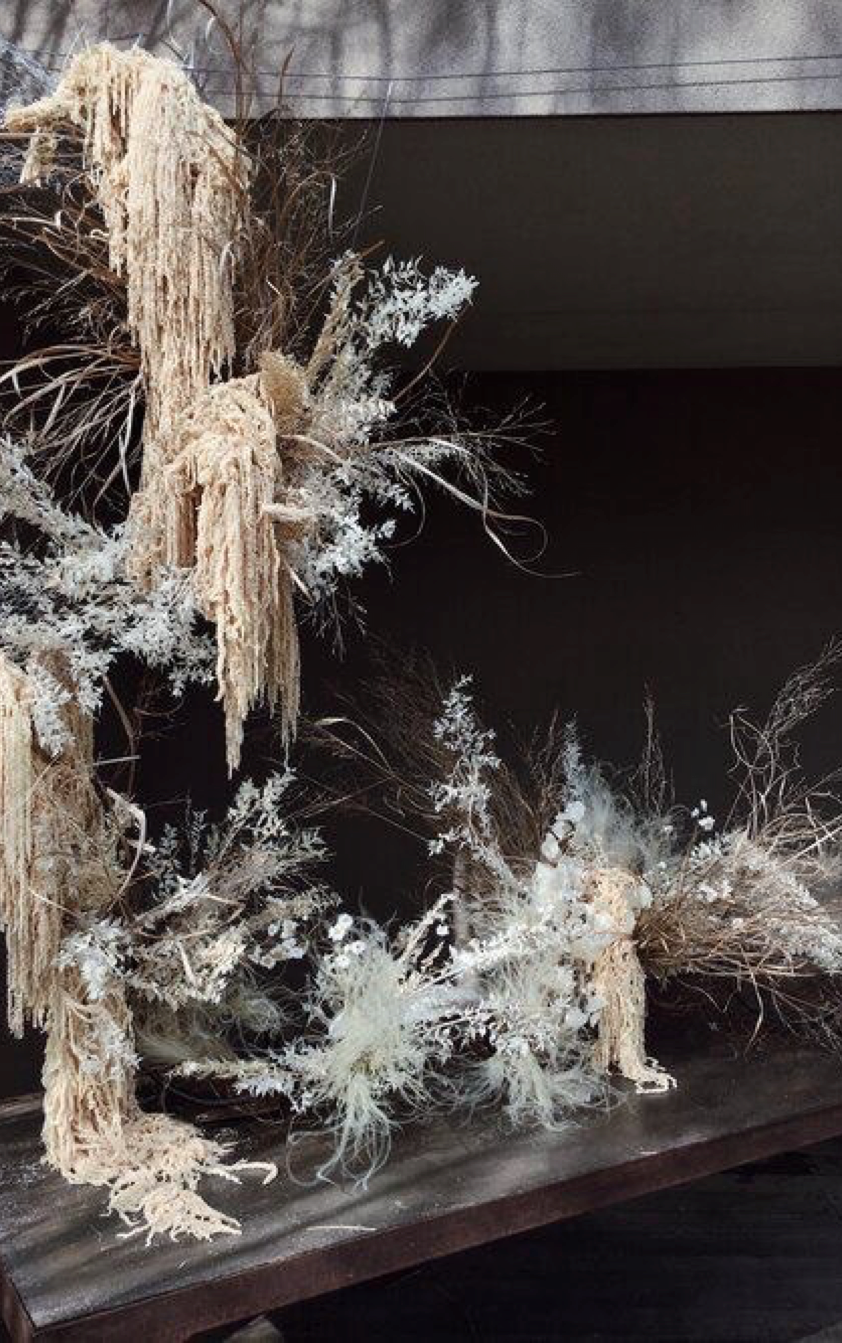
When I worked in an office, there was a small flower shop in our business center — a little oasis of harmony and beauty where I always wanted to linger. Throughout my seven years in banking, I was searching for a way to express myself creatively: I tried painting, wrote texts, and eventually moved into the art field. That year became a true liberation from the stereotypes of corporate life.
The turning point came during a trip to the Netherlands. A long-held dream came true — I found myself in the Keukenhof botanical garden at the peak of blooming season. Trees, flowers, a carpet of color everywhere — I remember the feeling as if I had entered my own paradise, a habitat that felt deeply natural to me. Shortly after, I helped with a spontaneous wedding decoration for friends, and in that moment I knew: I wanted to study floristry. It was the creative direction where I could fully unfold and express my vision of beauty.
A dialogue with plants is a vital part of my work. In ikebana, for instance, the shape of the flower dictates the composition: every branch is unique, and no two arrangements are ever the same. This is where multifaceted beauty emerges. To stay in the right state of mind, I need a constant attunement to nature. It offers the best color combinations and forms, but more importantly — a sense of harmony, light, and changing seasons.
Travel has also become an important source of inspiration. In recent years, I traveled not only to rest, but to learn from the best florists in the world. I also enjoy exploring adjacent fields: still life photography, contemporary art, ikebana, ceramics. I’m considering scenography courses — to learn how to create not just beauty, but meaning within a space.
Inspiration often begins with a single subtle detail. If a client gives me even a small starting point, I take hold of it and create my own “film.” For example, with the Orient Express project, I rewatched all the films, made numerous screenshots, and through these details crafted the atmosphere we needed. I’m fascinated by parallel narratives: an arrangement can evoke not only a journey from one city to another, but also a journey through time. So we printed old posters, sketches of the train, and a map of its 1883 route — all to give the project depth. Clients rarely realize how much research — visual, historical, cultural — stands behind a concept. But I believe they feel it, even subconsciously, and it makes the design richer.
Within me, both structure and a longing for creative freedom coexist. When it comes to values, I have a clear sense of what “beautiful” means to me, and I don’t always take on projects where I feel a fundamental aesthetic mismatch. Before major events, I carefully plan every scenario: what might happen, what might be needed, what challenges may arise. I share all of this with my team. It’s the only thing that truly calms me, because large projects are always stressful.
To stay grounded, I rely on things that stabilize me: long walks with my dog, yoga, running. And of course, experience — it reduces fear. With every project, I understand more clearly what I am capable of, and I grow less afraid of the new. That opens up more room for fresh ideas.
Still, what drives me most is a personal desire to tell a story I sensed — sometimes imagined, sometimes expanded in my own way. But commercial projects rarely allow full creative expression: clients can intervene, and some ideas remain unrealized. It’s always a bit sad, but it’s part of the reality. Even so, floristry remains one of the few creative professions where you can unite business and self-expression. And it is precisely this combination that makes my path feel truly alive and authentic.
Ksenia Romanova
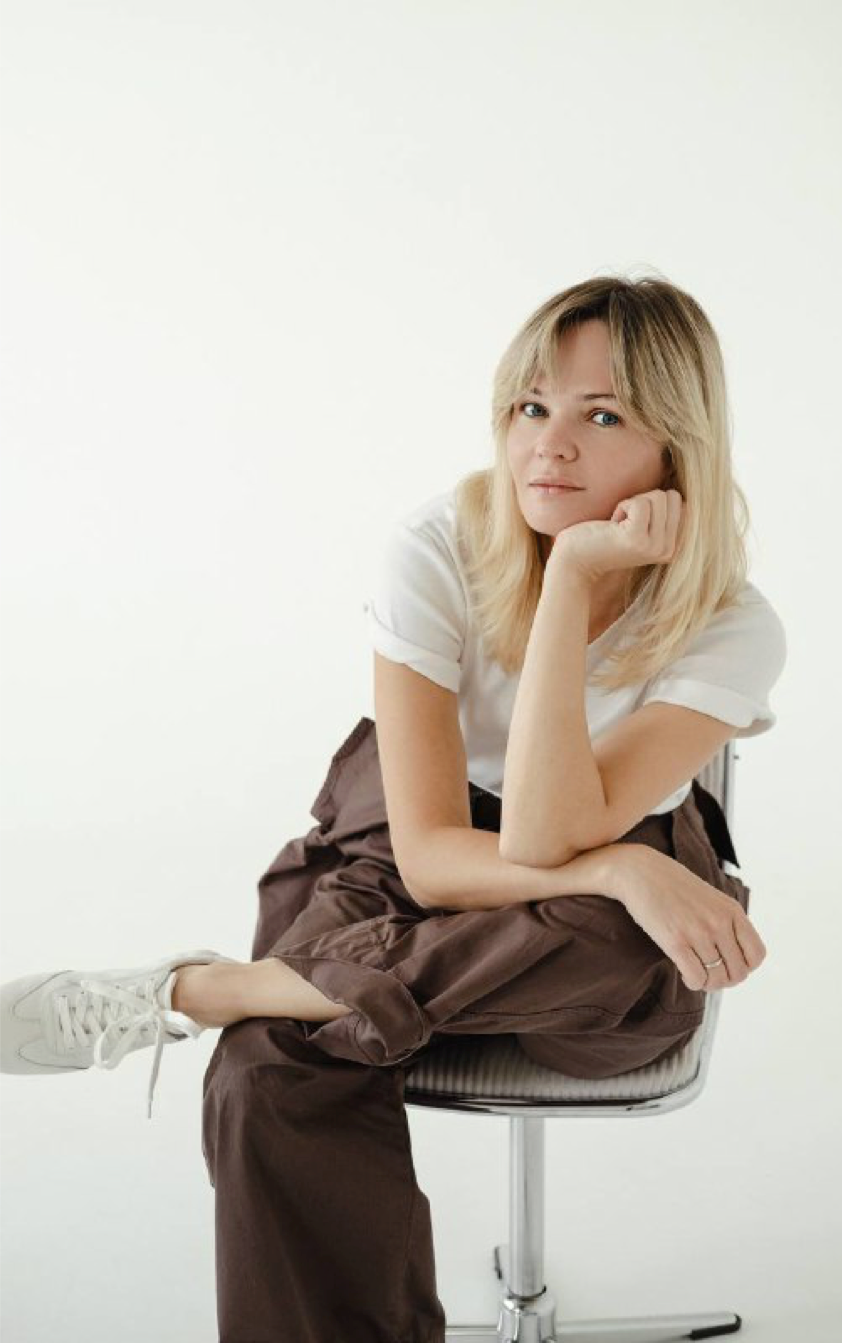
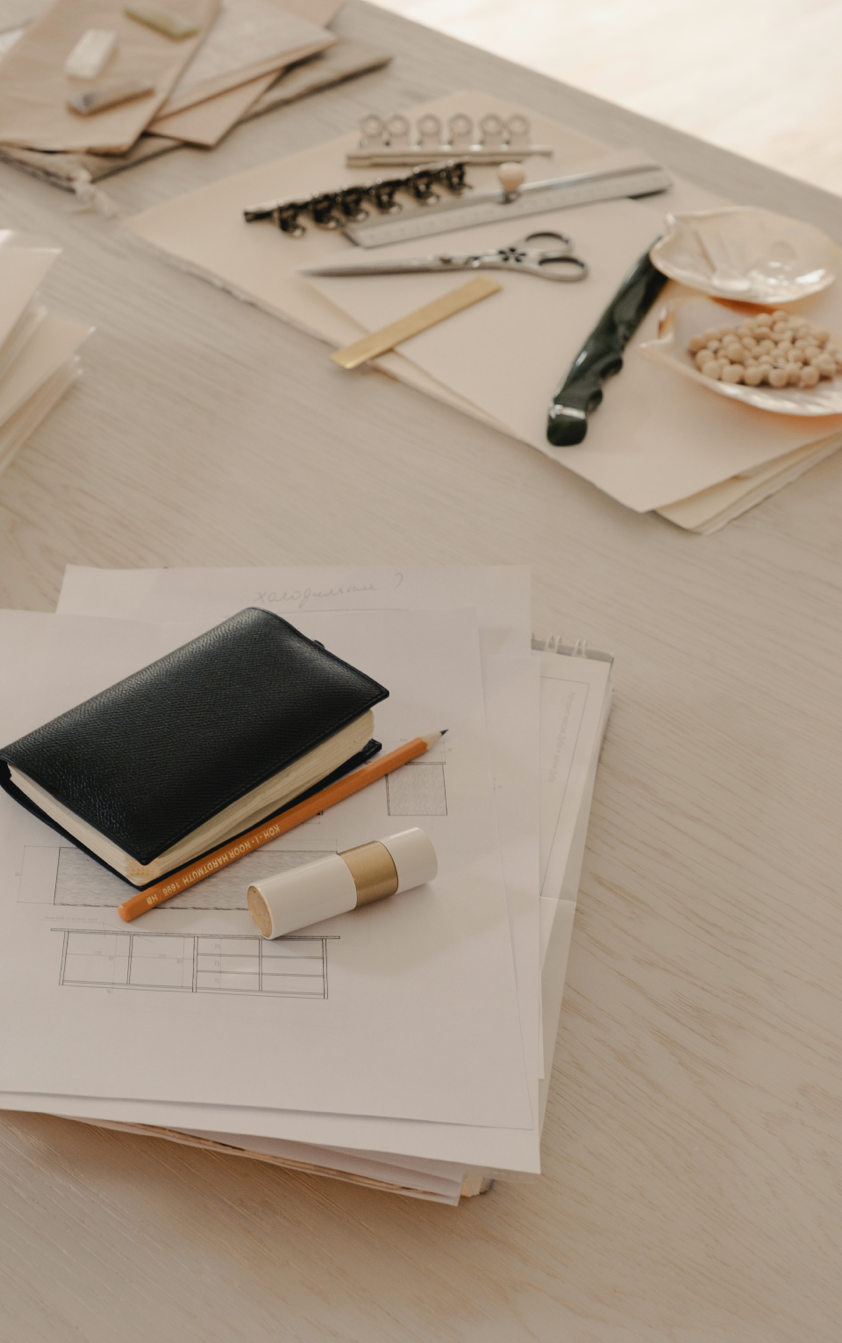
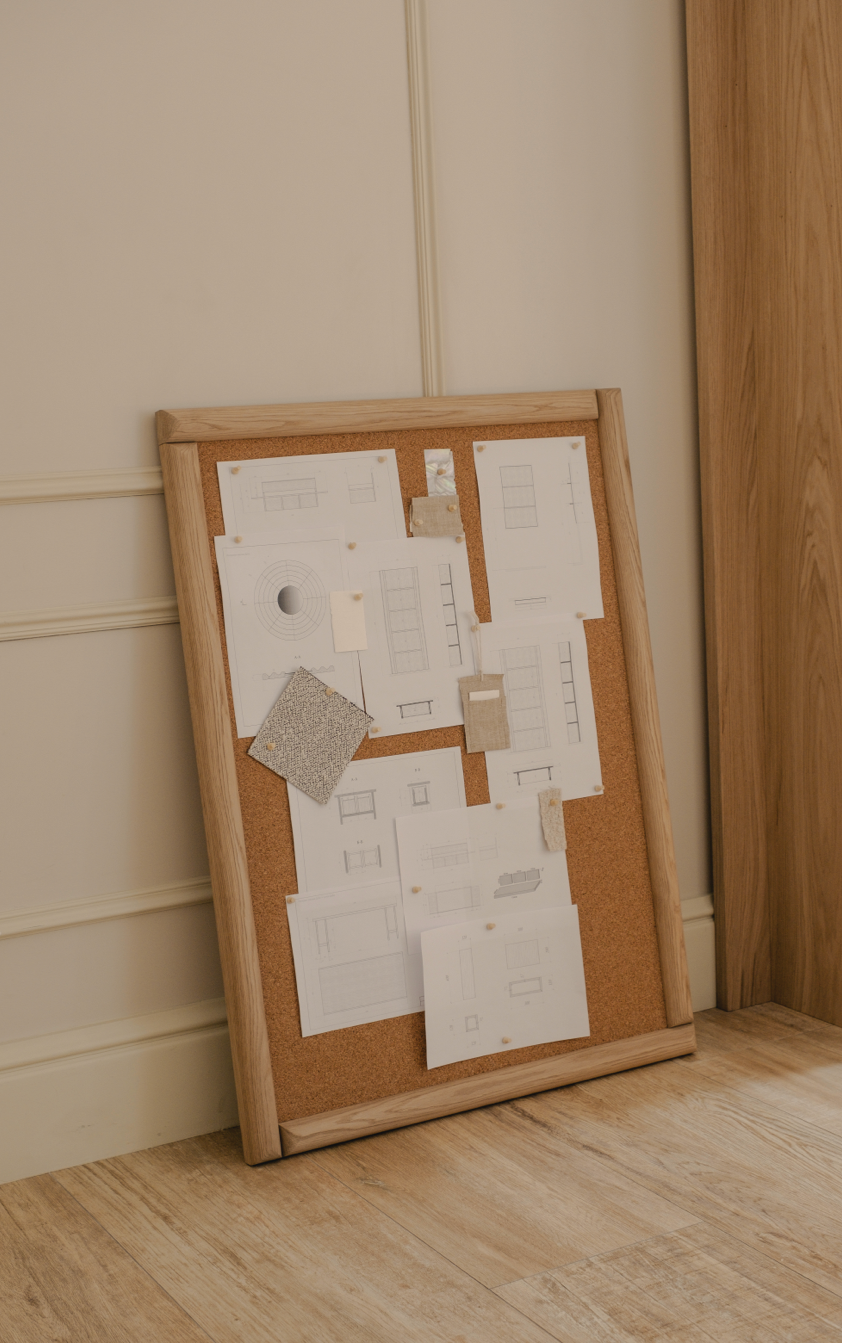
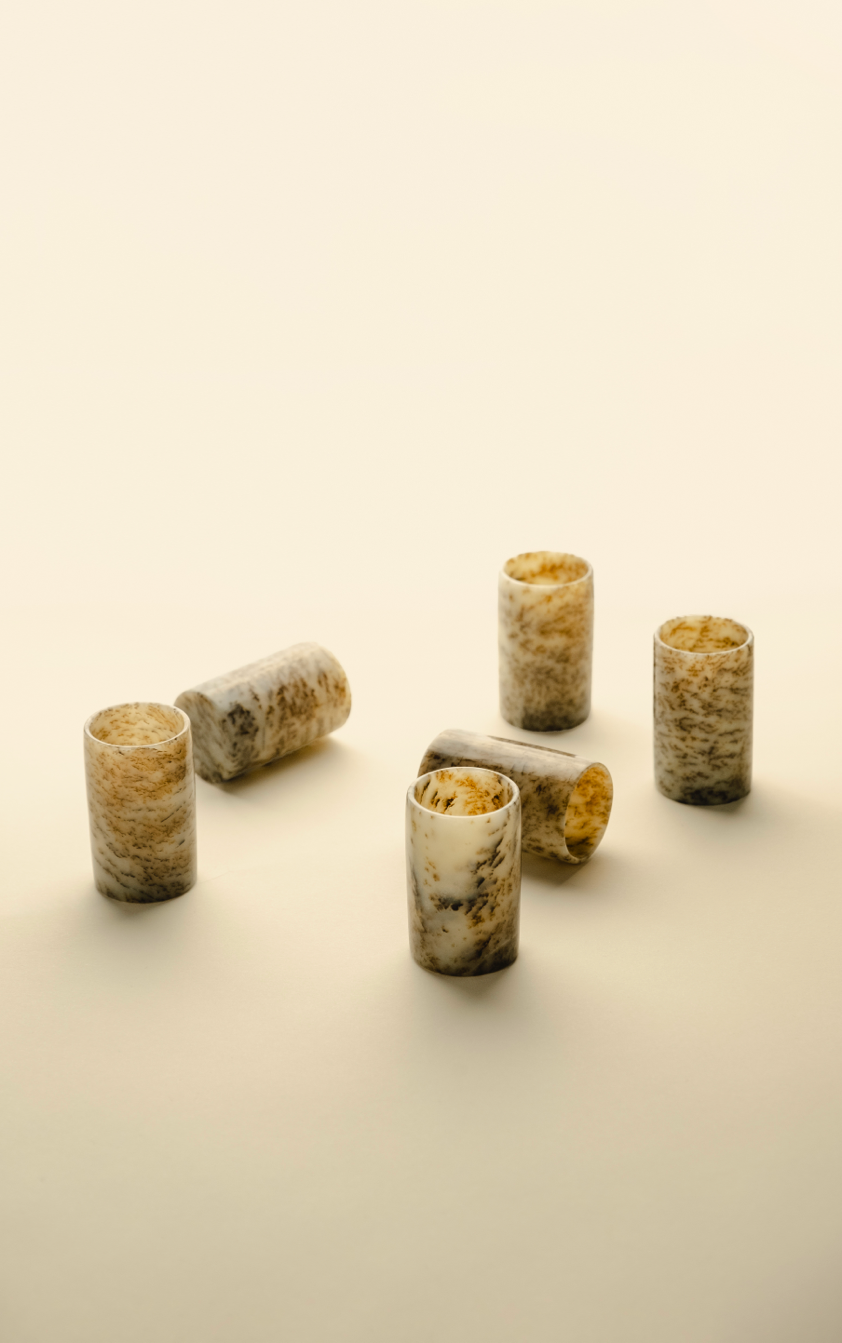
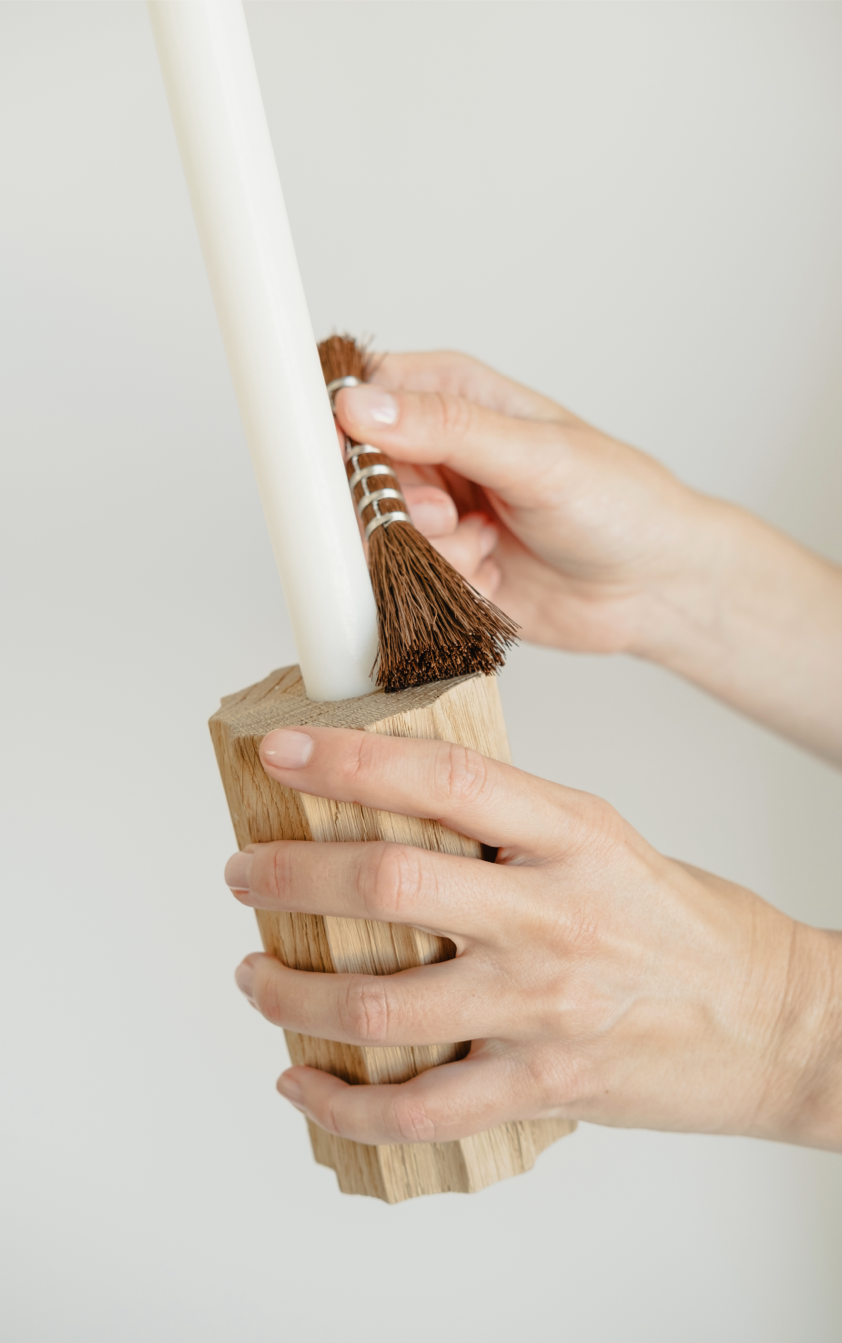
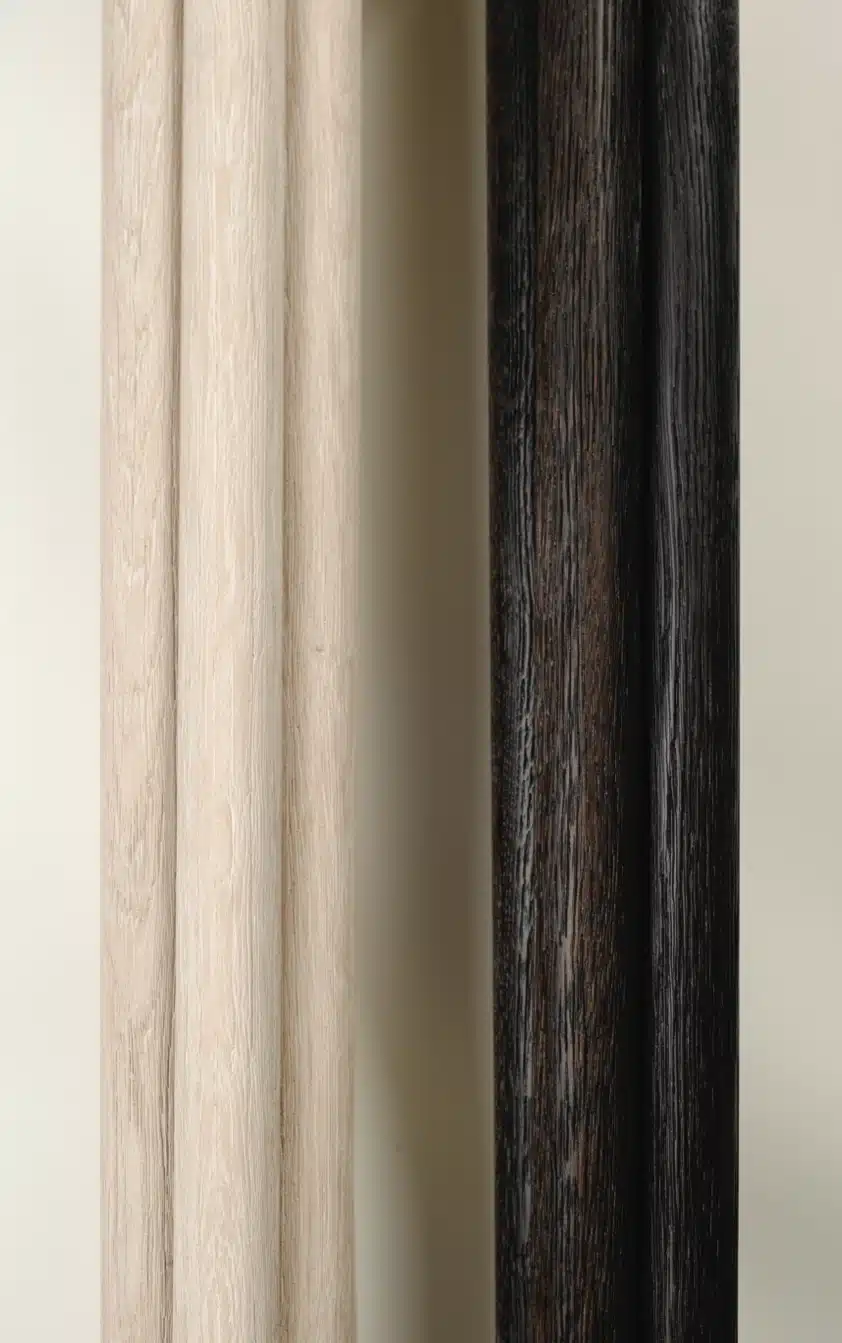
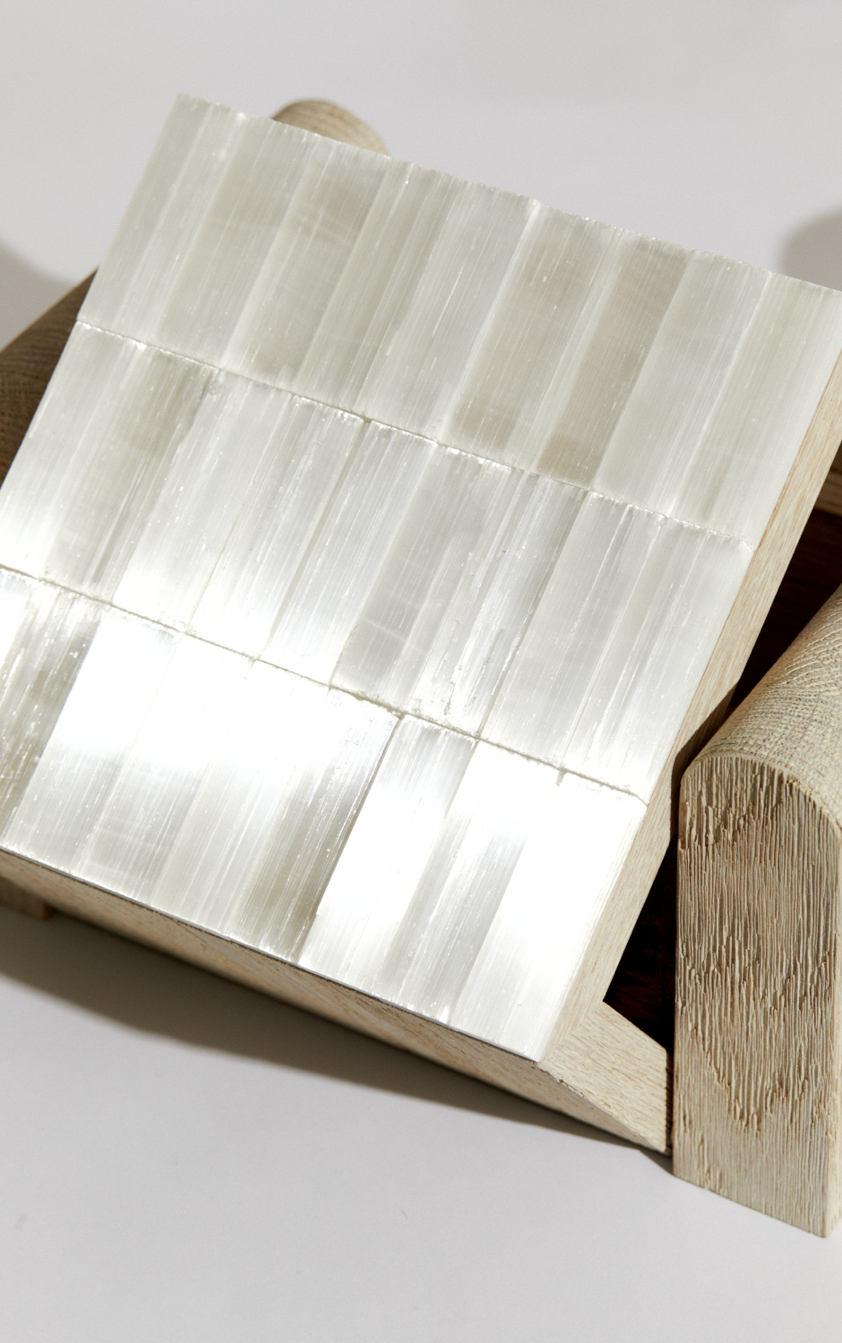
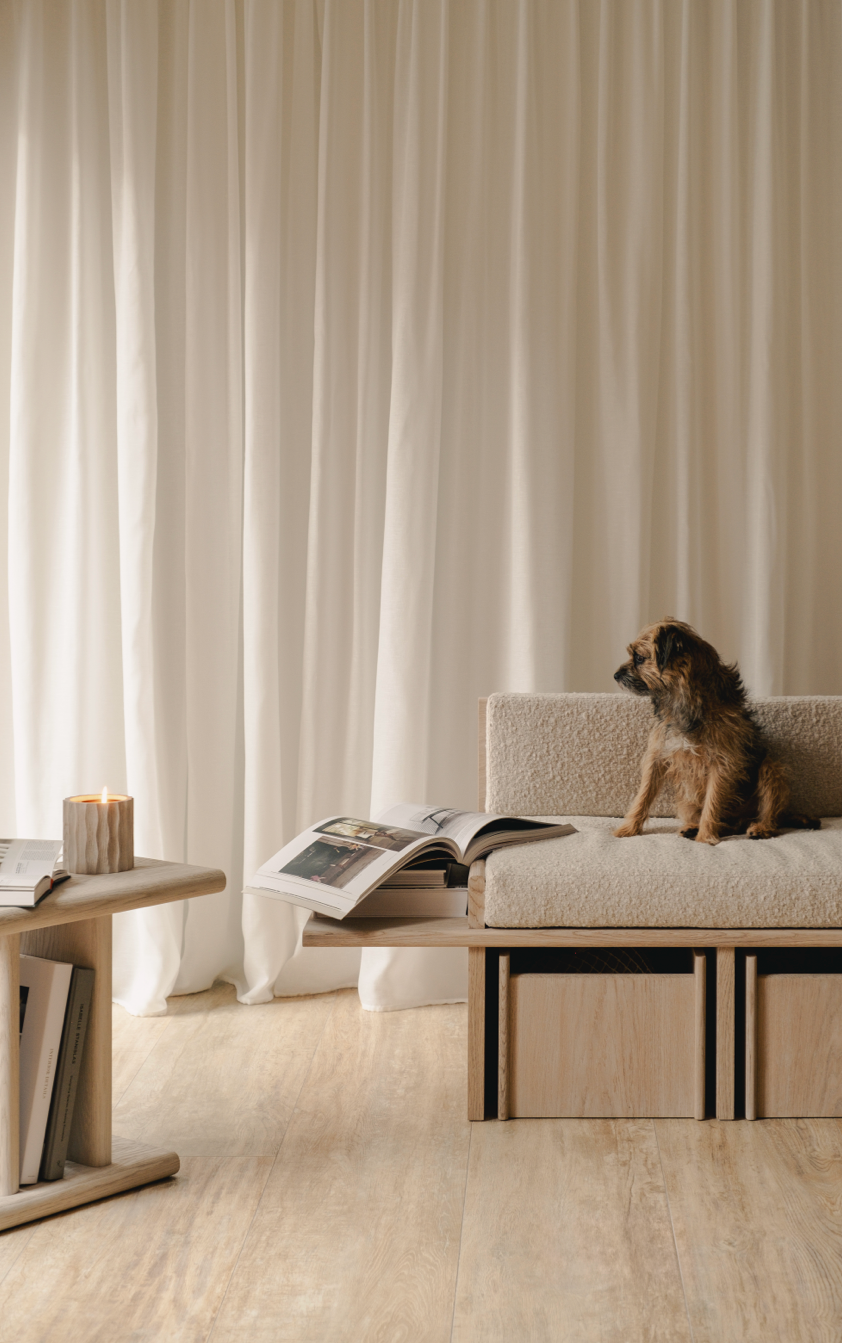
Beyond the beautiful objects I was always surrounded by in fashion, the very act of creating a magazine each month felt like a kind of magic. There was a particular moment—holding a freshly printed issue in your hands: the tactile pleasure of turning the pages, checking the fonts and colors, and breathing in that distinctive scent—a blend of fresh ink and perfume (at the time, it was still common for beauty ads to include scented product samples).
I joined Vogue in 2007—those were the golden years of print media. There were no bloggers, no Instagram, no digital magazines yet. Being a Vogue editor meant belonging to a very small circle of privileged people who could literally “touch” the world of high fashion: attending shows, trying on haute couture, and then translating that experience for the readers.
But as everything became increasingly digital, something essential began to fade. Fashion became too fast, too accessible, too easy to consume.
At a certain point in my fashion career, I realized that I was no longer interested in “dressing” people. At the same time, another realization emerged: dressing a home could be just as thrilling—and far more meaningful. That is how it all began, with the dream of building an ideal country house.
I have never lived in a rented apartment. My living space has always meant much more to me than simply a place to sleep, eat, or store the baggage of life. For me, a home is a mirror of my inner world. That is why I could never imagine hiring a professional and remaining detached from the process. At the time, I had little experience in architecture, but my journalistic background allowed me to immerse myself quite quickly in the study of art and interior design.
Even before my first design or production experiments, I understood that I needed a separate digital space to explore art and design. After twelve years in media, my personal account was entirely filled with fashion references. So I created a new one—fully dedicated to my evolving vision of home and environment. The name came suddenly: SHELVES. It felt immediately and absolutely right.
I love rituals. I wash dishes with a sea sponge brought from Greece, and for homemade sushi dinners I choose hand-carved jade chopsticks.
This is how the philosophy of SHELVES took shape—a way of living through aesthetics, which I now share through this project. And yes, it’s true: sooner or later, every surface around me turns into a shelf—a place for the many small things I hold dear.
I choose organic materials over synthetic ones. They reconnect us with nature and invite us to slow down, observe, and experiment. What do you feel when you hold a plastic spoon in your hand? Now imagine it made of mother-of-pearl.
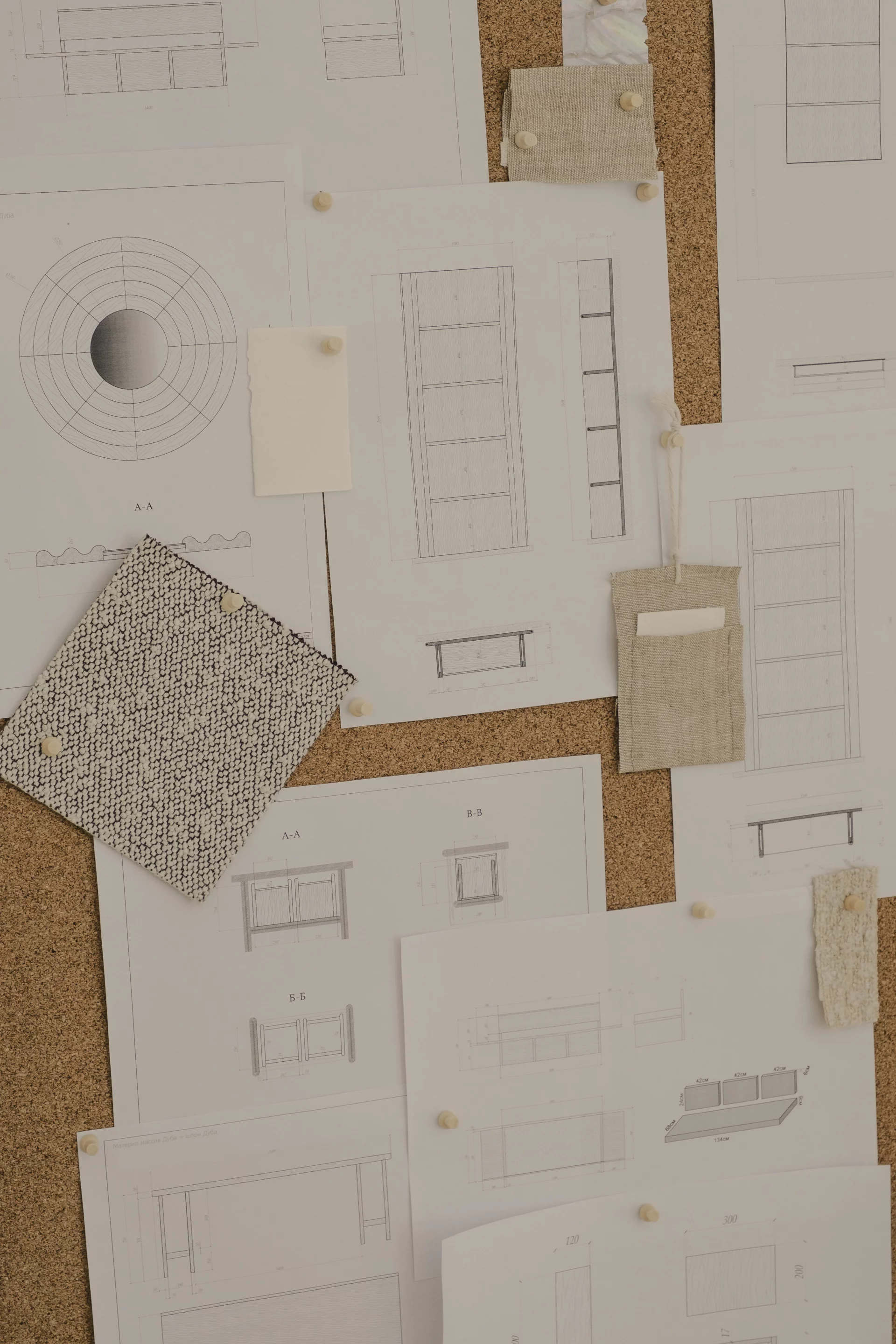
When creating a new object, I begin with a list of its possible functions. How often do we use a dining table as a desk? How many drawers or shelves do we open every day? Does a small table ever become a stool—or the other way around? These are the kinds of questions I ask myself throughout the process.
When you meet the right person, it’s difficult to explain—but you simply know. The same happens with objects. You sit on a chair and suddenly understand: it was made for you. I believe the relationship between a person and an object is deeply intimate. The objects I create or select for the studio cannot please everyone. But I always hope they will find their person—and make someone’s life a little better.
My entire life and career have taught me one thing: plans may change, but your vision and your style must remain.
Ksenia Emelianova
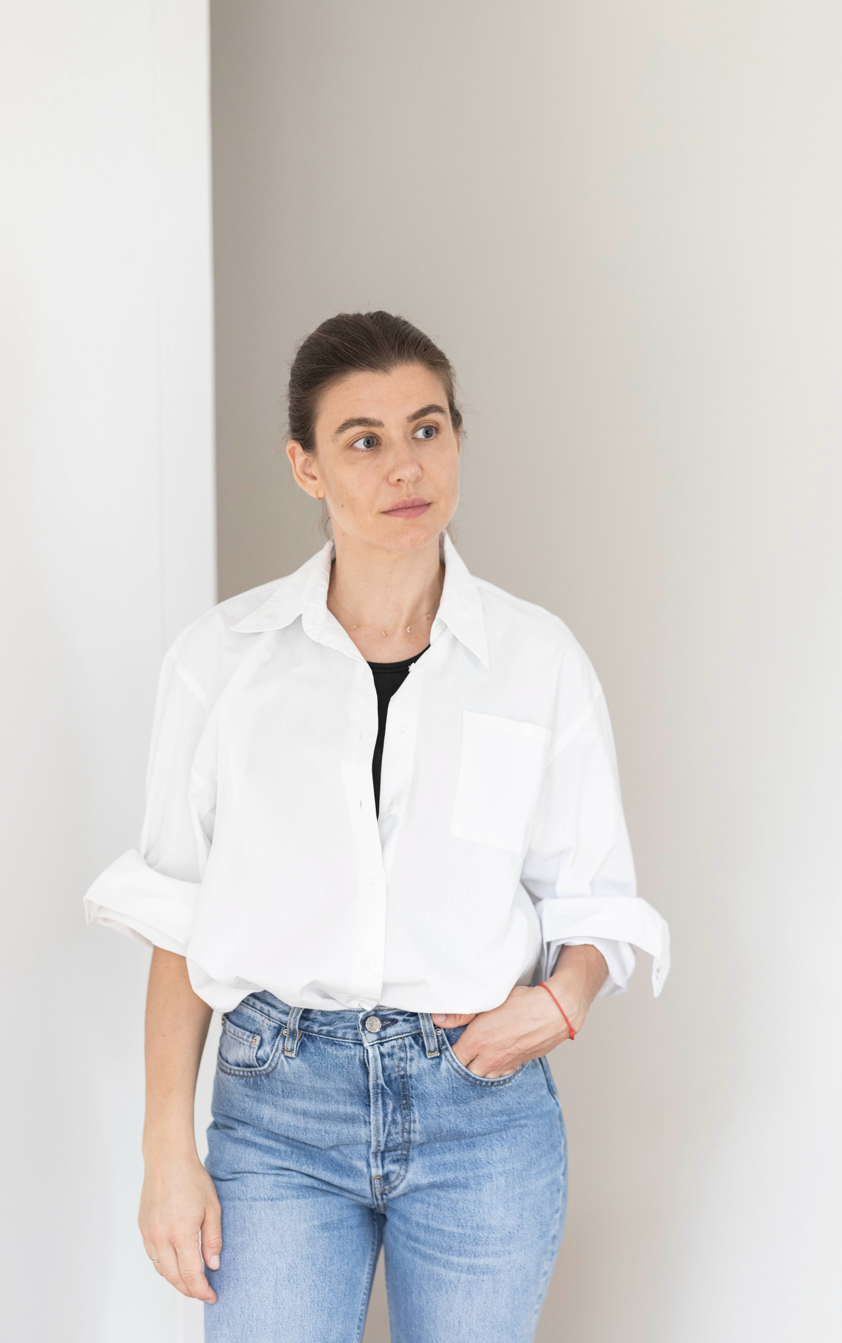
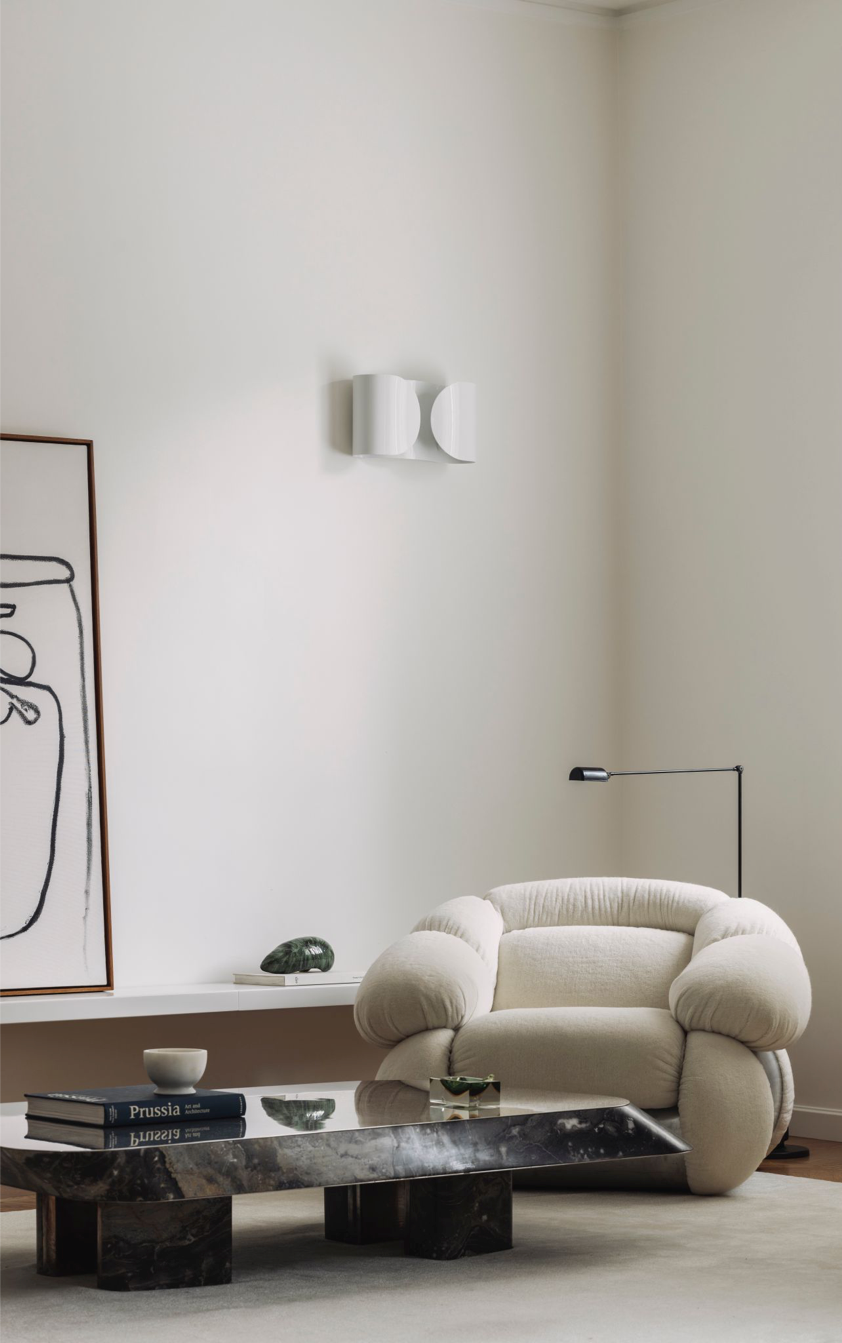
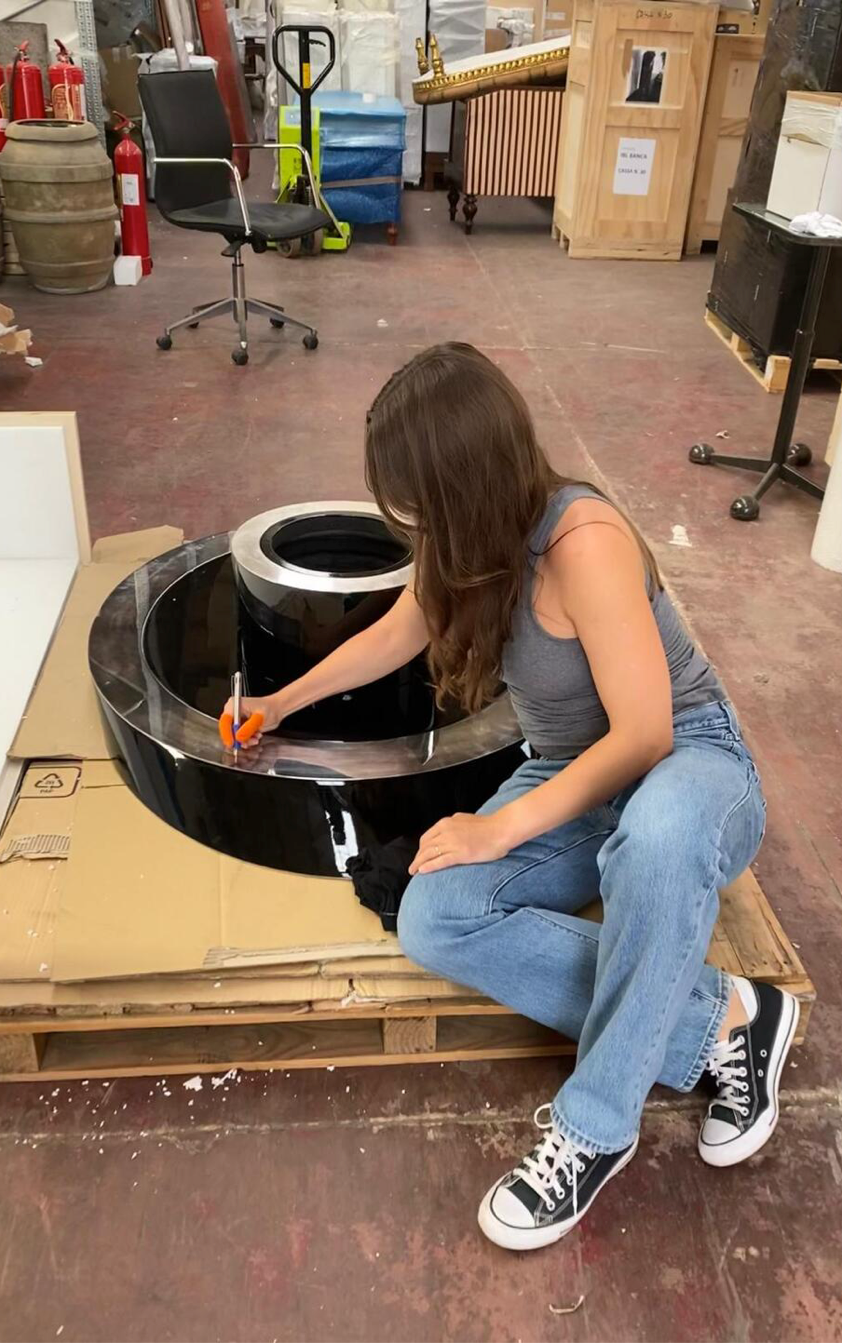
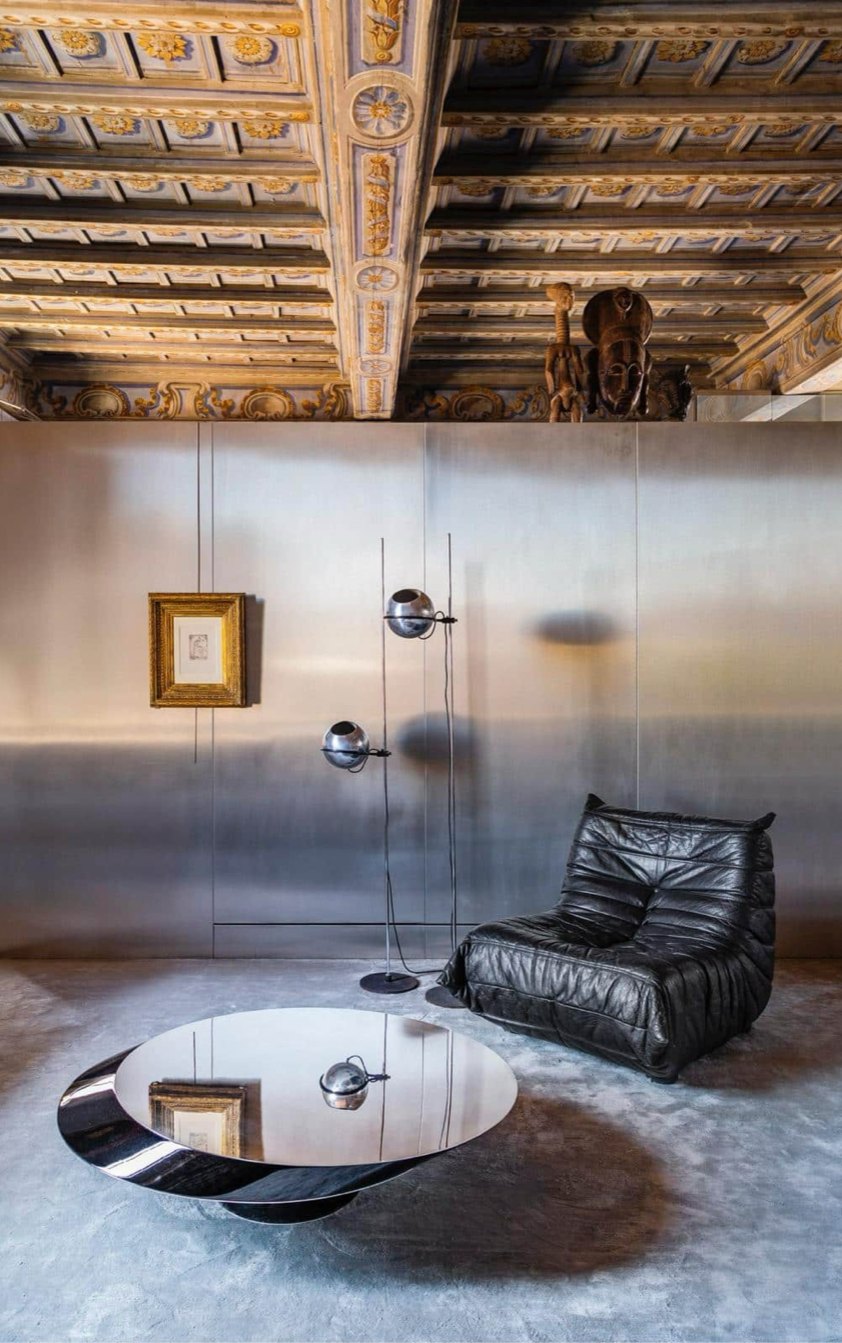
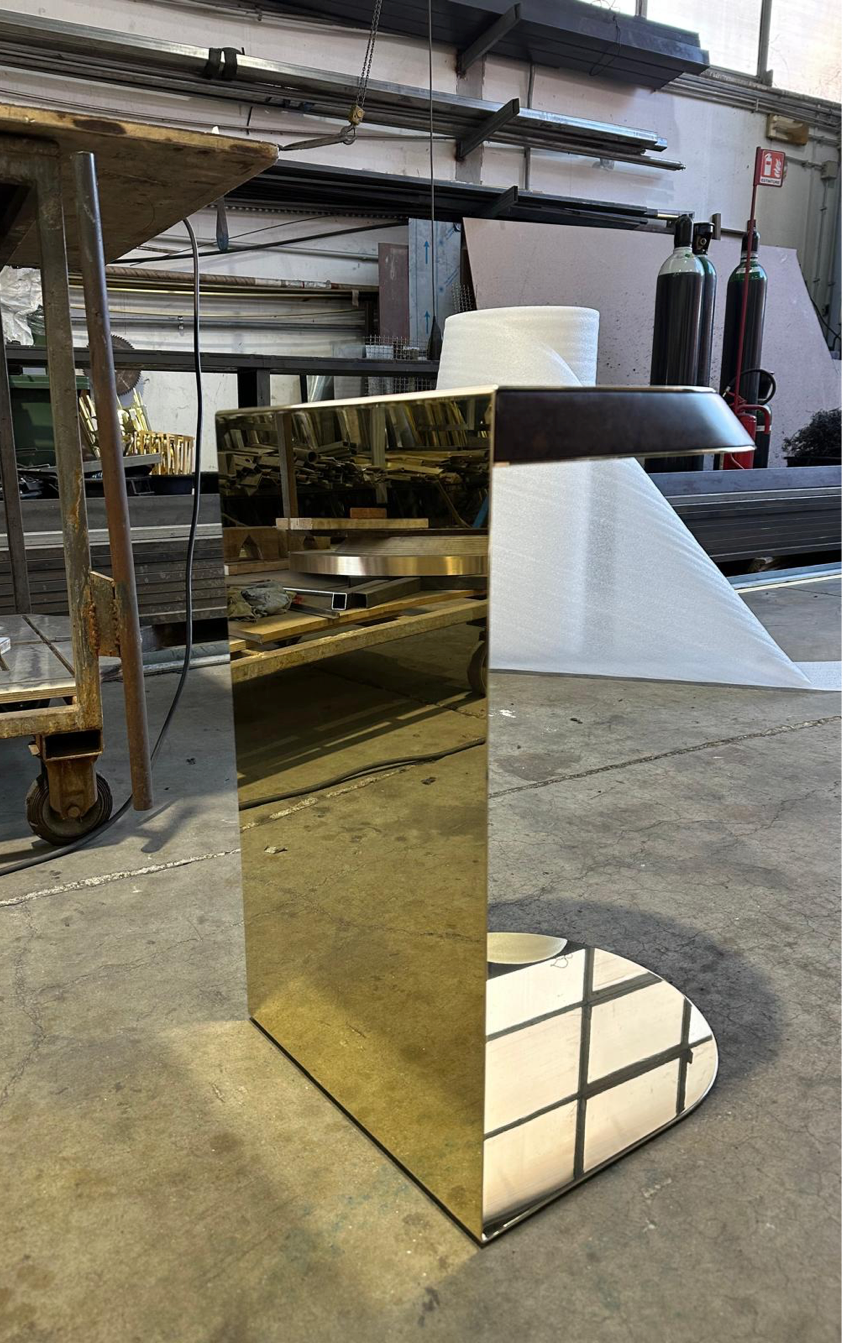
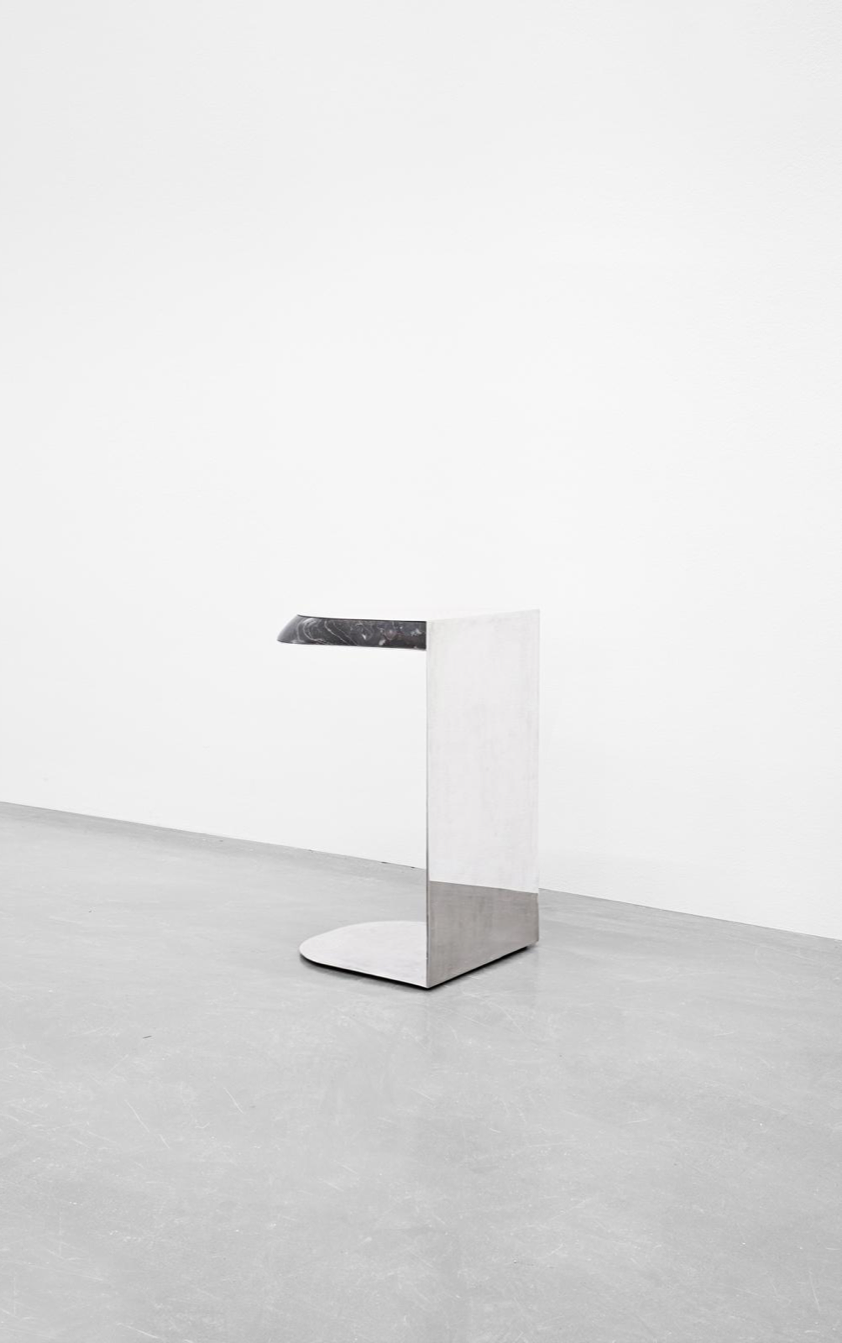
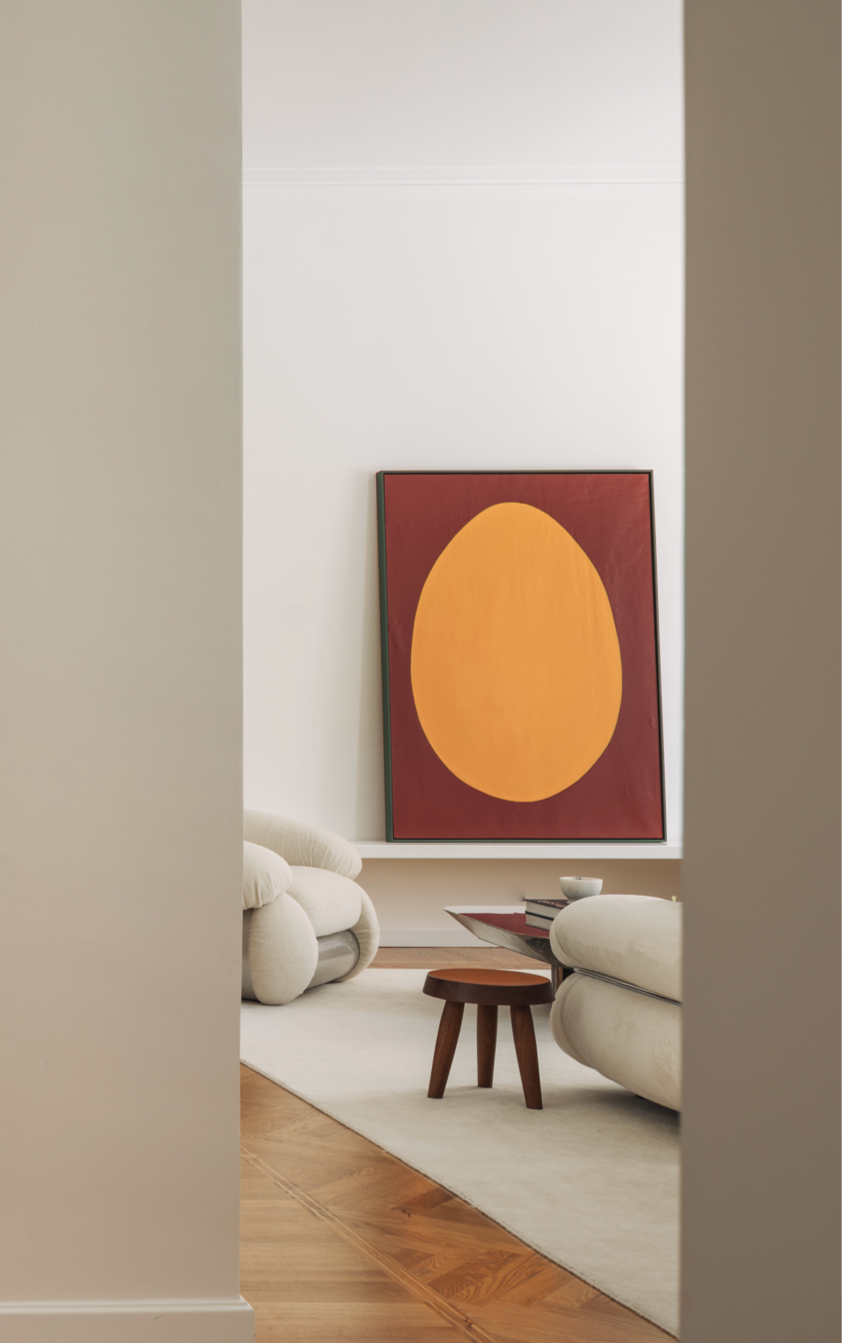
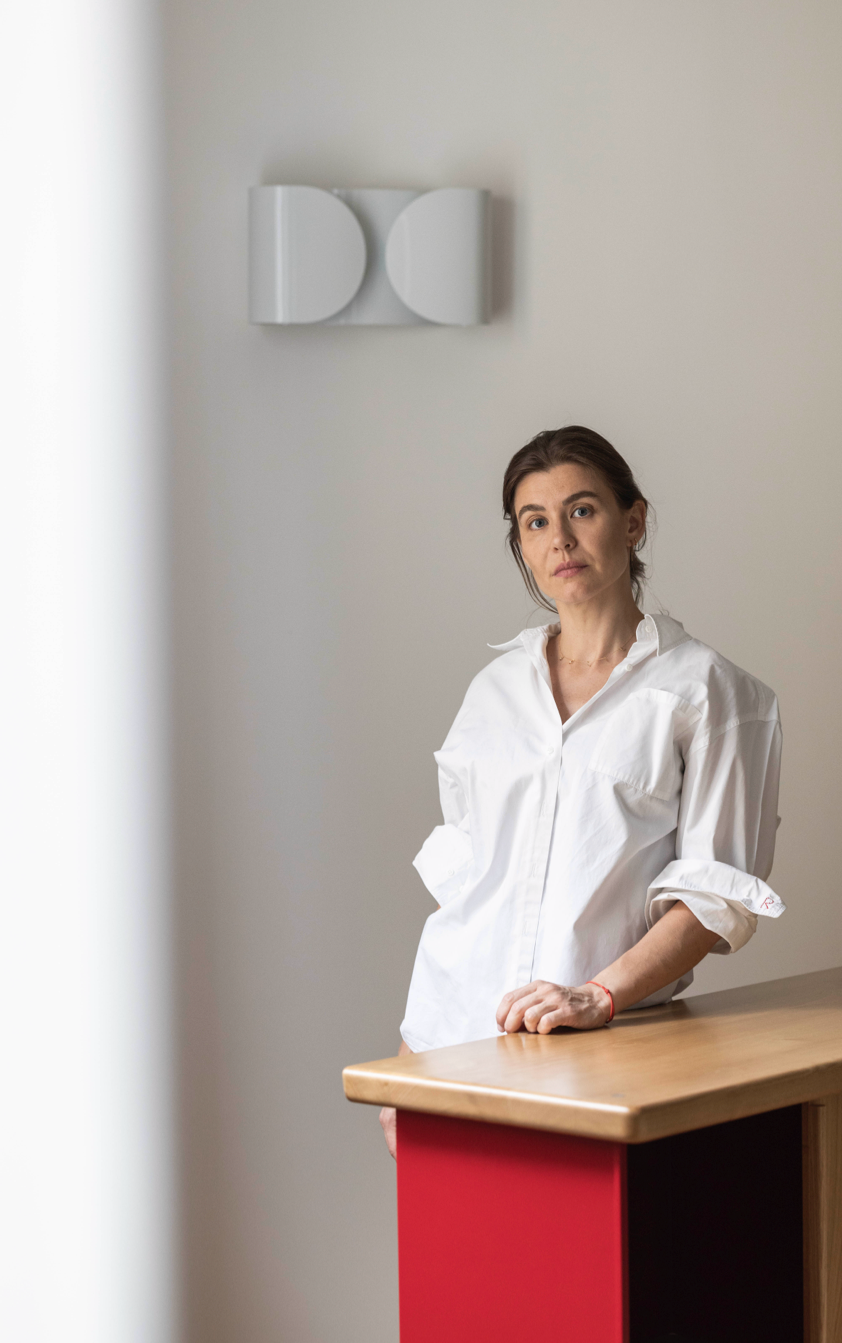
My path into design has been a winding one.
I graduated from an art school in Kaliningrad and initially planned to apply to the Stroganov Academy in Moscow. However, my parents encouraged me to pursue a more conservative education first, so that I would not completely lose touch with reality. As a result, I earned a degree from the Faculty of Law at Kaliningrad State University (now Immanuel Kant Baltic Federal University), after which I moved to Milan and completed a Master’s degree in International Relations at Università Cattolica.
In 2011, I decided to establish my own company in Milan — ES Group Italia, specializing in supply services and project management. By that time, the first clients had already appeared. My first project was a private villa in Tuscany, where I supported the client with design development and turnkey supply solutions.
Many of my friends were working in the fashion industry, and I also felt the need for a more creative form of self-expression. This led me, in 2012, to enroll at Istituto Europeo di Design (IED), where I studied Interior Design.
At IED, we had outstanding teachers. I studied in the evening, and all of our professors were practicing designers and architects. The most valuable knowledge for me was gained in design technology and project concept development. Technology gave me confidence in the technical aspects (construction, electrical systems, plumbing, etc.), while concept helped me understand how meaning is formed, what emotions a project or object conveys, and how to express these ideas through the language of design.
Later, I moved to Rome. At that time, I did not know anyone there — all of my professional contacts were in Milan and in Russia. I wanted to gain hands-on experience in project management and deepen my understanding of methodology. I reached out to two architects I admired: one declined, while Massimo accepted me for an internship.
At the same time, ES Group Italia continued to operate, focusing on supply chain management as well as project and product management.
After graduating from the institute, in 2013, I founded Emelianova Studio. This marked the formation of my 360-degree approach. Within this framework, architect Giacinto Di Nardo and I realized our first joint project — a private villa in Russia. It was a unique experience, as the client worked with a single studio responsible for the entire process: concept development, supply, installation, and final delivery.
Looking ahead, my goal for Emelianova Studio is to master new technologies that allow projects to be designed in one country and produced in another, eliminating complications related to logistics, customs, sanctions, and similar barriers.
In the realm of fashion, we will seek out those who possess an unparalleled sense of style, daring to redefine the very essence of what it means to be fashionable. Their creations will inspire us to embrace our individuality, to embrace the power of self-expression through clothing.
In the world of art, we will uncover the hidden gems, the visionaries whose brushstrokes and sculptural masterpieces have the ability to transport us to ethereal realms, evoking emotions and provoking thoughts that resonate deep within our souls.
Within the realm of design and architecture, we will celebrate the genius minds who shape our physical environments, weaving together functionality and aesthetic allure. Their innovative designs will continue to redefine the spaces we inhabit, creating harmonious landscapes that leave an indelible impression.
And in the world of beauty, we will honor researchers who use their knowledge to highlight the beauty inherent in every human being. Their transformative power will give us the opportunity to accept ourselves, to recognize the beauty that comes from within.
As we embark upon this new journey, let us remember the importance of nurturing and supporting these incredible talents. Let us embark on this journey hand in hand, united in our commitment to spotlight the extraordinary talents that shape our world.