ARCHITECTURE
Architecture Without Borders: Arte Vadimovich on Nature, Culture, and the Future of BUREAU A1
Article
Arte Vadimovich
BUREAU A1
Writer
Yana Karnaukhova
Architecture is not just a play with space and materials. It is a search for meaning, a balance between chaos and harmony, a philosophy embodied in form. Arte Vadimovich, the founder of BUREAU A1, believes that each of his projects is a dialogue with context, culture, and people.
In this interview, we discuss the role of ideas in architecture, inspiration drawn from nature, and the boundless pursuit of growth.
Yana Karnaukhova: Is an architect just a profession, a way of seeing the world, or something more?
Arte Vadimovich: TAn architect is a researcher—curious, engaged, and eager to leave a mark. It may sound vain, but that’s the truth. If an architect doesn’t want their work to be discussed, they’re probably not a very good architect.
YK: Arte, how do you define your creative essence? Architect? Visionary? A thinker of form and meaning?
AV: Yes, all of the above.
YK: What was the turning point in your decision to become an architect? Was it a moment of revelation or a gradually evolving choice?
AV: Well, the answer to this question is quite mystical. Looking back, I can clearly see that an “invisible hand” was leading me to this profession since childhood—along with an inner voice, of course.
“I still love discovering (or even inventing) new places — quiet, uninhabited spots where you can hear yourself most clearly.”
YK: Do you remember the first architectural idea that truly captivated you?
AV: I remember exactly: it wasn’t so much the shape of buildings that fascinated me, but rather the places where they could be situated. Inflatable modules at the North Pole, mirrored pavilions in the desert, endless concepts for residential colonies on Mars…
If I had to sum it up in one word, it would be “autonomy.” I still love discovering (or even inventing) new places — quiet, uninhabited spots where you can hear yourself most clearly.
YK: Arte, what or who continuously inspires you? Are there cultures, architects, artists, or thinkers to whom you often return?
AV: Everything inspires me! But if I had to highlight one influence, it would be Japanese culture—not just its architecture, but also its way of life, its reverence for objects and surroundings, and its unparalleled devotion to craft and creativity.
I am profoundly moved by the raw forces of nature—they make me both freeze in awe and want to scream. These are the things that never leave me indifferent, the forces that drive creation. In my work, in my architectural expressions, nature is always the source of inspiration. When you find yourself among powerful natural phenomena, witnessing and feeling chaos playing with harmony, the urge to create is inevitable.
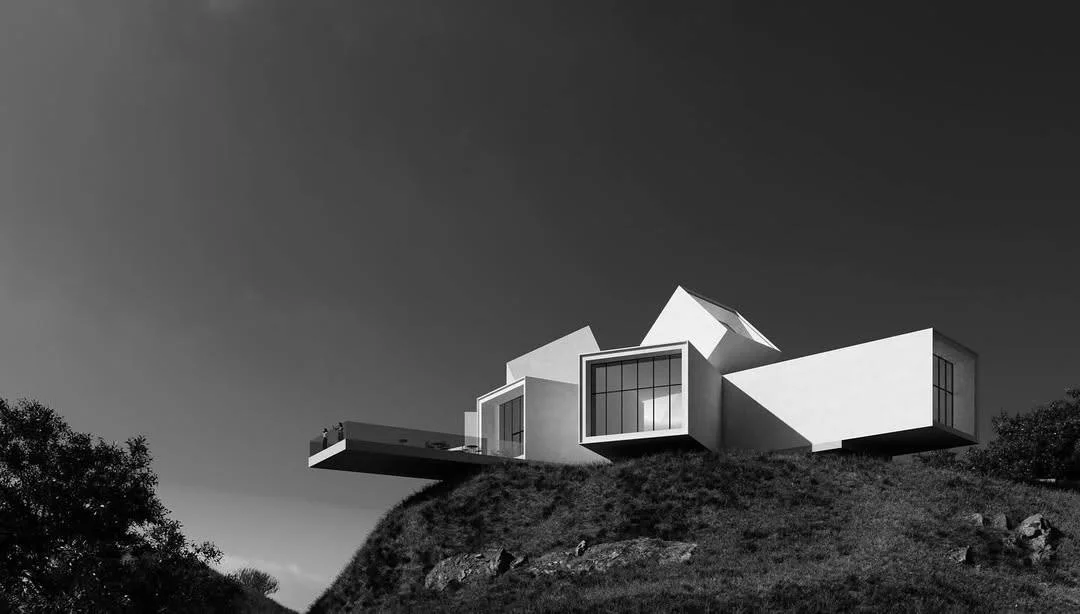
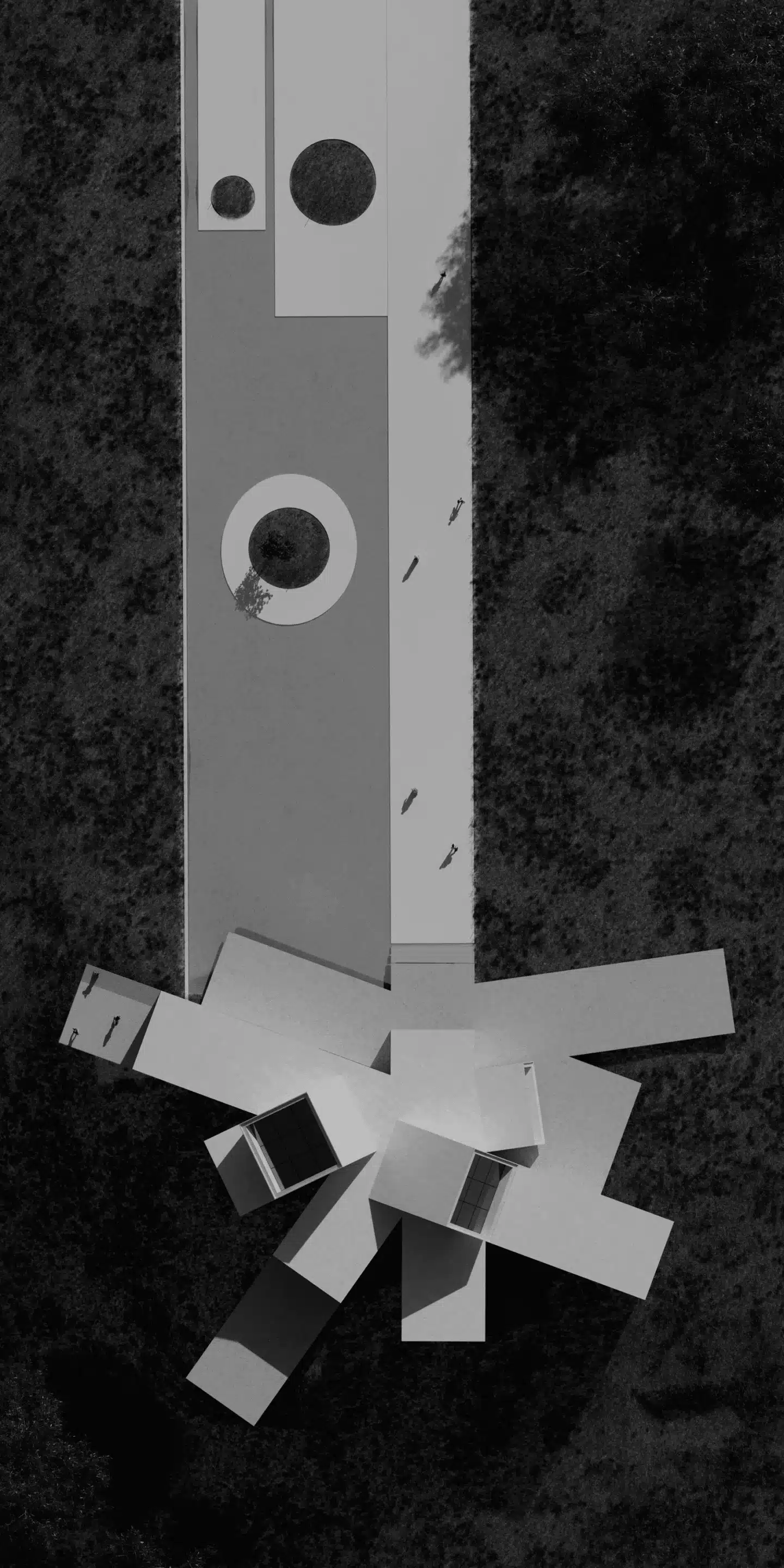
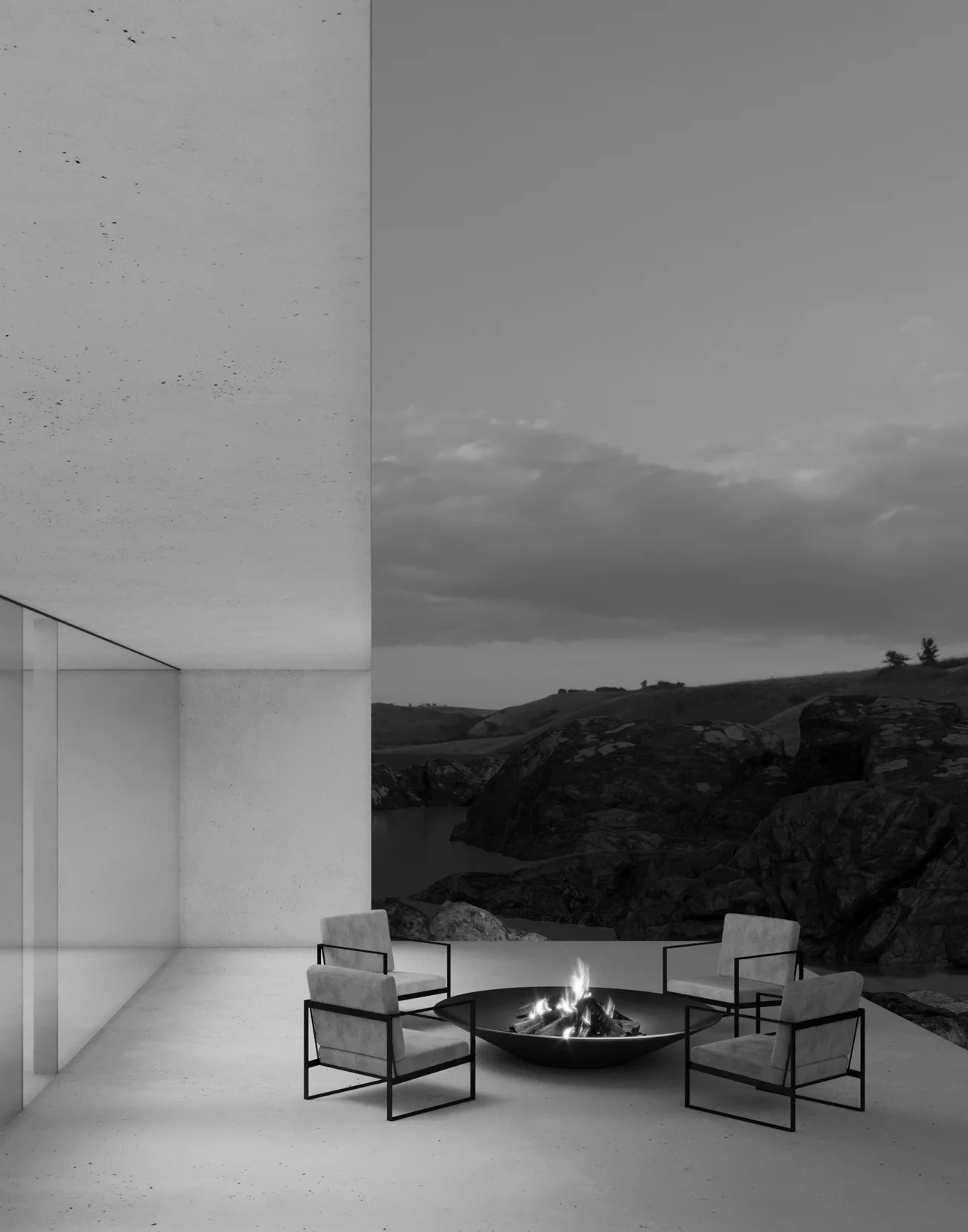
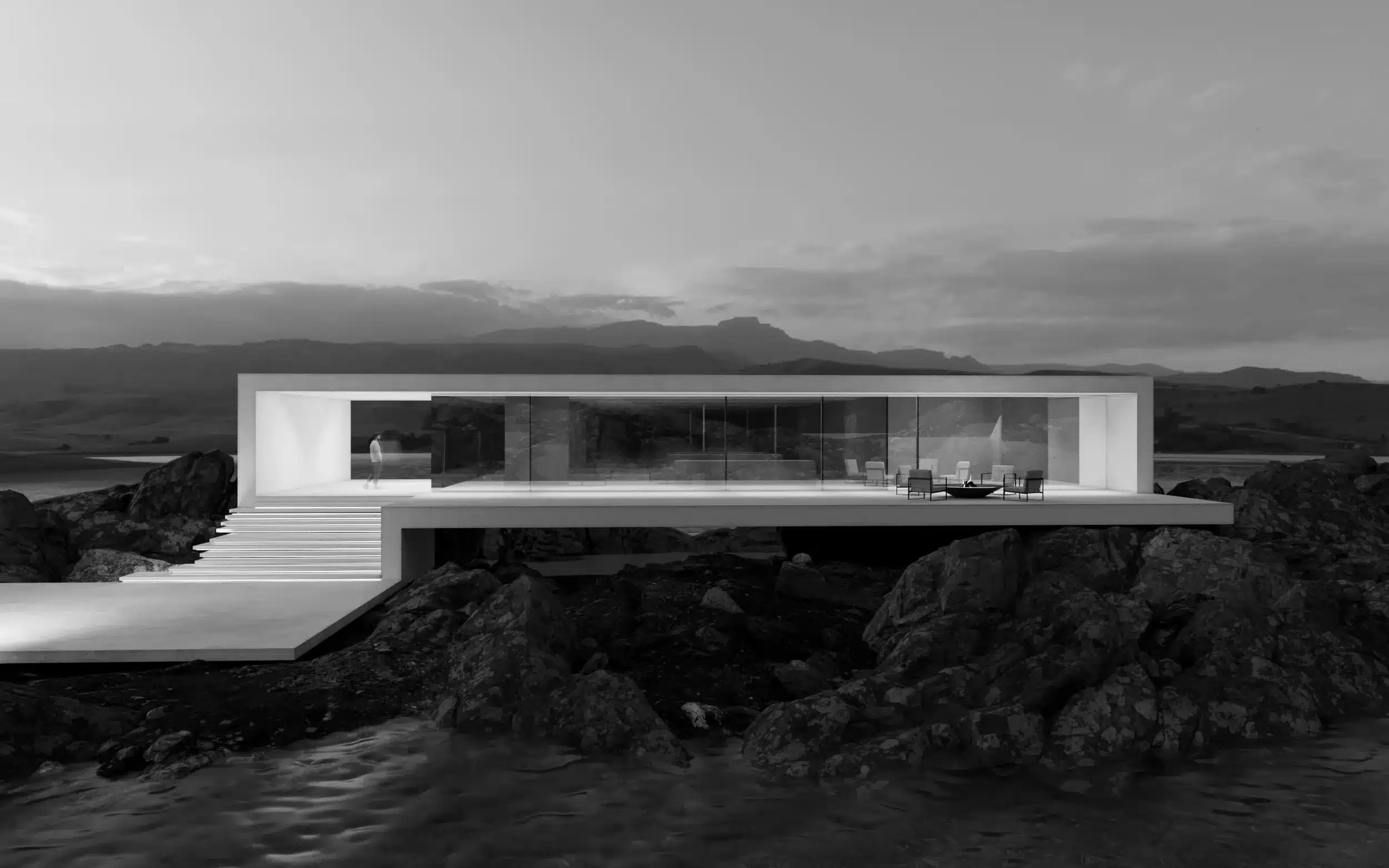
YK: Would you say that nature dictates architectural solutions? How does it influence your design process?
AV: Urban context dictates solutions rigidly, while natural context, on the contrary, subtly suggests them—leaving more room for creativity.
YK: Goethe once said that architecture is frozen music. What kind of music is reflected in your spaces?
AV: I believe I create spaces where music certainly resonates — but I am not responsible for what each visitor hears.
By the way, I love this quote; it perfectly captures our art. Now I’ll remember who said it!
YK: How important is respect for the cultural identity of a place? Should an architect listen to its history or boldly impose their own vision?
AV: Absolutely! (And that applies to every part of your question.)
That said, take Rem Koolhaas’s CCTV Tower in China—he didn’t embed anything explicitly Chinese into the project, yet the tower became a symbol of China.
I resonate with the path of “personal opinion” and ambition.
YK: Can an architect be considered a philosopher who expresses ideas in material form?
AV: A good architect—yes.
“For me, an idea is the foundation.”
YK: Is your architecture more about form, meaning, or sensation?
AV: The core narrative of our studio is Format, Form, Content.
Everything stems from one another—content (function) suggests form, form speaks to typology (content), and spatial solutions, materials, and textures allow for perception.
YK: Is an idea a constant or something flexible that transforms along with a project?
AV: For me, an idea is the foundation. It allows a project to go through countless revisions—across design stages, approvals, construction—without losing its uniqueness. Without an idea, a project simply cannot exist. As an architect, I grew up with the question: “What is the idea?”
YK: Where do the limits of what’s possible in architecture lie? Or is imagination the only boundary?
AV: Architecture is limitless—the only boundaries are the ones people impose on themselves.
YK: Modern architecture strives for functionality, but does it lose its soul in the process? How do you balance rationality and the poetry of space?
AV: I disagree with the idea that contemporary architecture has lost something. I see incredible progress—not just in the industry but in the art of architecture itself. Architecture is highly diverse and serves very different purposes. We have become more demanding, which is a good thing; standards are rising. But you can’t expect poetic expression from every residential complex.
Across the world, every day, architectural studios and firms create something deeply poetic. And that truly excites me.
YK: What is your personal architectural utopia?
AV: If I were to define my utopia, it would be the pursuit of complete fulfillment as a husband, father, and architect. I want to be everywhere, doing everything, all at once—but unfortunately, that’s impossible. I value “textures and scars”—they say more than a “smooth surface” ever could.
YK: How do you see A1 evolving in the near future? In what directions will the studio grow?
AV: We have strong expertise in designing private residences, but as seekers of meaning, ideas, and unique forms, we are deeply interested in public architecture. We’ll be working more in this direction and participating in architectural competitions.
Additionally, we want to develop and create a series of collectible objects as developers—working on projects where we set the challenges ourselves. It’s a more responsible path, but one that leads to a more holistic result.
YK: Do you have ambitions to work beyond Russia on international projects? Are there any countries or cities that particularly interest you from an architectural perspective?
AV: In my world, there are no borders.
YK: What role do you see A1 playing in shaping a new architectural language?
AV: Architecturally speaking, “we are only just learning to speak, yet we already have so much to say.”