FASHION
VIGO: a brand reinterpreting the traditions of nomadic peoples
Article
VIGO
Photography
Anna Fetkulina
Writer
Yana Karnaukhova
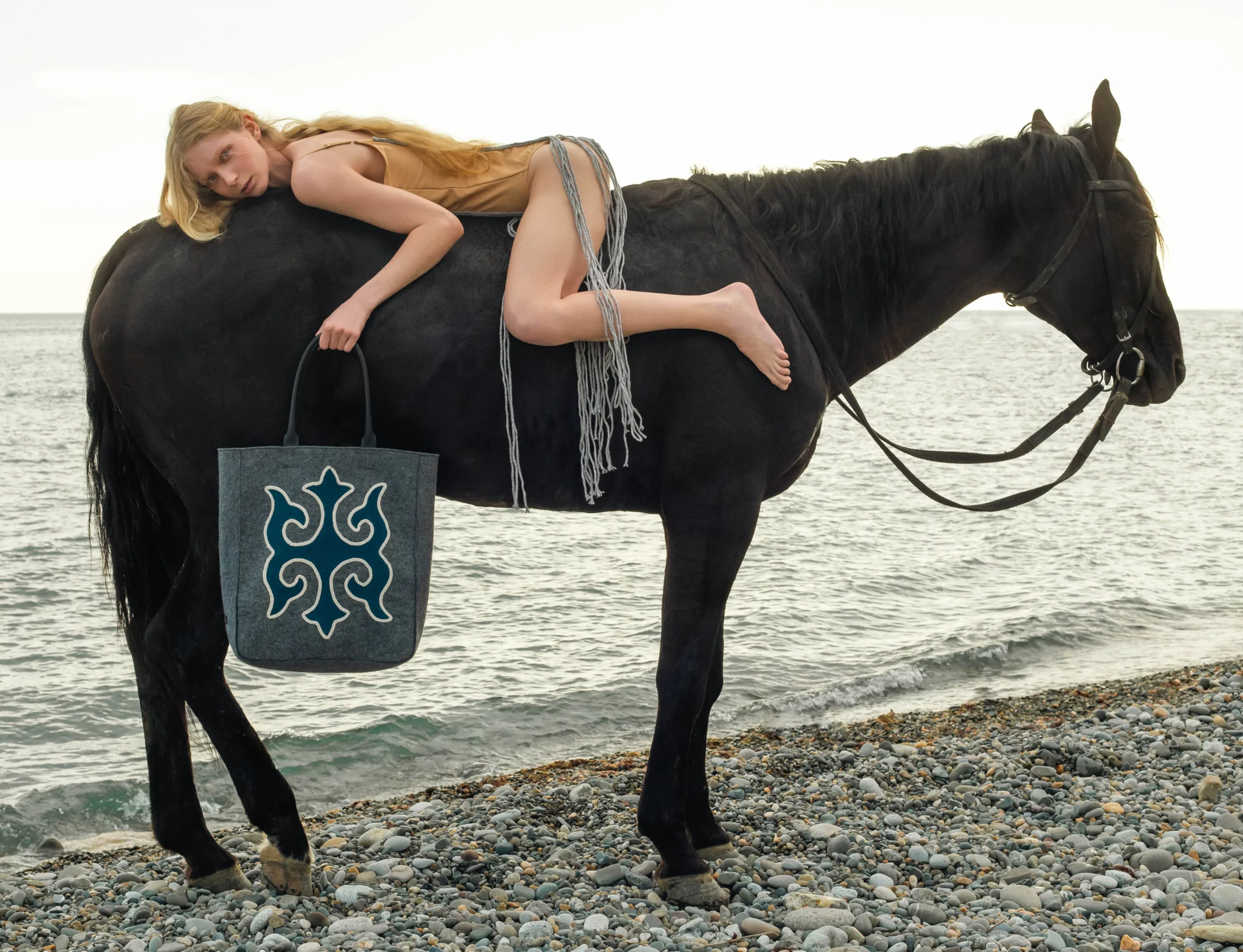
VIGO creates unique accessories where handcrafted artistry intertwines with the ornaments of ancient cultures. Each item is a legacy of centuries—a story you can carry with you.
The story of VIGO began at the crossroads of two worlds: the icy streets of St. Petersburg and the sunlit peaks of the Tien Shan mountains, between the pages of “Fairy Tales of the Peoples of the USSR” and the melodies of Cossack songs.

Victoria Chubinets, the founder of the brand, grew up at the intersection of Russian and Kyrgyz cultures. Summers spent in Kyrgyzstan instilled in her a deep respect for traditional craftsmanship that preserves generational memory, while her studies at the Stieglitz Academy in St. Petersburg nurtured her appreciation for contemporary design.
This experience later found its expression. As an adult, Victoria was captivated by felt carpets—not merely decorative objects, but living canvases, each line speaking in an ancient visual language. She felt compelled to study, preserve, and breathe new life into these traditions.
This impulse led to the birth of a brand where ornament and the texture of felted wool became the core elements.
VIGO is not just an accessory brand—it is a space between past and future, between craft and contemporary design. At the confluence of cultures, pieces emerge that combine exquisite craftsmanship with bold artistic vision. The brand reimagines the heritage of nomadic culture, weaving the ancient technique of felt carpet-making—recognized by UNESCO as an intangible cultural heritage—into functional and modern bag designs.
This technique is not mere decoration, but a bearer of deep meaning, family memory, and feminine artistry. “Girls learned from their mothers. Hand-sewn carpets accompanied them into their new lives after marriage—as talismans, as the warmth of loving hands,” says Victoria.


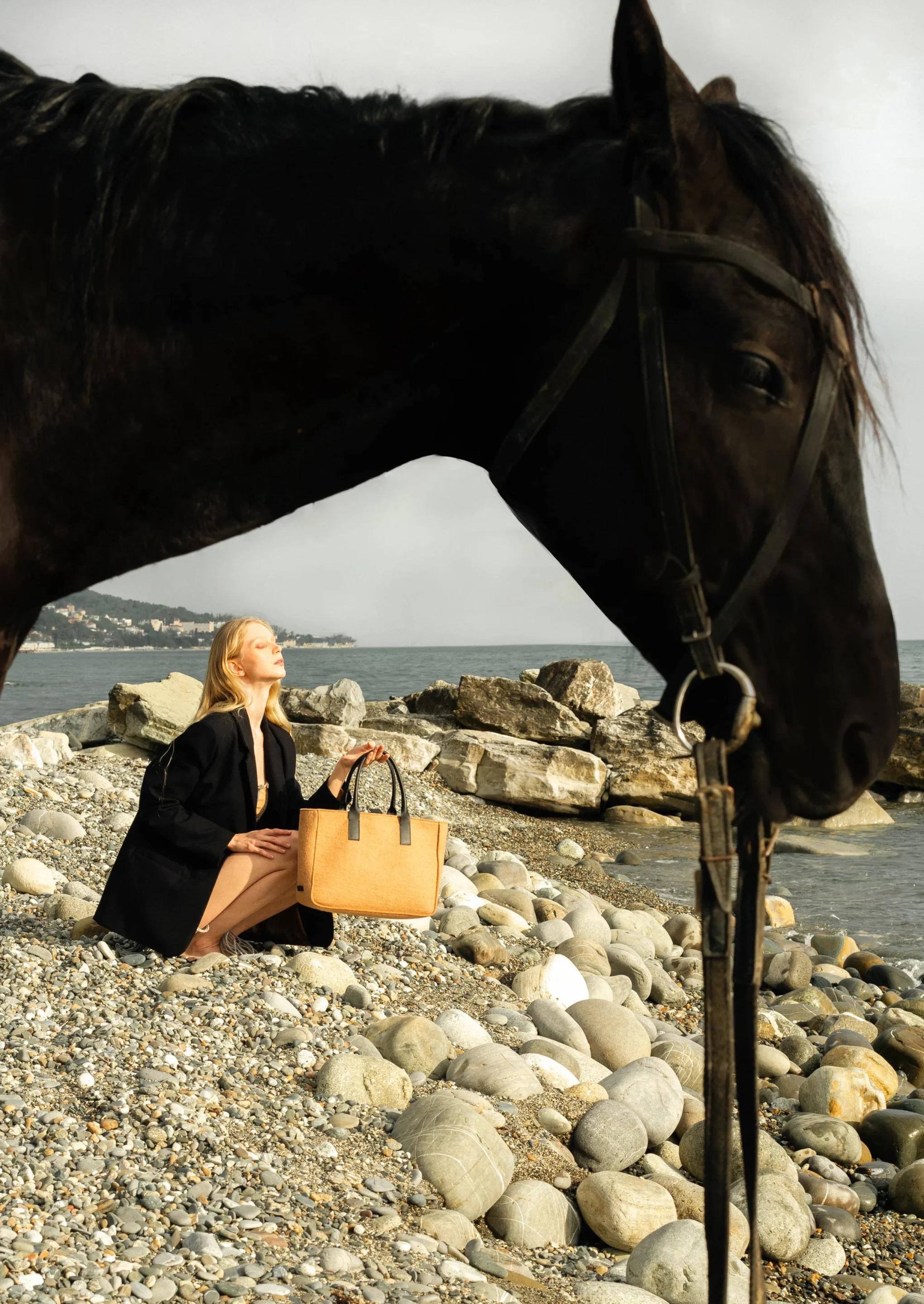
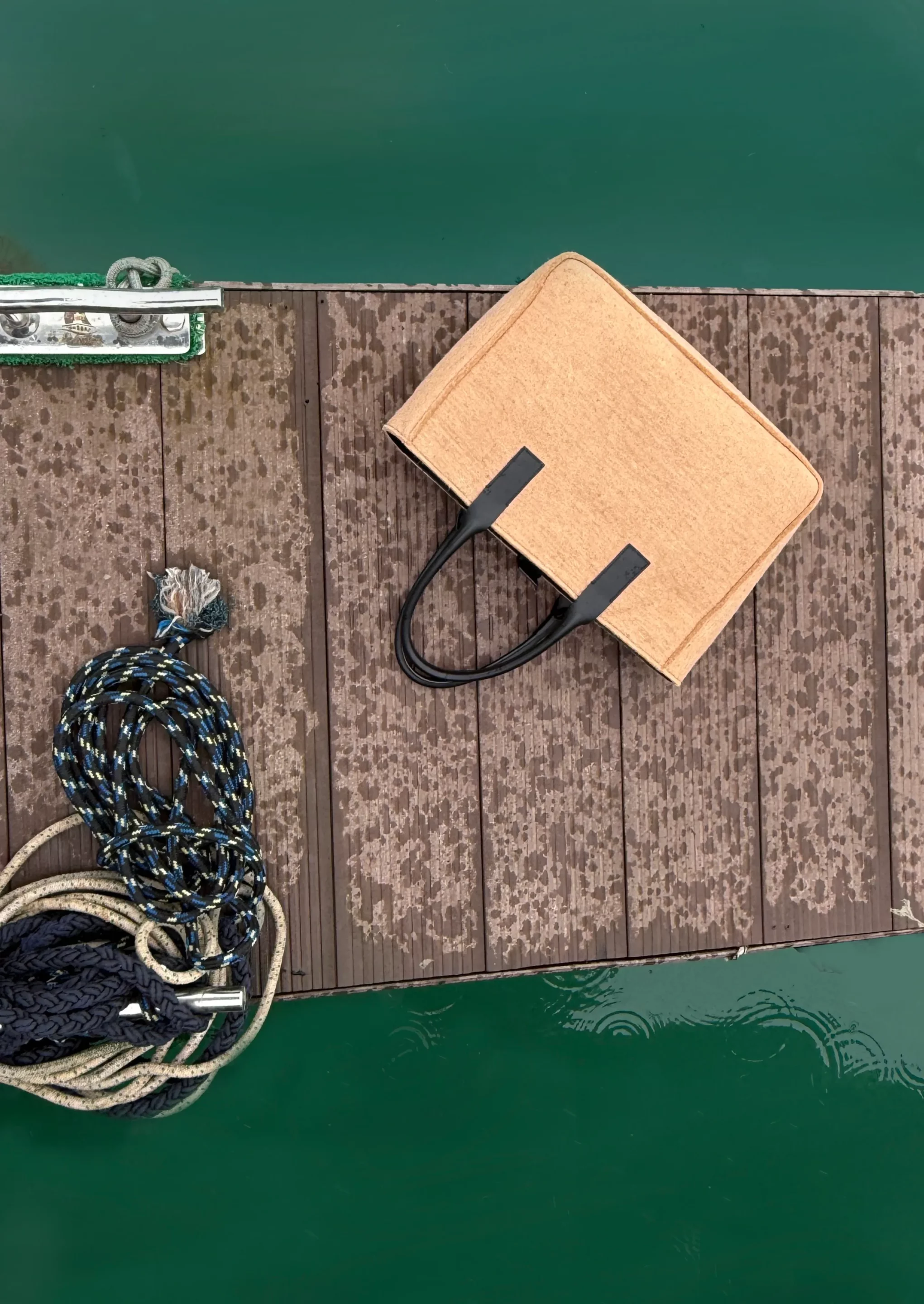
“VIGO is not just an accessory brand—it is a space between past and future, between craft and contemporary design.”
The choice of materials is an ethical statement favoring sustainability and tactile quality. At the heart of every piece is premium felted wool washed in mountain rivers, supple nappa leather, and high-quality fittings. Each bag is assembled by hand in Russia by seasoned artisans, including leatherworkers formerly employed in Bentley ateliers. In this synthesis lies the brand’s philosophy: a union of tradition and modern technology. The creation of a single piece can take up to 15 months. From sketch to final stitch, VIGO remains devoted to the principles of craftsmanship and impeccable quality.
Each collection is a complete artistic statement. Traditional carpet motifs are adapted to the contours of the bags, preserving their original meanings while gaining a new voice. It is remarkable how similar symbols can be across cultures. Whether geometric, zoomorphic, or botanical—their meanings across continents unite humanity.
Victoria believes that ornament is a language through which ancient cultures conveyed their understanding of the world and communicated with it: “Today, science, philosophy, and art are returning to these ancient symbols. And we are striving to understand this language.”
Originally, the brand intended to establish a full production cycle in Bishkek. However, local artisans employed different leatherworking techniques, and essential equipment was lacking. Thus arose a distributed model of craftsmanship and collaboration: felt is produced in Kyrgyzstan, while assembly and stitching are carried out in Russia. Today, the core VIGO team comprises six individuals, each responsible for a different facet—from concept to visual identity. This structure ensures the brand’s independence and flexibility while staying true to its values.
VIGO deliberately avoids chasing fashion trends. The goal is to create timeless pieces whose value only deepens over time. This is not a story about fashion—it is a story about substance and a mindful relationship with the objects that surround us and fill our wardrobes. It is addressed to those who appreciate depth, care about the environment, and respect the human touch. With proper care, felted pieces can last for decades—or even longer.
For instance, the Hermitage Museum houses the famous Pazyryk felt carpet, dating back to the 5th–4th century BCE. Discovered by Soviet archaeologists in Altai in 1949, the carpet is a large white felt panel embroidered with vibrant, colorful figures.
It is worth noting that the techniques and traditions of felt carpet-making have been preserved among many peoples across Russia—in Altai, Buryatia, Bashkortostan, Chechnya, and Ingushetia. The art of felting remains widespread across our land. That is why one of VIGO’s creations became perhaps the world’s first felt boot-bag. Crafted as a unique piece, it aims to draw attention to valenki (traditional felt boots) as objects of cultural heritage, worthy of admiration and reinterpretation.
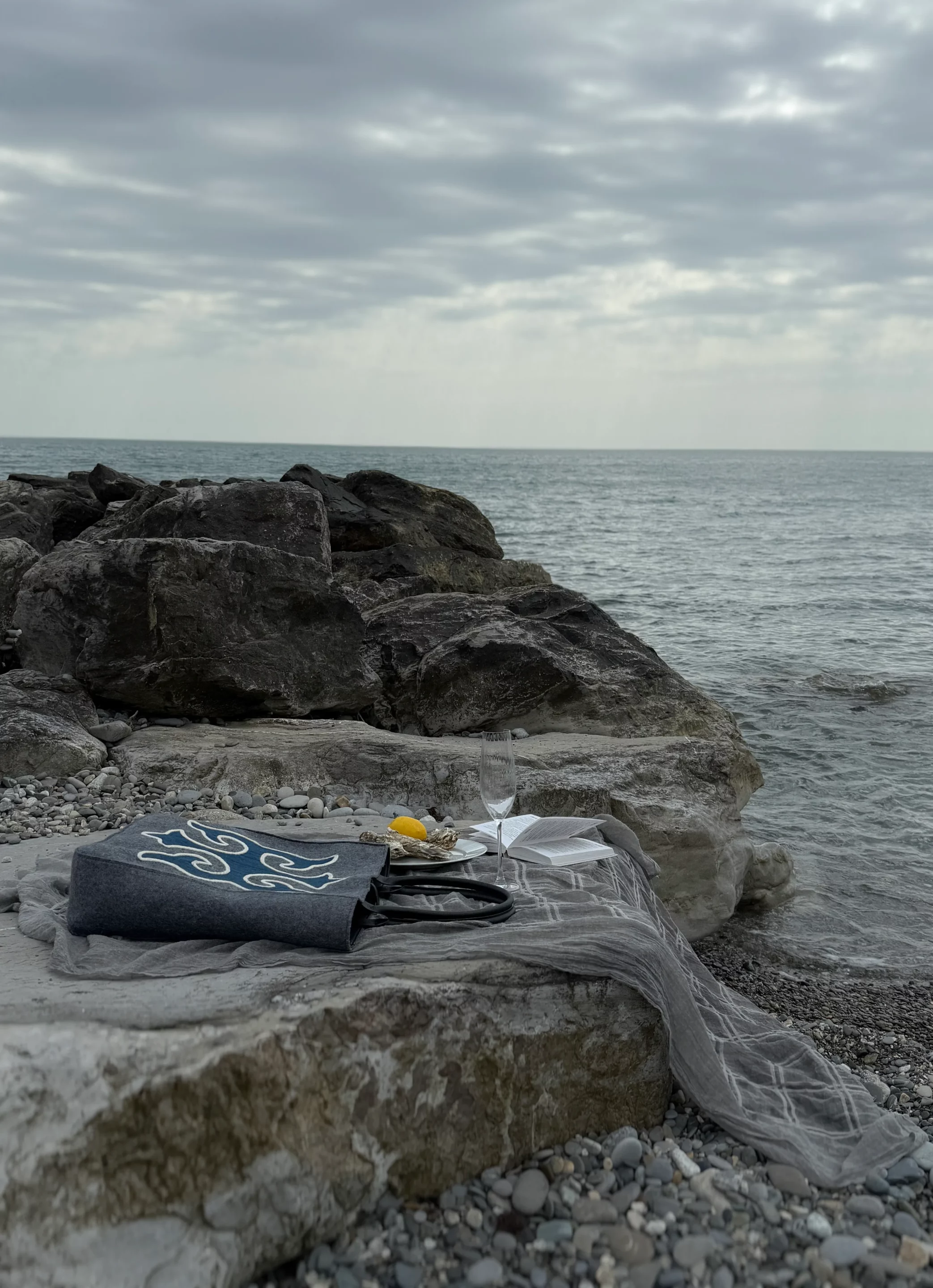

“Every piece is an invitation to self-discovery, self-love, and a deeper connection with the world.”
Looking ahead, the brand is preparing a collection dedicated to water—as a symbol of movement, memory, and life across different cultures. VIGO invites us to seek our identity through our roots, to feel our connection to the heritage of ancient civilizations that are part of our shared human story, and to embrace the opportunity to slow down and find inner balance.