DESIGN
SHELVES: A Quiet Practice of Form and Feeling. An Interview with Ksenia Romanova
Article
Ksenia Romanova
SHELVES
Writer
Yana Karnaukhova
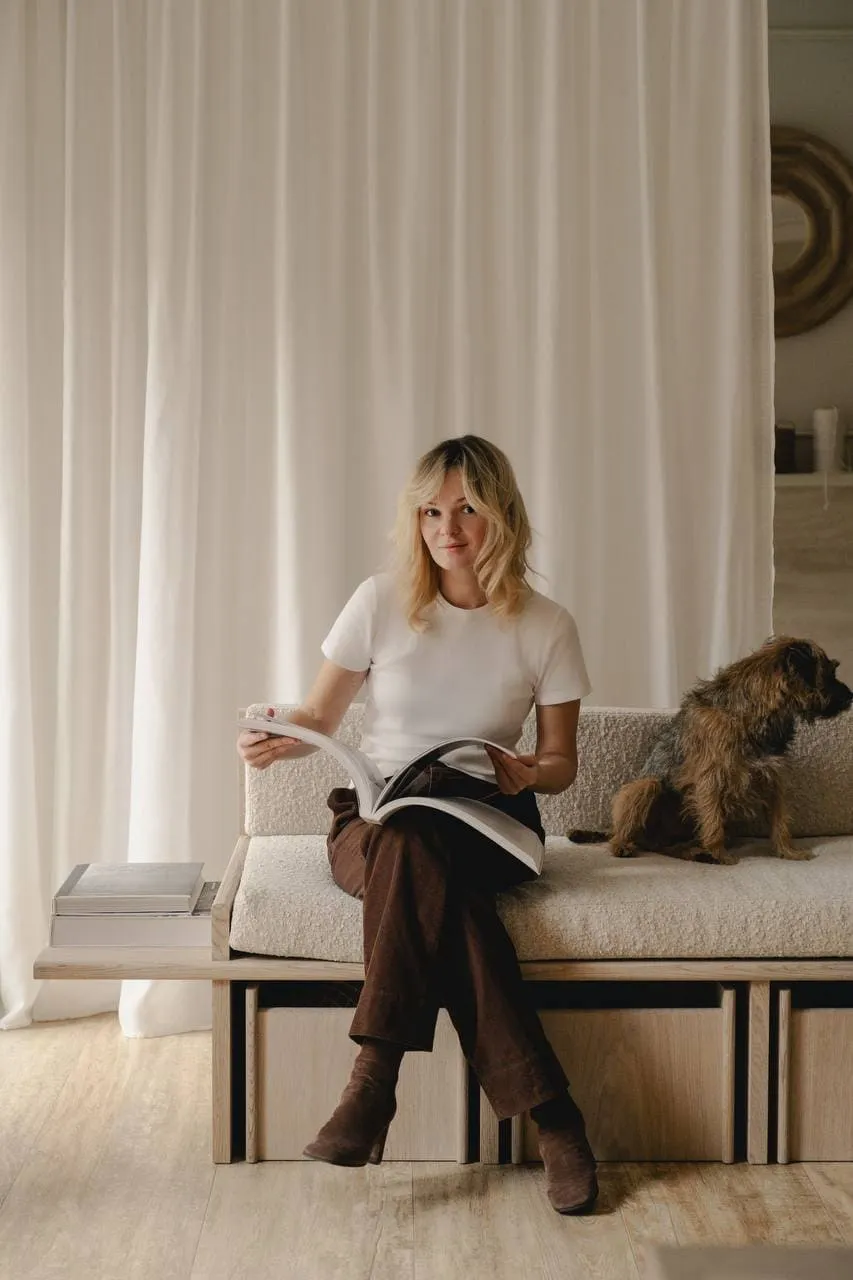
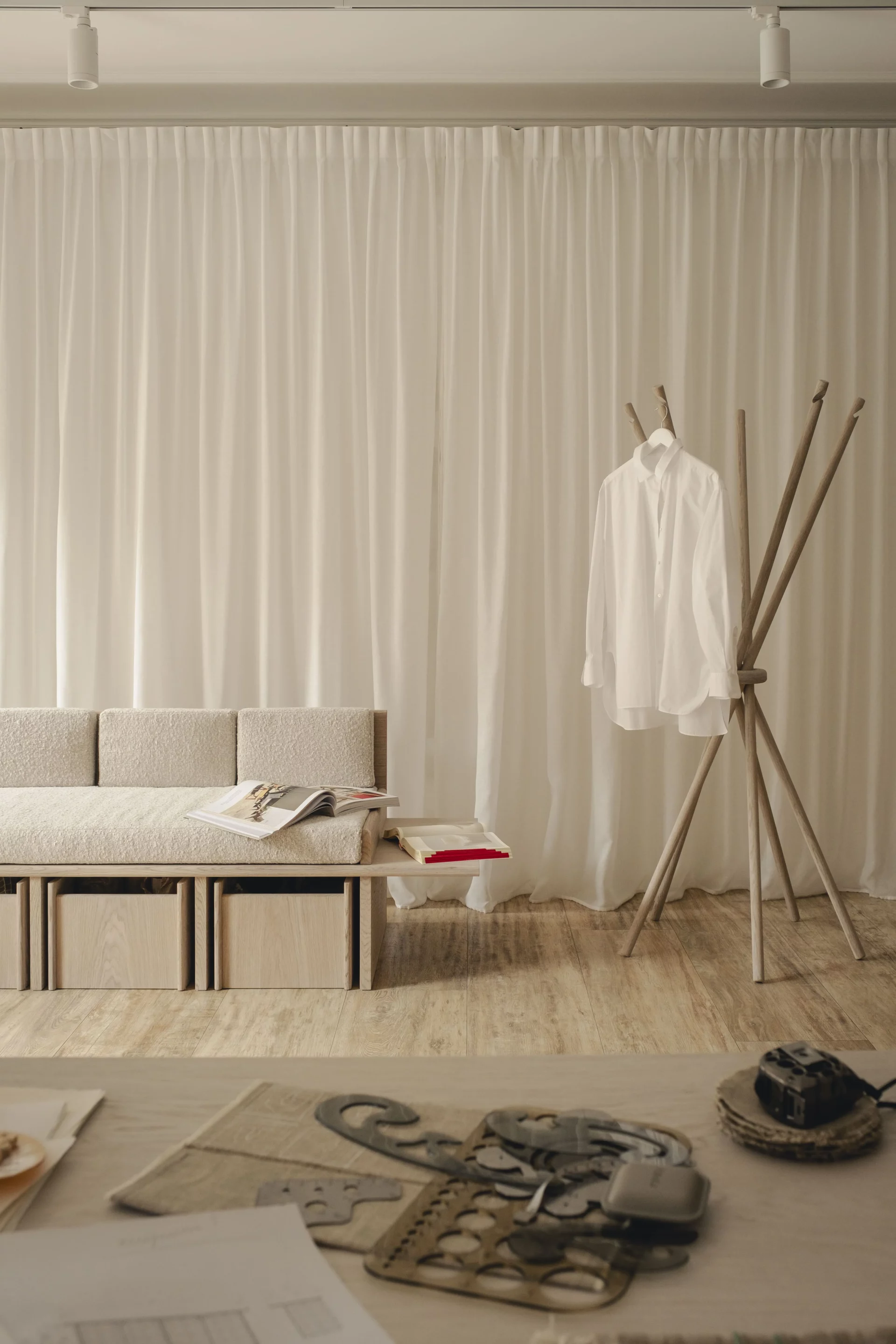
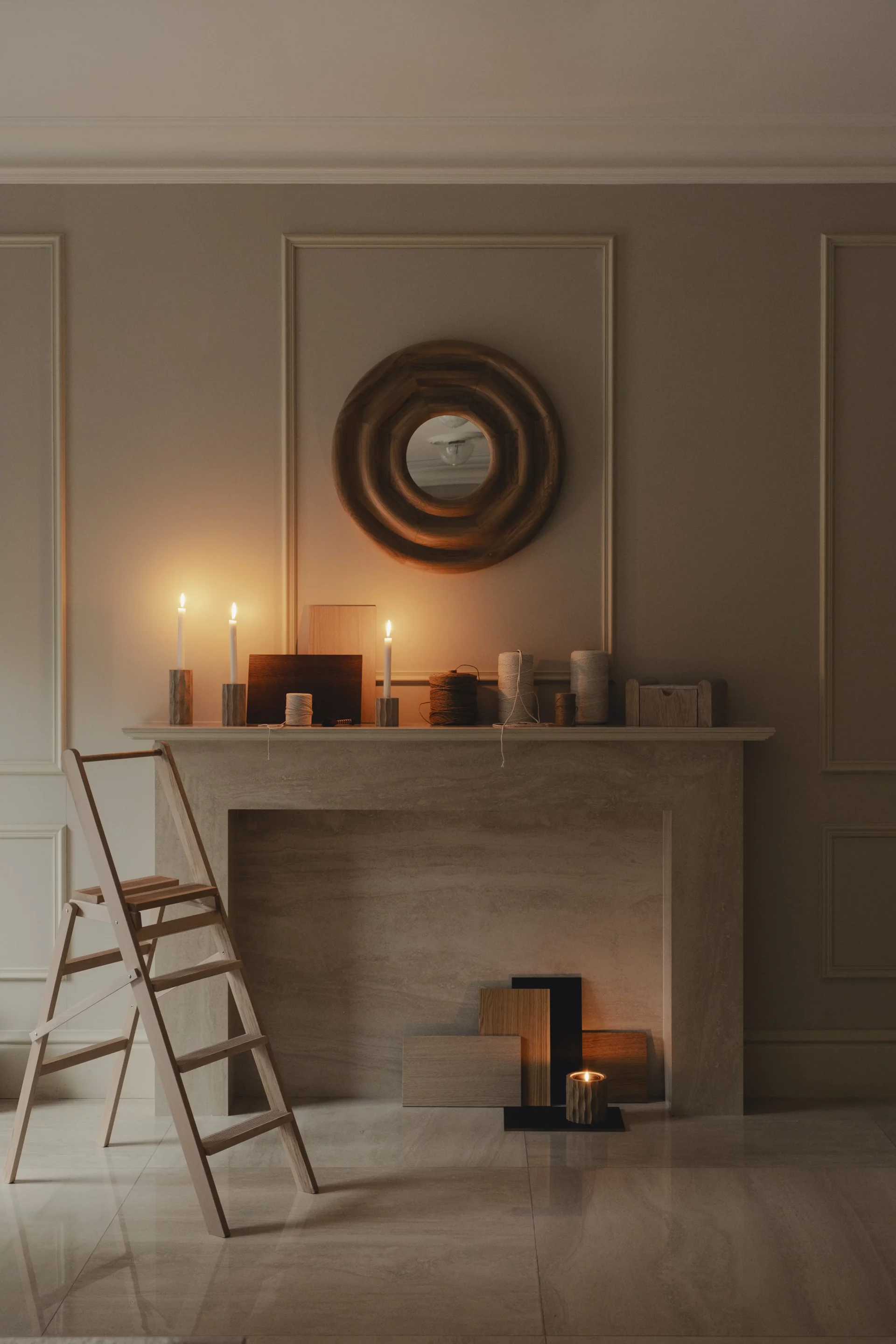
SHELVES is a young experimental studio where product design is united with contemporary art and selection of hand crafts. Its founder Ksenia Romanova, former fashion journalist, created a «by appointment only» space in Moscow downtown where she shares her passion for design pieces and interior architecture. Here you can find freestanding furniture and lighting created by Ksenia, art by some of her favorite artists and a selection of home decor objects produced by Russian artisans.
Yana Karnaukhova: Ksenia, you’ve worked with leading glossy magazines — Vogue, Harper’s Bazaar, Interview, GQ. What prompted your shift from the media world to a more intimate, tactile realm of art and design? Where did this journey begin?
Ksenia Romanova: Apart from the beautiful things I always worked with in fashion, creating a magazine itself felt like a kind of magic every month. That moment when you hold a freshly printed issue in your hands: the tactile sensation of flipping through the pages, checking the fonts, the colors, and inhaling that unique mix of fresh ink and perfume (back then, it was still common for beauty ads to include scented product samples).
I joined Vogue in 2007—those were the golden years of print: no bloggers, no Instagram, no digital mags yet. Being a Vogue editor meant being one of the privileged few who could actually “touch” the world of high fashion—attending shows, trying on couture, and then sharing it with the readers.
But as everything became digital, something essential was lost. Fashion became too fast, too accessible, too easy to consume.
More than six years have passed since my last printed issue, and honestly, I still miss editorial work so much that I sometimes dream I’m back in a team meeting, planning the next issue.
Yet fashion, art, and architecture have always walked hand in hand. Throughout my career, I met many people who transitioned from fashion to art, or from architecture to fashion. And of course, we know designers like Raf Simons, Rick Owens, and Hussein Chalayan who created collectible furniture, and numerous artists and architects who collaborated with fashion houses.
So it doesn’t seem strange that my own focus gradually shifted—from fashion to art and product design.
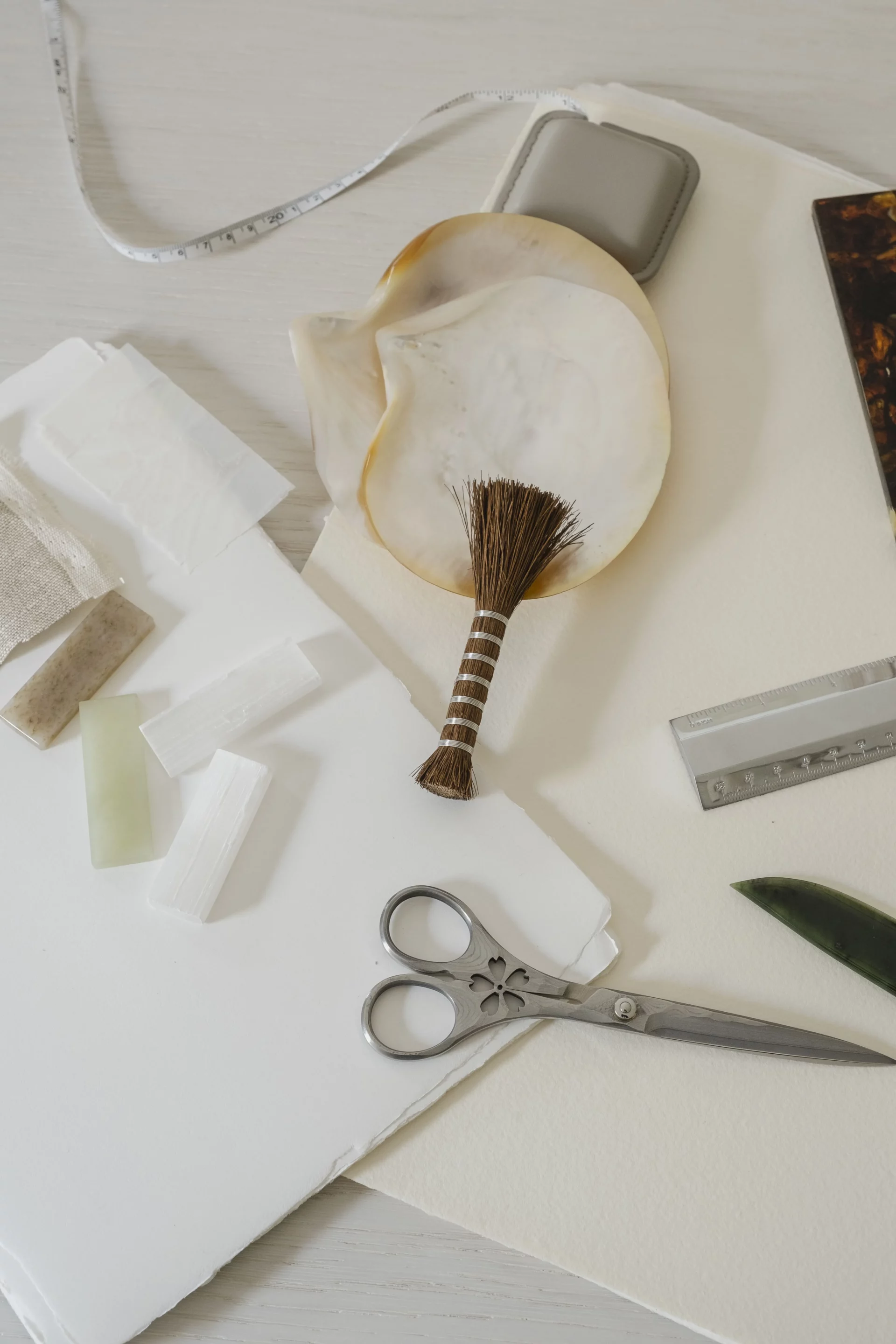
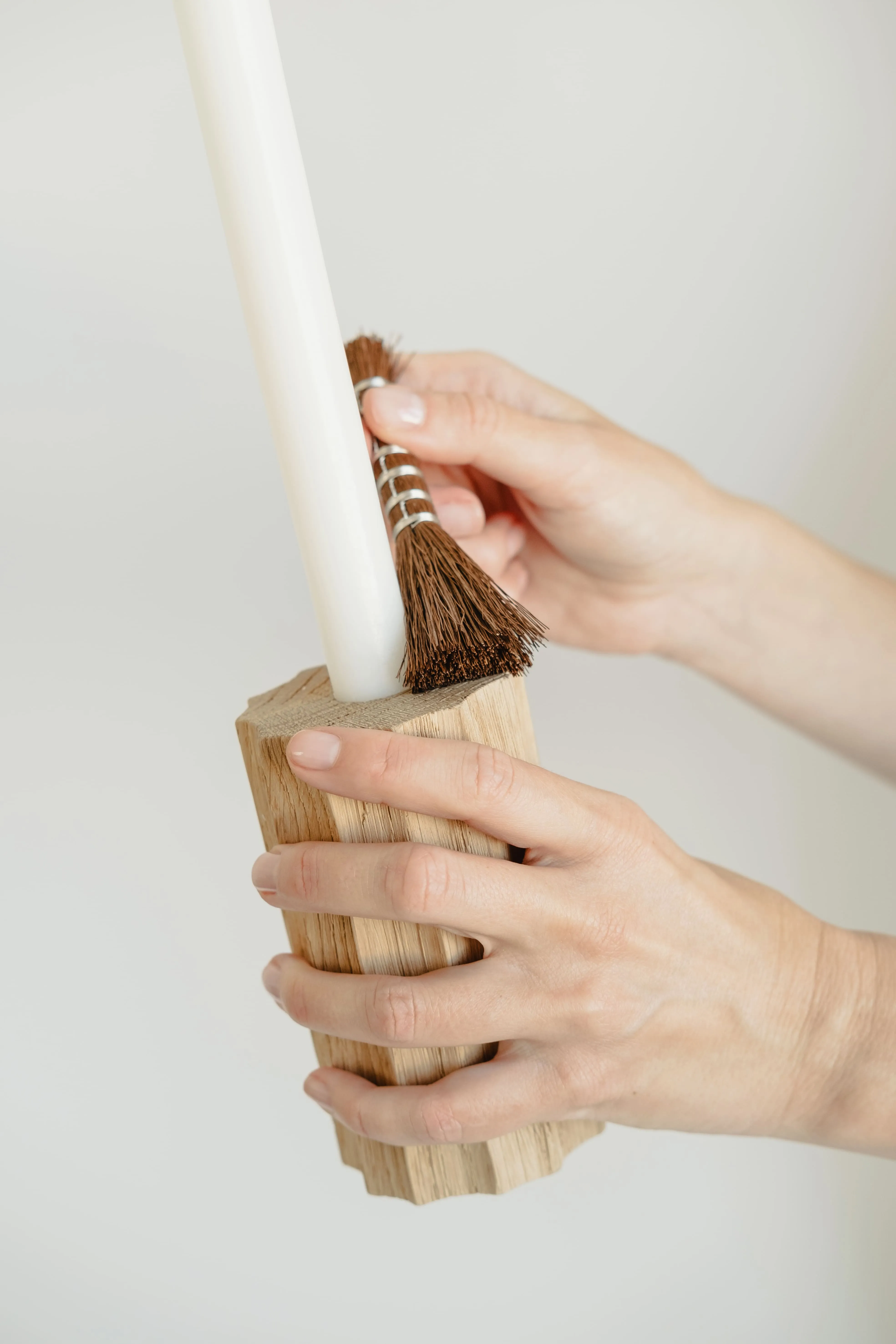
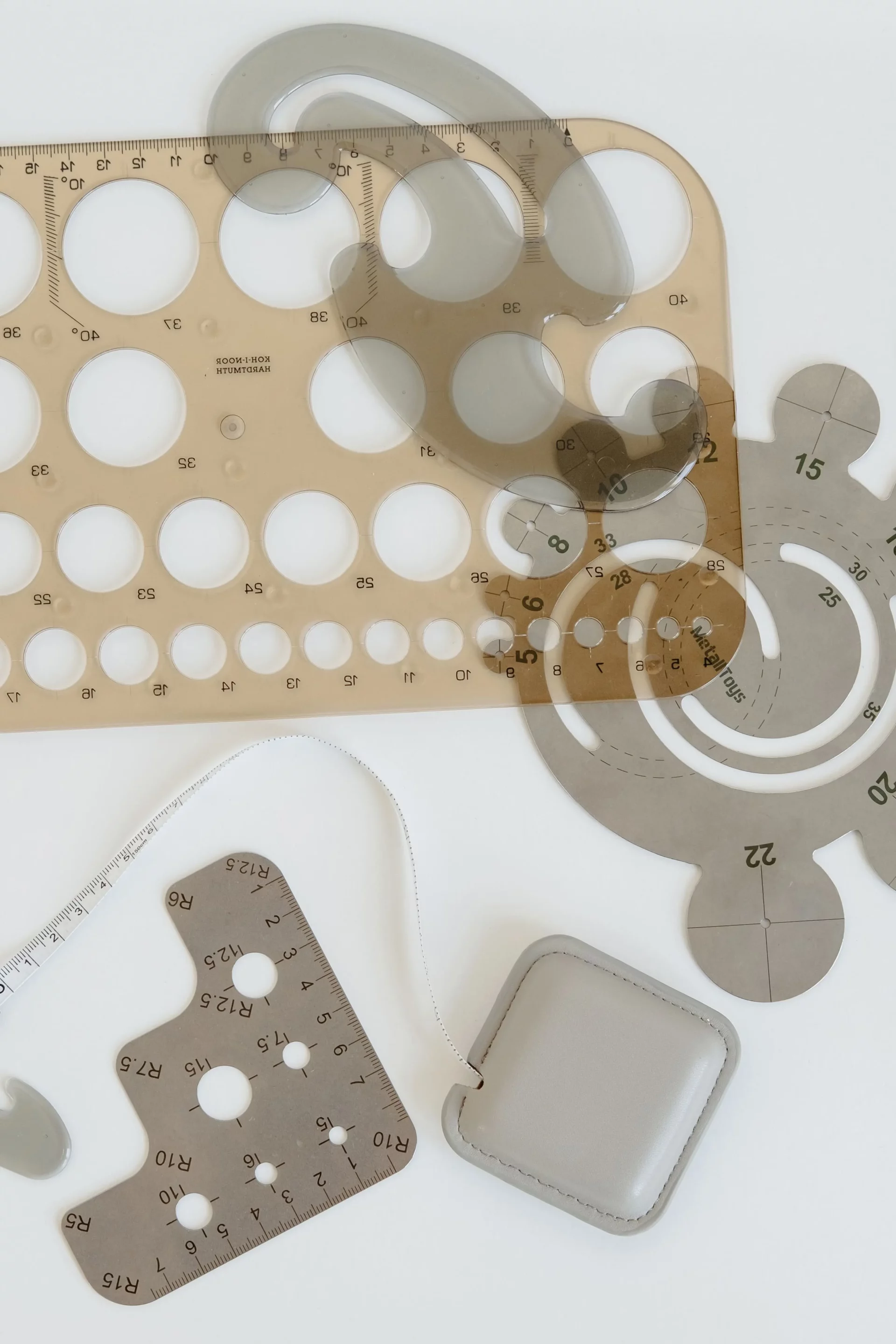
“Everything matters: its shade, its texture, whether it’s handmade or organic, the way its edges are torn or trimmed, whether it’s glossy or matte.”
YK: Your transition started during the process of building your home — a time of rethinking and restructuring. How did architecture and shaping your personal space influence your entry into the art world and collecting?
KR: No matter how much we love what we do, repeating the same thing every day can lead to boredom. At one point in my fashion career, I realized I was no longer interested in dressing people. At the same time, I had a revelation: “dressing” a home could be just as thrilling—and far more meaningful.
That’s how it all began, with the dream of building my ideal country house. I’ve never lived in a rented apartment. It so happened in my life that I never lived in a rented apartment, my living space always meant much to me: it’s not just a place to eat, sleep and store my life luggage. To me home is like a mirror reflecting my inner self. That’s why I couldn’t imagine hiring a designer without immersing myself in the process. I didn’t have much experience with architecture at the time, but my journalistic background helped me quickly dive into studying art and interior design.
Around the same time, I got married and moved into a flat that had just been renovated by architects for my husband. Long story short—I didn’t like it. But it was so new that starting over felt criminal. So I searched for a compromise. That’s when I began collecting art—filling the walls and shelves with pieces that made me feel truly at home.
YK: You’re not just a collector — you bring back local, small-scale artworks from your travels. What draws you to this particular scale? What is it about “small forms” that resonates with you?
KR: People often ask how to build a valuable art collection. One answer I’ve heard is that size matters.
A) The more you collect, the higher the chance one of your artists will become a star.
B) If you’re lucky enough to buy early, owning a museum-sized work will pay off when the artist rises to fame.
While I don’t disagree, I do the opposite.
I love contemporary art, but I divide it into two categories: the works I admire from a distance, and those I need to live with. The first stays in galleries or museums, the second comes home with me—often in miniature form.
Since I don’t use storage and want to see my collection daily, I tend to buy small: paintings, prints, sculptures. Once I tried counting the pieces in my small, modestly decorated bedroom—I stopped at 18.
Choosing petite forms lets me create a sense of density and intimacy, even in compact spaces.
YK: As someone who calls herself “a paper person,” you’re especially drawn to works on paper. What moves you in this material — its fragility, its simplicity, or perhaps its invitation to an intimate dialogue?
KR: My career began with paper—and I still prefer carefully curated print media over digital.
My art collection also began intuitively with works on paper.
Part of the reason is practical: paper is compact.
But the deeper reason is this: unlike a silent, empty canvas, paper speaks—even when blank.
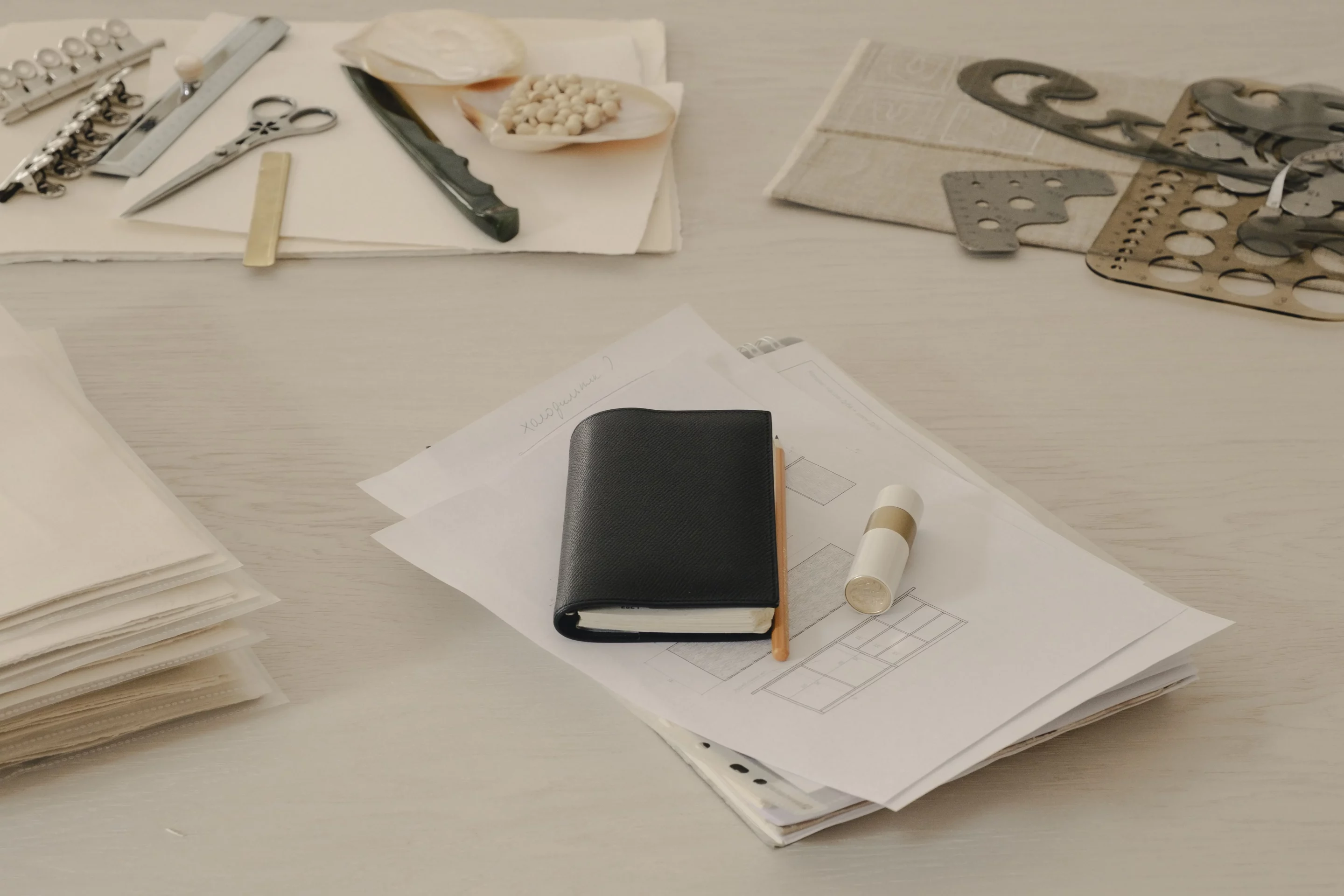
Everything matters: its shade, its texture, whether it’s handmade or organic, the way its edges are torn or trimmed, whether it’s glossy or matte.
Paper communicates in many ways: through written words, drawn images, or even as an origami sculpture…
“Curiosity is what shaped my journey as a collector. “
YK: Over time, you moved from collecting to creating. What triggered that shift? Was it a desire to understand the process from within, to search for a personal language through materials, or perhaps a need for meditative, manual work?
KR: The shortest answer to your question is one word: curiosity.
Curiosity is what shaped my journey as a collector.
I started collecting design slowly, trying to define my own sense of what moved me—not just what was worth buying, but what was worth its price.
To understand the process better, I decided to create something myself.
At the same time, I was missing a few objects and details in my home, so there were plenty of reasons to start—and no reasons to hesitate.
YK: That’s how SHELVES came into being — a space for experimentation and form. Why did you choose this particular name? What meaning does “shelves” carry for you — a surface, a platform, a silent keeper of something special?
KR: Even before launching my first design or production experiment, I felt the need for a separate digital space for my art and design journey.
After 12 years in media, my personal account was filled with fashion references.
So I created a new one—fully dedicated to my evolving philosophy of home.
And the name came to me all of a sudden: SHELVES.
It felt completely right.
YK: You’ve mentioned that wherever you are, the space gradually transforms into a shelf. Is that a metaphor for the quiet tension between your love for minimalism and your impulse to collect and fill space with meaning?
KR: I’m a failed minimalist. I can’t live in “empty” spaces.
But I admire purity, structure, and clean lines.
I like being surrounded by physical memories: books, artworks, photographs. I dislike objects without history or character.
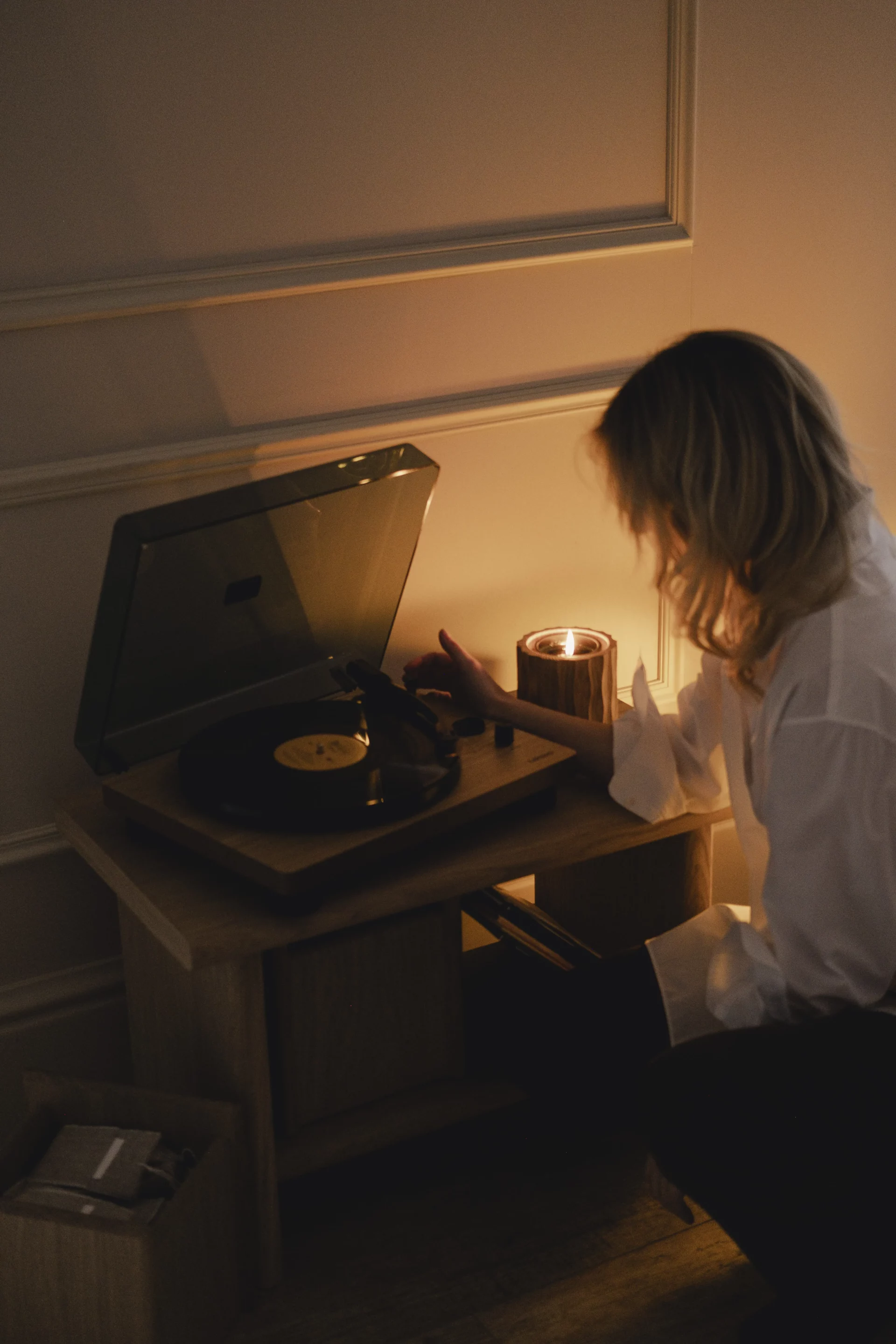
Though I respect mass-market design that has changed the world, I avoid disposable things, even if they’re useful. I love rituals. I wash dishes with a sea sponge I brought from Greece. I eat sushi with hand-carved jade chopsticks. This approach became the philosophy behind SHELVES—a life of aesthetics that I now share through my project. And yes, it’s true: every surface around me eventually becomes a shelf, a home for the many small things I love.
YK: You work with deeply expressive materials such as wood, amber, jade, cotton, and linen. What draws you to them — their natural energy, texture, warmth? Or the possibility of expressing your own vision of beauty and functionality through them?
KR: I choose organic materials over manufactured ones, because I’m attracted to how they link us with nature, they are a never-ending invitation to slow down, meditate and experiment. What do you feel when you hold a plastic spoon? and what if it’s made of mother-of pearl?
YK: Frank Lloyd Wright once said, “Form follows function.” How does this principle manifest in your practice? Where do you draw the line between sculpture and utilitarian object?
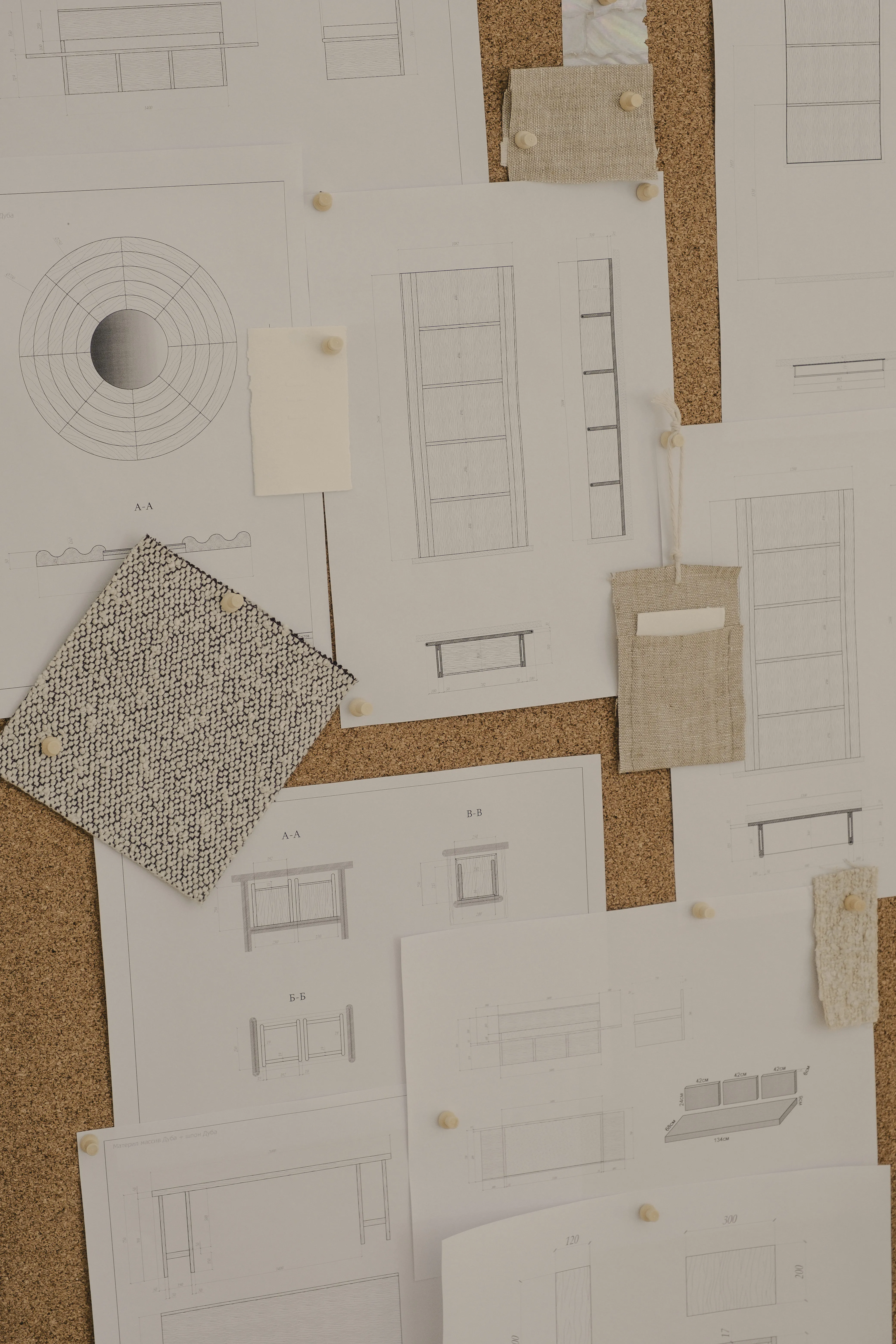
KR: I believe that good art always starts from emotion and good design begins with idea & function. So whenever I create a new object I start with a list of functions it can possess. I ask myself questions such as: how often do we use a dining table as work desk? How many shelves or drawers do we use daily? Do we occasionally transform small tables into chairs or vice versa?
“When you meet the right person, you just know.”
YK: You describe SHELVES not as a business, but as an ongoing, functional experiment. What have you discovered so far in this process? What matters most to you — the form, the process itself, or the state of being it invites?
KR: To be honest, I still can’t decide which part of the process I love most. But once I started (and I’m not even sure when that was), I simply couldn’t stop. There’s no business plan behind this project.
I just love studying design history, experimenting with forms and materials, and getting feedback from people who use my pieces.
There’s no beginning and no end to this—it’s simply a part of my life.
YK: How would you define the nature of the objects you create within SHELVES? Are they functional pieces, art objects, emotional artifacts? What role are they meant to play — to organize, to animate, to provoke tactility, or perhaps something else entirely?
KR: When you meet the right person, you just know.
The same is true for objects. You sit on a chair and realize—it was made for you. I believe the relationship between people and objects is deeply intimate. Not everyone will like the objects I create or choose for my studio. But I always hope they’ll find the right person—and make someone’s life better.
YK: Finally, how do you envision the future of SHELVES? Do you see it growing, entering into dialogue with other artists, spaces, galleries — or do you prefer it to remain an intimate, personal experiment for a kindred audience?
KR: My entire life and career taught me one thing: plans can always change, but what is important to have and to keep is your own vision and style. I never planned SHELVES, I just had my passion and at some point simply couldn’t stop: brick by brick one day I woke up to realize I have a name, some product lines, couple of art collaborations and even a separate studio space where I can work and meet people who inspire me to go further. It all happened in just couple of months and none of that was actually planned…
So I don’t plan much, but I love dreaming.