ART
Paying Tribute Through Graphics:
YK in Conversation
with Liza Artamonova
Article
Yana Karnaukhova
Liza Artamonova
Photography
Writer
Yana Karnaukhova
Is it possible to capture inner transformation through layers of snow, ice, and the architectural echoes of the Soviet past?
Artist Liza Artamonova answers this question with a series of graphic works in which the all-women Antarctic expedition “Metelitsa” finds a new dimension — one that feels almost fantastical, yet profoundly human.
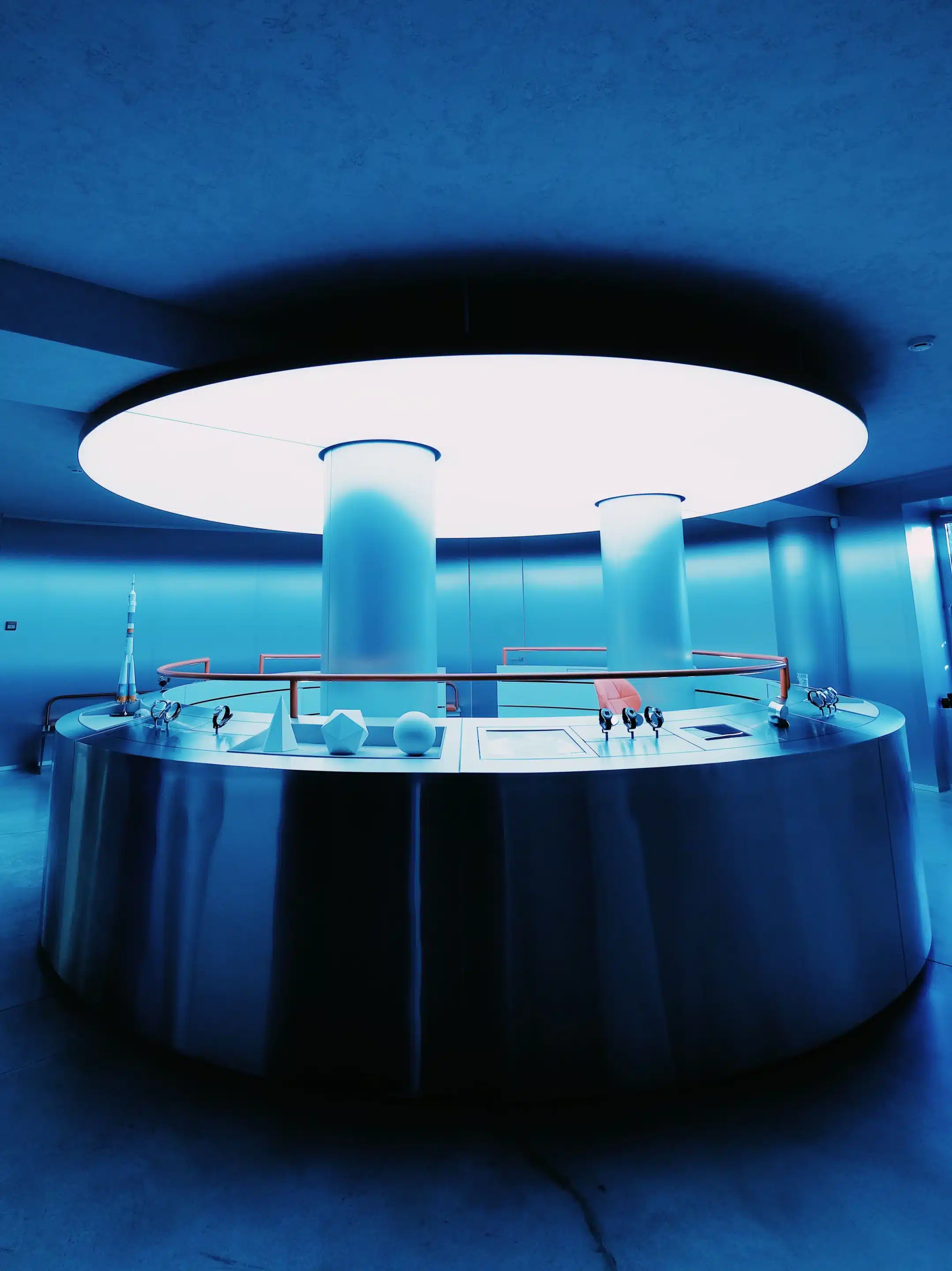
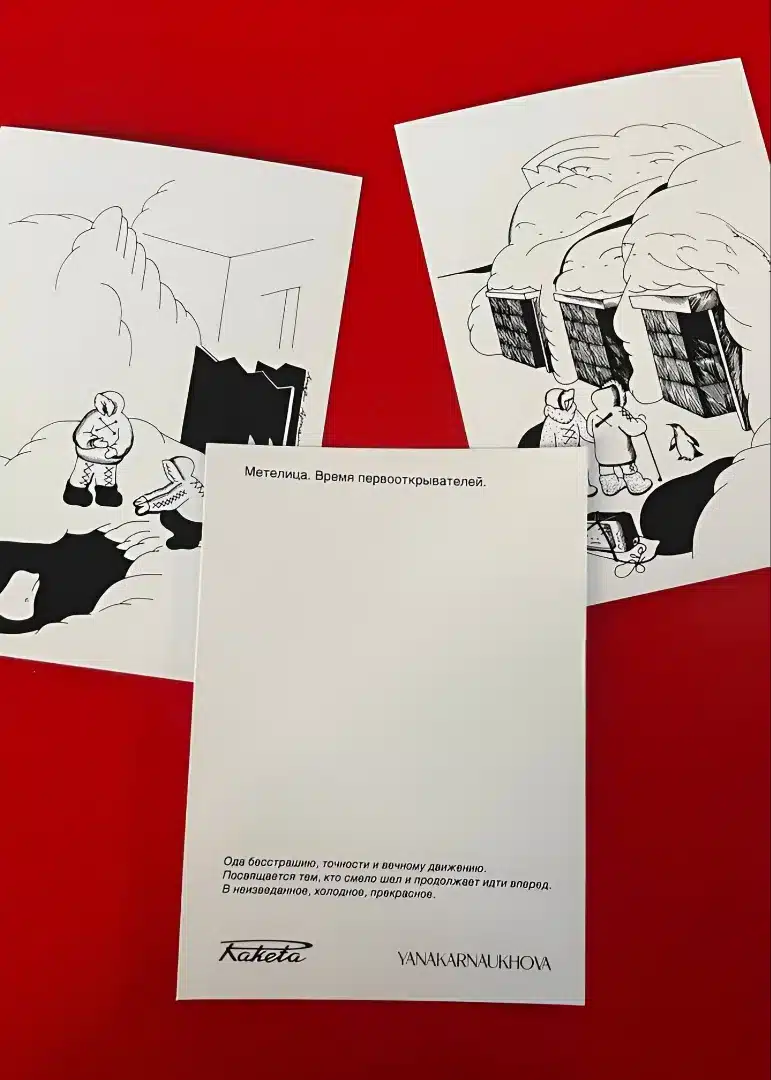
The project began as a limited edition of postcards for the legendary Raketa watch factory, but soon expanded into a full-fledged exhibition within the factory’s own art space in Peterhof — the first of its kind in the venue’s history. We spoke with Liza about how metaphysics emerges through linework, why we should listen to “the silence of snow,” and how architecture can be not merely a backdrop, but a participant in the story.
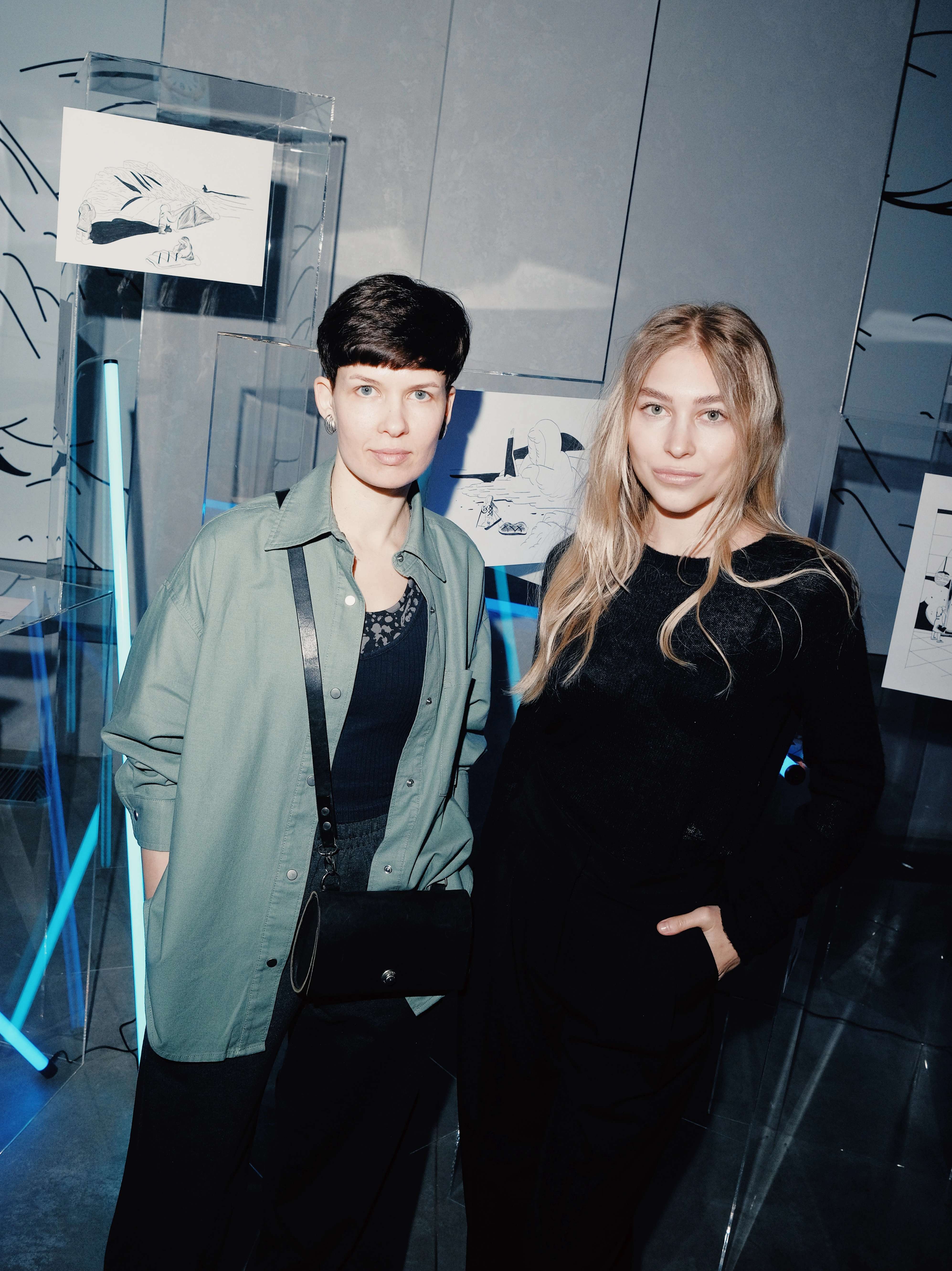
Yana Karnaukhova: Liza, let’s go back to the beginning.At first, this was just an idea for a limited-edition set of postcards for the Raketa Watch Factory. At what moment did this idea transform into a proposal for a full-scale exhibition at Raketa’s art space in Peterhof? You became a true pioneer—being the very first artist to explore this venue as a gallery. What were your thoughts on this?
Liza Artamonova: The offer to hold an exhibition came completely unexpectedly. Credit must go to the Raketa team for their trust in my artistic practice. I suppose it was one of those rare moments when “the stars align.” As everything developed rather quickly, I took the position of not only an active participant but also a curious observer. I wanted to see where it would lead.
YK: When we started talking about the “Metelitsa” expedition, you immediately connected with the theme. Coincidentally, you also found out that your friend had spent half a year on a nuclear icebreaker, cutting through the silence. That became your “low start.” Looking back at the female-led expedition, what struck you most about “Metelitsa”?
LA: It was a curious overlap of stories—of heroines and unfamiliar territories.
When I first learned about Metelitsa, I felt an internal surge. A state where your chest seems to physically expand as you breathe—what we might call inspiration. I believe this reaction was a kind of gift from the expedition members to anyone who discovers their story. There’s something left in that space—an intangible energy, a non-verbal echo of their actions.
Perhaps they created not only a record of achievement, but waves of spirit and self-belief. And if one listens closely, those waves can still be felt today.
YK: I remember you telling me about unexpected links between the life of Valentina Kuznetsova and your own surroundings.
How did it feel to discover that? Did it seem like her story had found you?
LA: There’s definitely something symbolic about it. I might be looking at the same buildings that once framed Valentina Kuznetsova’s everyday life. I couldn’t ignore this detail—it became one reason why I integrated fragments of Soviet architecture into my graphic series.
I even found out that a ski trail near me, in a forested park, is named in her honor. I read that she was assigned to a workplace in the southwest of Moscow, which is where I live. I imagine she trained in the very same areas I see outside my window.
“Each series develops its own metaphysics.”
YK: Your graphic work evokes a sense of frozen time. You’ve said that space develops by its own rules. What kind of rules are these, and how do they manifest in your works?
LA: Each series develops its own metaphysics. In this case, it created a kind of scientific-fantasy environment, and I’ll explain why.
While preparing for this series, I read extensively about the Arctic and Antarctic—studying climate patterns, routes, research stations, and watching documentaries like Werner Herzog’s Encounters at the End of the World.
Most of the inhabitants of Antarctica are scientists. This fact, combined with my memories of the Soviet fascination with sci-fi, the architecture outside my window, and reflections on an era that deeply believed in higher ideals—all merged into a single concept that I then translated into visuals.
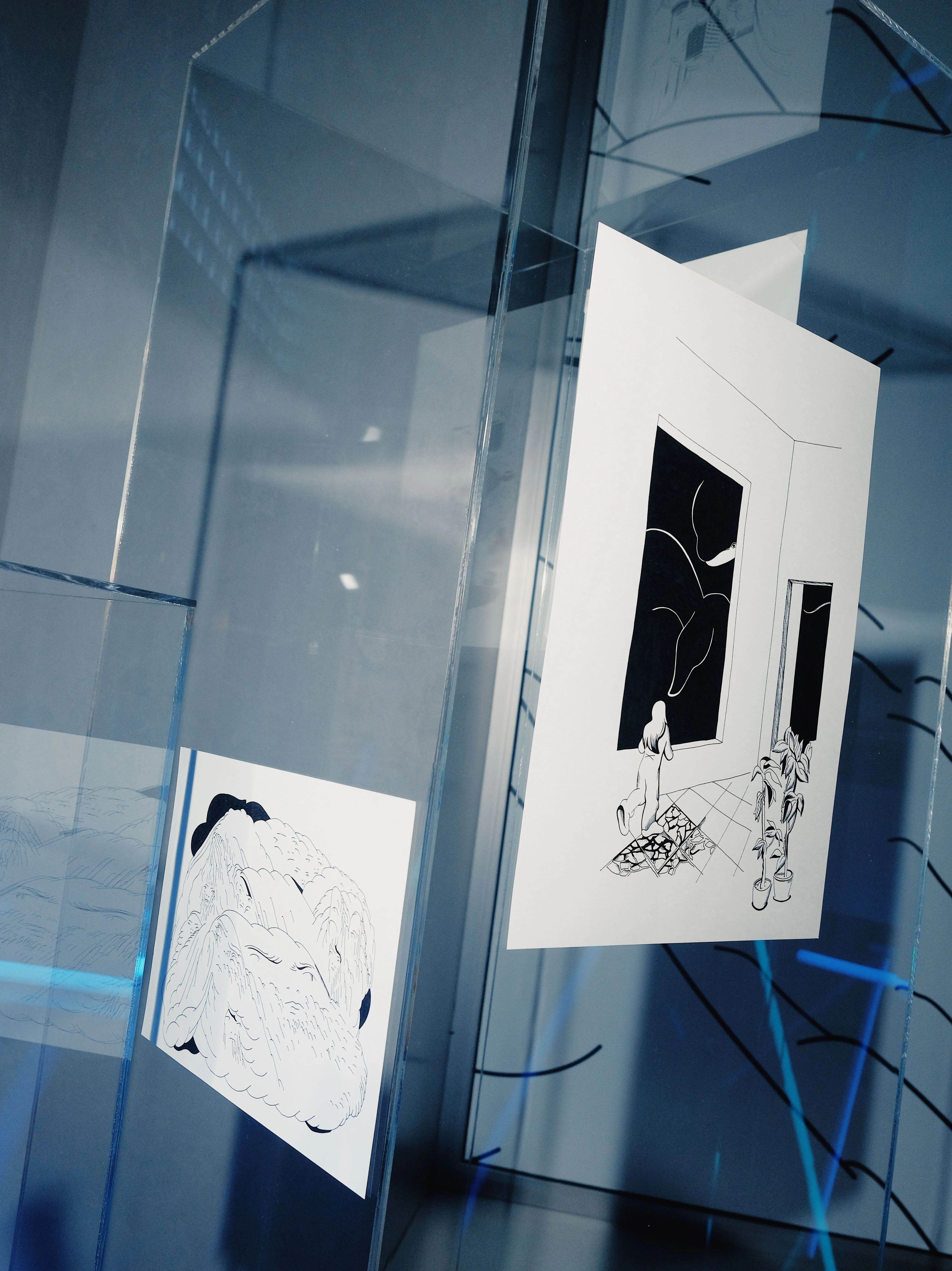
I imagined myself as a science-fiction author. In this invented space, Soviet women researchers have founded a scientific settlement: the “Metelitsa Institute.”
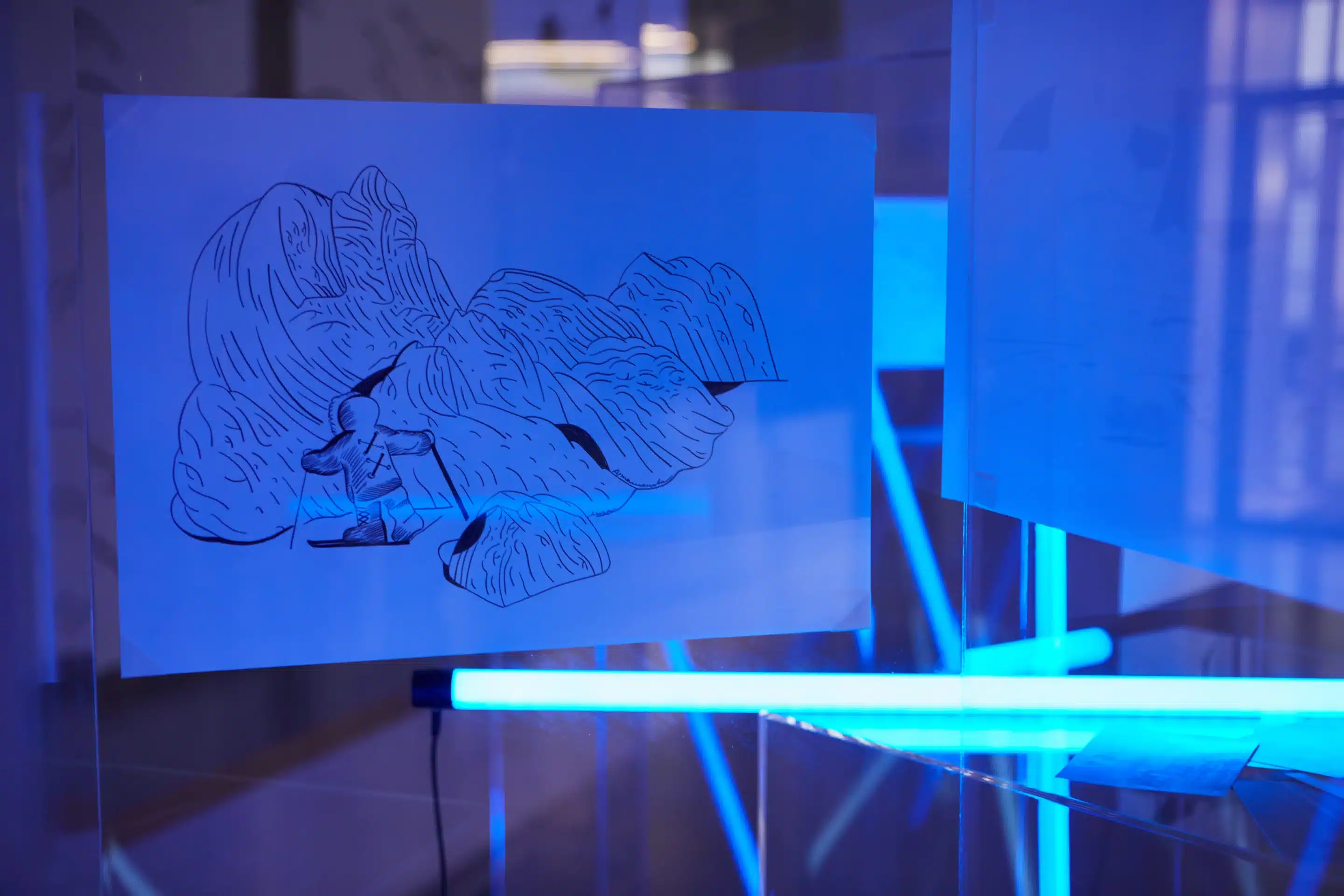
The town, built in classical Soviet fashion, is surrounded by snowdrifts. Its research buildings descend underground. Despite the extreme environment, entrances are cleared daily, ready for the scientists’ routines.
In the lower levels, they observe passing giant squid. Penguins sometimes wander through town. As in any research community, the town captures moments of both work and leisure.
YK: The space in your works isn’t just background — it feels alive.
You say it watches the expedition’s participants. What kind of gaze did you give this space? Is it approving, empathetic, curious?
LA: The space watches. It doesn’t judge or interfere—it just observes. But it is very much alive. It reflects back the inner gaze of the people within it. It amplifies attention and mirrors their perception of themselves.
YK: The theme of the inner journey keeps returning.
These women challenged not just nature, but themselves. How did you express this in your work?
LA: The surrounding landscape echoes that inner path.
Being in a place where there’s only cold and white all around—such an environment becomes a trial of faith.
Different religious texts describe such trials as a process of taming inner doubt. There’s a profound hint in the idea that “despair is a mortal sin.” Despair means doubting your own light, your divine part, your trust in space itself.
In the artwork, I placed a massive mountain figure rising behind a skier. It silently watches her. This is the symbolic presence of the self—an internal mirror, tracking your every step and thought.

YK: This project began with a simple idea—postcards for Raketa—but evolved into a layered exhibition uniting art, history, and industrial heritage.
How would you describe this journey? What was it like working with such an unusual partner—a historic watch factory?
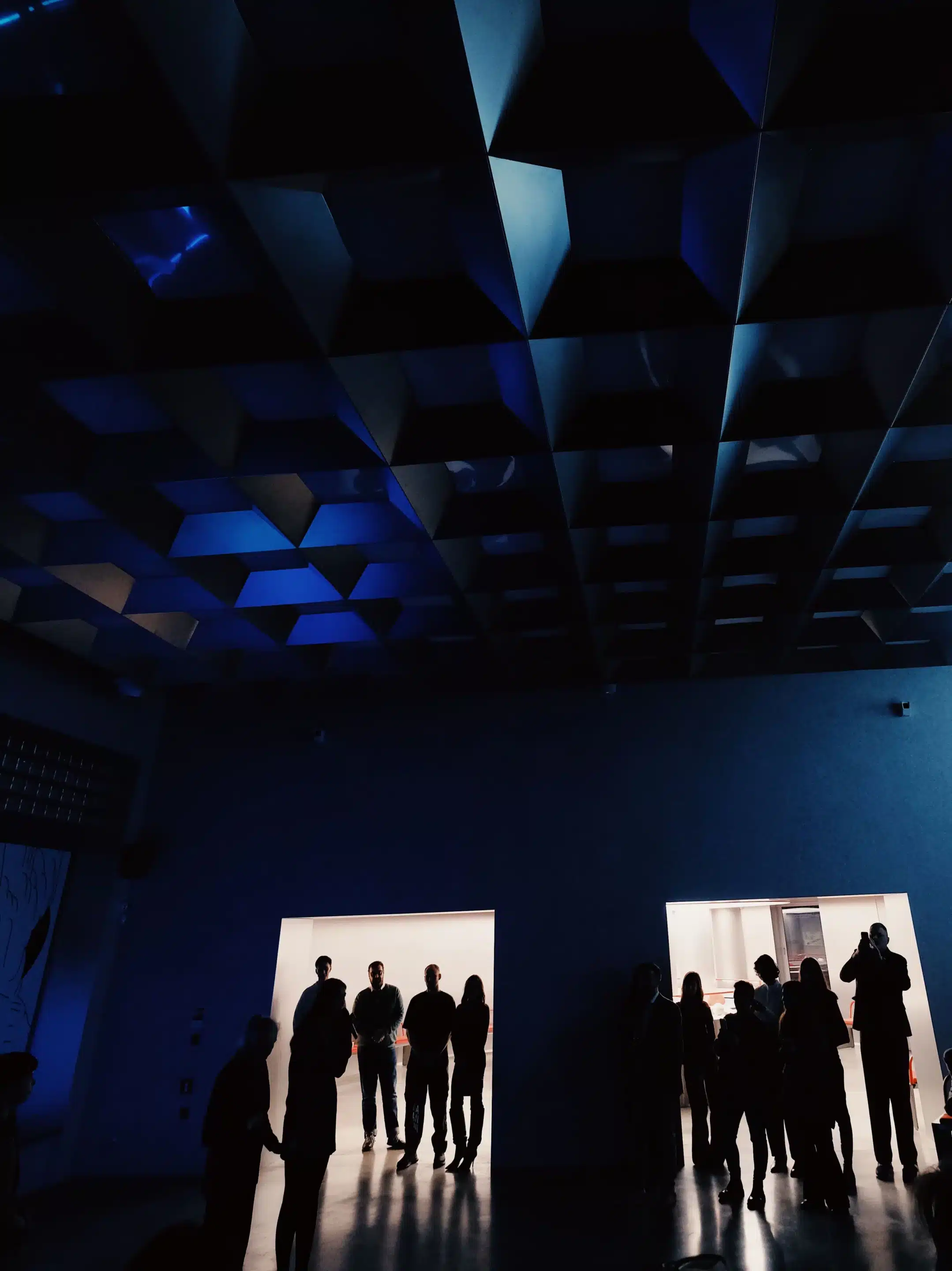
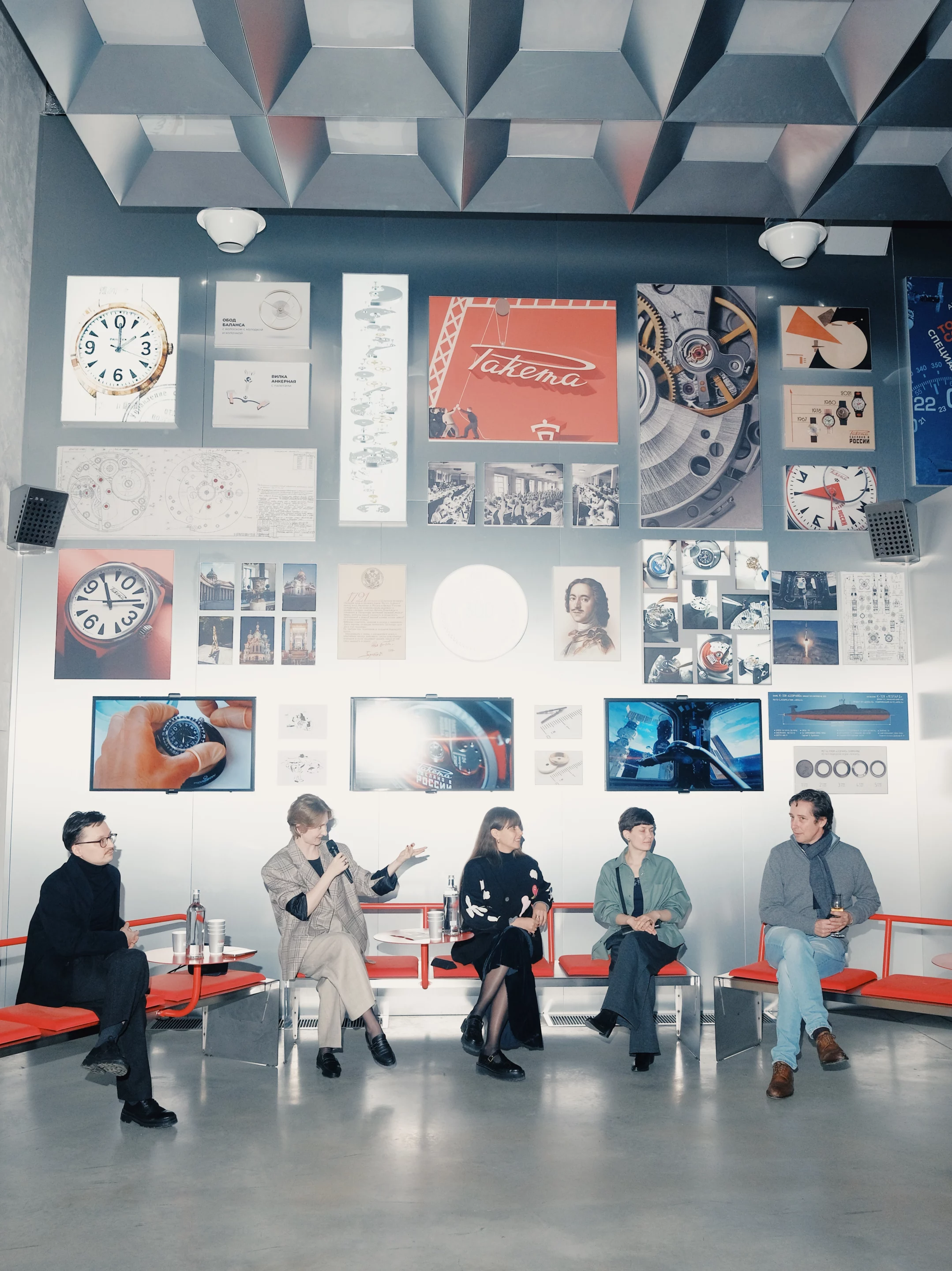
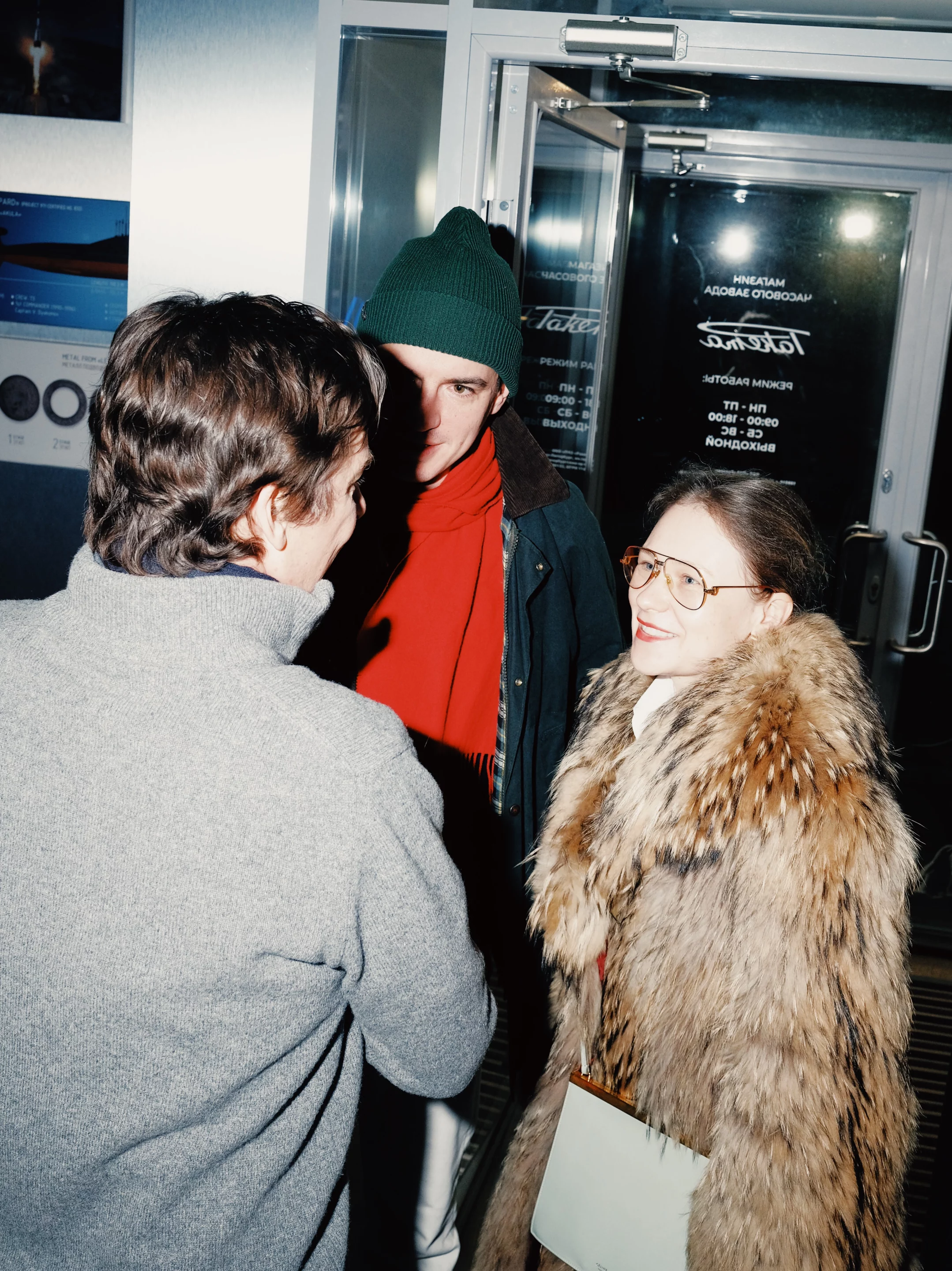
LA: It was incredible—sometimes I noticed small symbolic moments. For example, during installation, a factory tour was happening. I watched people lean in to examine the watches—and then noticed viewers doing the same thing with my drawings.
There’s something almost intimate about that shared gesture. It’s as if both watchmaking and graphic art invite the viewer’s face to come closer—almost like a kiss.
As for the partnership itself—I believe the more we’re open to new formats, the more magical combinations we create. This project is living proof of that.
YK: This project already feels unique—but perhaps it’s only the first chapter. Do you sense there are more future collaborations on the horizon? What kind of creative journey would you like to take next?
LA: Yes, this was a powerful beginning. I’d love for us to keep going.
It would be fascinating to work together on pieces that live inside everyday environments—something even more accessible to people.
For example, murals or installations that dialogue with industrial or urban spaces.
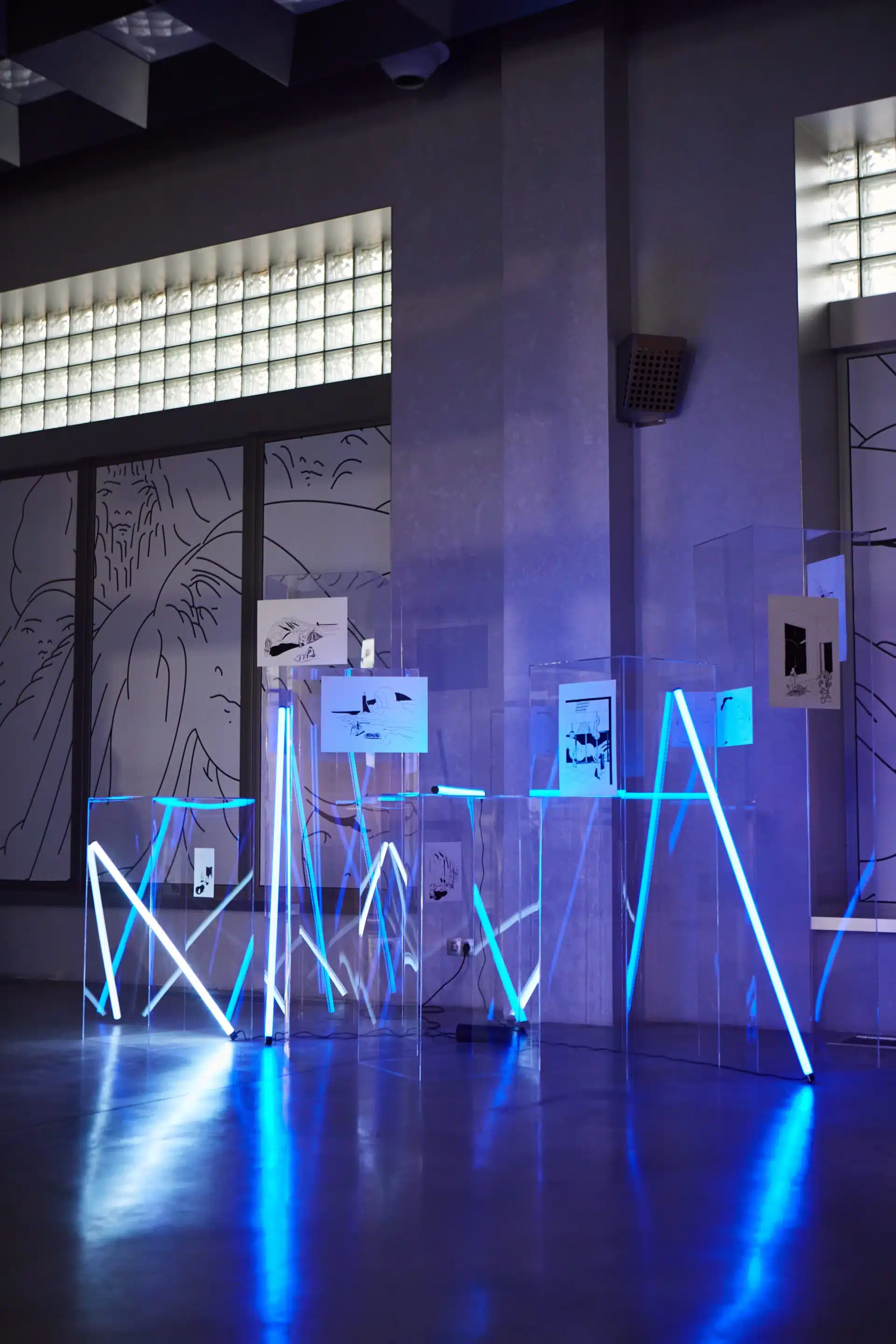
I noticed this at Raketa, when we placed the giant faces on the windows—those images watched the viewers, just as they watched the scientists in my graphics. Enlarging the scale unlocked something new. I’d love to continue this language in other locations, to expand and evolve it.
I’d also be excited to work with factories that have fine-tuned processes, bringing my lines and visions into those systems.
I believe the future of our collaboration lies in creating new forms and new worlds—where lines give birth to meaning.